

Buteyko Breathing
Also known as: Buteyko Method, Breathing Retraining, Control Pause Method
Overview
Buteyko breathing is a breathing retraining method developed in the mid-20th century by Ukrainian physician Konstantin Buteyko. The approach centers on the idea that some people habitually overbreathe—breathing more rapidly or deeply than physiologically necessary—which may contribute to symptoms such as breathlessness, chest tightness, dizziness, anxiety-related hyperventilation, and poor tolerance to exertion. Core elements typically include slower breathing, reduced breathing volume, nasal breathing, breath-hold exercises, and increased awareness of respiratory patterns.
The method is most commonly discussed in relation to asthma, where it has been studied as a non-drug adjunct intended to improve symptom perception, breathing efficiency, and quality of life. It is also frequently explored for dysfunctional breathing, anxiety-associated hyperventilation, sleep-related breathing concerns, and habitual mouth breathing. Supporters often describe Buteyko as a way to improve carbon dioxide tolerance and normalize breathing mechanics, although the exact physiological interpretation varies between traditional Buteyko teaching and mainstream respiratory medicine.
Interest in Buteyko breathing reflects a broader recognition that breathing patterns can influence the autonomic nervous system, airway sensation, stress response, and respiratory comfort. Research suggests that breathing retraining may help some individuals reduce symptom burden and improve self-management, particularly when symptoms are worsened by anxiety, upper chest breathing, or chronic mouth breathing. At the same time, Buteyko is generally viewed as a complementary technique rather than a replacement for standard medical care, especially in chronic respiratory disease.
From a public health perspective, Buteyko breathing sits at the intersection of pulmonary rehabilitation, behavioral medicine, and mind-body practice. Its popularity has grown because it is nonpharmacologic, low-cost, and teachable in outpatient or self-care settings. However, the evidence base is stronger for some outcomes than others: studies have more consistently reported improvements in symptoms, quality of life, and rescue inhaler use than in objective lung function measures such as spirometry.
Medical Perspectives
Two Ways of Seeing Health

Western
scientific · clinical
Western medicine applies science, technology, and clinical experience to treat symptoms through testing, diagnosis, and targeted intervention.

Eastern
traditional · alternative
Eastern medicine focuses on treating the body naturally by applying traditional knowledge practiced for thousands of years, emphasizing balance and whole-person wellness.
Gold Bamboo presents both perspectives side-by-side so you can make informed decisions. We don't advocate for one over the other — your health choices are yours.
Western Medicine Perspective
Western Medicine Perspective
In conventional medicine, Buteyko breathing is usually understood as a form of breathing retraining rather than a therapy that directly alters the underlying disease process. In asthma and dysfunctional breathing, clinicians may view the method as potentially helpful for reducing hyperventilation, excessive sighing, upper chest breathing, mouth breathing, and symptom amplification related to anxiety or poor respiratory habits. The emphasis on nasal breathing is also of interest because the nose helps warm, humidify, and filter inhaled air, which may be relevant for airway comfort in some individuals.
Clinical studies and systematic reviews have found that Buteyko-style interventions may improve asthma symptoms, asthma-related quality of life, and perceived control, and may reduce reliance on short-acting reliever medication in some patients. However, findings for objective pulmonary outcomes such as FEV1, peak flow, or airway inflammation are generally less robust or inconsistent. For that reason, mainstream respiratory guidelines tend to describe breathing exercises as a possible adjunctive supportive strategy, not a stand-alone treatment. In practice, Buteyko may overlap with other evidence-informed breathing programs used by respiratory physiotherapists and behavioral health clinicians.
Western medicine also considers possible application in anxiety-related hyperventilation syndrome and other forms of dysfunctional breathing. Slow, controlled nasal breathing may affect respiratory rate, vagal tone, and symptom perception, which could help reduce sensations of air hunger or panic-related overbreathing in some people. Even so, conventional care emphasizes the importance of proper diagnosis, since symptoms such as shortness of breath, wheeze, chest tightness, dizziness, or frequent sighing may also reflect conditions requiring medical evaluation. Healthcare professionals often frame breathing retraining as part of a broader care plan that may include respiratory assessment, medication management, physical therapy, and mental health support where appropriate.
Eastern & Traditional Perspective
Eastern and Traditional Medicine Perspective
Although Buteyko breathing did not originate in classical Asian medical systems, its principles resonate with longstanding traditional teachings that regard the breath as a bridge between body, mind, and vitality. In Traditional Chinese Medicine (TCM), healthy breathing is closely linked to the Lung system, the movement of qi, and the balance between effort and ease. Practices that encourage quieter, more regulated breathing are often seen as supporting the descending and dispersing functions attributed to the Lungs, while nasal breathing may be viewed as helping preserve internal balance and protect the body from external influences.
In Ayurveda, breath is associated with prana, the vital life force, and with the regulation of the nervous system through practices related to pranayama. From this perspective, habitual rapid or strained breathing may reflect dysregulation of vata or disturbance in mind-body coordination. A Buteyko-like emphasis on calmer, less erratic breathing can be interpreted as a way of cultivating steadiness, conserving energy, and supporting mental clarity. However, traditional pranayama includes a wide range of methods, and Buteyko should not be considered identical to yogic breathing systems.
In naturopathic and integrative medicine, Buteyko is often discussed alongside other mind-body and lifestyle approaches intended to improve self-regulation, stress resilience, and respiratory awareness. Practitioners may frame it as a technique for retraining dysfunctional breathing patterns rather than suppressing symptoms alone. Across these traditions, the breath is commonly seen not just as a mechanical process but as a functional expression of emotional state, posture, sleep quality, and overall vitality. Even within traditional frameworks, balanced presentation is important: persistent respiratory symptoms are generally understood to merit evaluation by qualified healthcare professionals, particularly when severe, recurrent, or unexplained.
Supplements & Products
Recommended Products
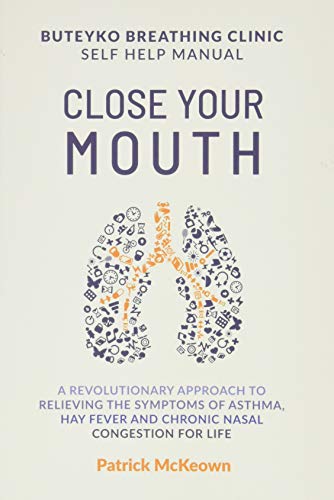
Close Your Mouth: Buteyko Clinic Handbook for Perfect Health: Patrick McKeown
The Buteyko Method can be learned by children and adults alike. It is supported by twenty clinical trials. Trial results within twelve weeks included: ✔ 70% less coughing and wheezing ✔ 90% less need
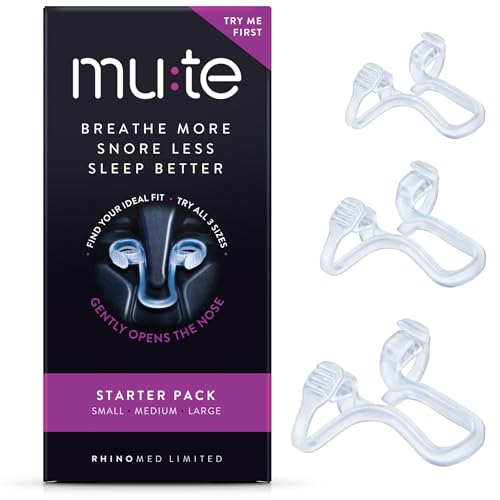
Rhinomed Mute Nasal Dilator Snoring Solution | Starter Pack | Snore Less & Sleep Better | Nasal Strip Alternative | Comfortable Breathing Aids for Better Sleep & Improved Airflow
By increasing the volume of air travelling through the nose and making nasal breathing easier, Mute may alleviate the incidence and severity of snoring. Mute comes in three sizes and has adjustable pa
Evidence & Sources
Promising research with growing clinical support from multiple studies
- Cochrane Database of Systematic Reviews
- Global Initiative for Asthma (GINA)
- National Center for Complementary and Integrative Health (NCCIH)
- BMC Pulmonary Medicine
- Thorax
- Journal of Asthma
- British Thoracic Society
- Physiotherapy Theory and Practice
This content is for informational purposes only and does not constitute medical advice. Always consult a qualified healthcare provider before starting, stopping, or changing any supplement or medication regimen.