

Box Breathing
Also known as: square breathing, four-square breathing
Box Breathing Overview
Box breathing is a structured breathing practice in which inhalation, breath retention, exhalation, and a second pause are performed for equal counts, often in a four-part rhythm. It is widely used as a mind-body regulation technique intended to support calm attention, emotional steadiness, and stress reduction. The method is simple, requires no equipment, and is commonly taught in settings ranging from mindfulness programs and yoga instruction to performance training and resilience education.
From a physiological perspective, slow and deliberate breathing practices may influence the autonomic nervous system, the network involved in heart rate, stress responses, and relaxation. Research on slow breathing more broadly suggests that controlled breath patterns can affect heart rate variability, perceived stress, and feelings of anxiety or tension. Box breathing belongs to this larger family of paced breathing techniques, though it is somewhat more specific because it includes brief breath holds between inhalation and exhalation.
Interest in box breathing has grown because stress-related symptoms are common across the general population and in high-demand environments. Controlled breathing practices are often discussed as low-cost, accessible tools that may complement broader approaches to mental wellness, performance, and self-regulation. At the same time, effects can vary by person, and breathwork is best understood as a supportive practice rather than a replacement for professional care when significant anxiety, panic, trauma-related symptoms, respiratory illness, or cardiovascular concerns are present.
In integrative health contexts, box breathing is often framed as a bridge between mental focus and bodily regulation. Conventional medicine tends to describe it in terms of stress physiology and nervous system balance, while traditional systems may interpret it through concepts such as life force, prana, qi, grounding, and disciplined attention. Across these frameworks, the central theme is similar: breathing patterns can shape internal state, and intentional breath control may help cultivate steadiness.
Medical Perspectives
Two Ways of Seeing Health

Western
scientific · clinical
Western medicine applies science, technology, and clinical experience to treat symptoms through testing, diagnosis, and targeted intervention.

Eastern
traditional · alternative
Eastern medicine focuses on treating the body naturally by applying traditional knowledge practiced for thousands of years, emphasizing balance and whole-person wellness.
Gold Bamboo presents both perspectives side-by-side so you can make informed decisions. We don't advocate for one over the other — your health choices are yours.
Western Medicine Perspective
Western / Conventional Medicine Perspective
In conventional medicine, box breathing is generally viewed as a form of paced respiration or slow breathing that may help modulate stress reactivity. Breathing has direct connections to the autonomic nervous system, and slower respiratory rates are associated in some studies with improved parasympathetic activity, changes in heart rate variability, and reductions in subjective stress. Researchers have examined related practices in the context of anxiety, hypertension, insomnia, resilience training, and emotional regulation, though the evidence base is usually stronger for slow breathing in general than for box breathing specifically.
Clinical and behavioral science literature suggests that controlled breathing may work through several overlapping mechanisms: enhanced interoceptive awareness, attentional anchoring, reduced respiratory overarousal, and altered vagal signaling. Some studies indicate that slow breathing practices can reduce symptoms of anxiety and improve physiological markers linked to stress response. However, outcomes depend on factors such as breathing rate, duration, baseline health status, and whether the breathing is paired with meditation, biofeedback, or psychotherapy. Because of these variables, conventional medicine typically treats box breathing as a supportive self-regulation technique rather than a stand-alone medical intervention.
There are also important caveats. Breath retention may be uncomfortable for some individuals, particularly those with panic disorder, asthma, chronic obstructive pulmonary disease, pregnancy-related concerns, or certain cardiovascular conditions. In these contexts, breathing exercises may need to be modified or supervised by a qualified clinician. From a medical standpoint, box breathing is most often discussed as part of a broader toolkit for stress management, alongside psychotherapy, sleep support, exercise, and treatment of any underlying medical or mental health condition.
Eastern & Traditional Perspective
Eastern / Traditional Medicine Perspective
In Traditional Chinese Medicine (TCM) and related East Asian practices, breath is closely tied to the movement of qi, mental calm, and the functional balance of body systems. Although “box breathing” is a modern term rather than a classical TCM formula, the broader principle of regulating the breath to settle the mind and harmonize internal rhythms is deeply consistent with qigong, meditation, and Daoist breathing traditions. Slow, even breathing is traditionally associated with helping quiet agitation, support centered awareness, and encourage smoother energetic flow.
In Ayurveda and yogic traditions, box breathing resembles aspects of pranayama, especially practices that emphasize measured inhalation, exhalation, and pauses between them. Breath retention, known as kumbhaka, has long been described as a way to cultivate focus and regulate prana, though traditional teachings often place strong emphasis on preparation, posture, and individual constitution. Within this framework, structured breathing may be seen as supportive for balancing an overactive stress state, steadying attention, and promoting a more grounded mind-body connection.
Naturopathic and integrative traditions often adopt both physiological and traditional explanations, describing box breathing as a way to encourage relaxation while also supporting self-awareness and resilience. These systems generally present breathwork as part of a wider lifestyle context that may include sleep hygiene, movement, meditation, nutrition, and individualized assessment. As with conventional care, traditional practitioners often note that breath practices are not one-size-fits-all and may need adaptation for people with trauma histories, dizziness, respiratory sensitivity, or significant anxiety.
Supplements & Products
Recommended Products
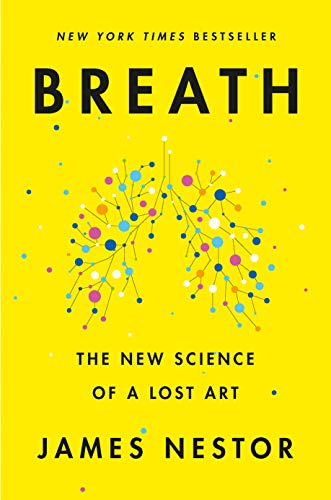
Breath: The New Science of a Lost Art: Nestor, James
Yet, as a species, humans have lost the ability to breathe correctly, with grave consequences. <strong>Journalist James Nestor travels the world to figure out what went wrong and how to fix it</strong
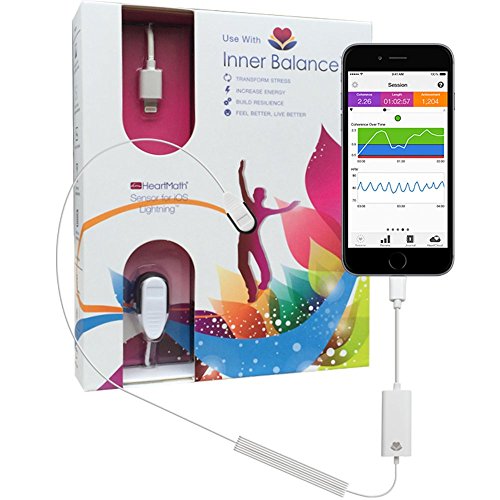
HeartMath Inner Balance Lightning
Research shows that when we are ... improved cognitive function. Inner Balance <strong>uses HeartMath's patented technology to monitor the subtle beat-to-beat changes in your heart rhythms</stron

RESPeRATE Ultra Blood Pressure Lowering Device - Doctor Recommended Non-Drug Medical Device - Clinically Proven to Lower Blood Pressure Naturally - Just 15 Minutes a Day
Clinical studies have shown that RESPeRATE delivers significant blood pressure reductions when it is used for 15 minutes at a time, at least four times per week, to attain 40 or more minutes per week
Evidence & Sources
Promising research with growing clinical support from multiple studies
- NCCIH (National Center for Complementary and Integrative Health)
- Frontiers in Human Neuroscience
- Frontiers in Psychology
- Journal of Clinical Medicine
- Harvard Health Publishing
- American Institute of Stress
- International Journal of Psychophysiology
- NIH (National Institutes of Health)
This content is for informational purposes only and does not constitute medical advice. Always consult a qualified healthcare provider before starting, stopping, or changing any supplement or medication regimen.