

Adrenal Recovery Protocol
Also known as: adrenal support, adrenal fatigue recovery
Adrenal Recovery Protocol: What the Term Usually Means
The phrase "adrenal recovery protocol" is widely used in integrative, wellness, and functional health settings to describe a group of lifestyle, nutrition, stress-reduction, and sometimes supplement-based strategies intended to support people experiencing stress-related fatigue, poor resilience, sleep disruption, and burnout-like symptoms. The concept is often linked to the popular term "adrenal fatigue," which is commonly used outside conventional medicine to describe a pattern of low energy, feeling "wired but tired," difficulty waking, afternoon crashes, sugar or salt cravings, and reduced stress tolerance. Importantly, this lay concept is not recognized as an established medical diagnosis in mainstream endocrinology, where adrenal disorders are defined more specifically, such as adrenal insufficiency, Addison's disease, Cushing syndrome, or disorders of cortisol production and regulation.
In practical use, an adrenal recovery protocol usually focuses on reducing allostatic load—the cumulative physiological burden of chronic stress—rather than literally repairing structurally damaged adrenal glands in most otherwise healthy people. These protocols often include attention to sleep regularity, circadian rhythm support, balanced meals, avoidance of overtraining, moderate physical activity, mind-body practices, and review of stimulant use such as excessive caffeine. Some versions also incorporate adaptogenic herbs, micronutrients, and restorative routines designed to improve perceived energy and recovery capacity.
From a broader health perspective, symptoms often attributed to "adrenal issues" can overlap with many other conditions, including sleep disorders, depression, anxiety, thyroid disease, iron deficiency, post-viral syndromes, medication effects, overwork, chronic pain, and true endocrine disease. For that reason, a balanced discussion of adrenal recovery must distinguish between stress physiology, which is real and clinically relevant, and the unsupported claim that most persistent fatigue is caused by a medically undetectable failure of the adrenal glands. Research suggests that chronic stress can affect the hypothalamic-pituitary-adrenal (HPA) axis, autonomic nervous system function, sleep architecture, inflammation, and metabolic regulation, but findings are often complex and do not map neatly onto the popular adrenal fatigue narrative.
As a treatment category, adrenal recovery protocols are best understood as supportive, stress-regulation-oriented frameworks rather than a single standardized therapy. Some elements—especially sleep optimization, stress management, exercise calibration, and nutrition—are consistent with both conventional preventive medicine and traditional healing systems. Other components, particularly certain supplement regimens or hormone-related claims, remain controversial or insufficiently studied. Because serious fatigue can have many causes, healthcare evaluation is important when symptoms are persistent, worsening, or accompanied by warning signs such as weight loss, fainting, severe weakness, low blood pressure, abnormal pigmentation, or electrolyte abnormalities.
Medical Perspectives
Two Ways of Seeing Health

Western
scientific · clinical
Western medicine applies science, technology, and clinical experience to treat symptoms through testing, diagnosis, and targeted intervention.

Eastern
traditional · alternative
Eastern medicine focuses on treating the body naturally by applying traditional knowledge practiced for thousands of years, emphasizing balance and whole-person wellness.
Gold Bamboo presents both perspectives side-by-side so you can make informed decisions. We don't advocate for one over the other — your health choices are yours.
Western Medicine Perspective
Western / Conventional Medicine Perspective
In conventional medicine, the adrenal glands are understood through clearly defined endocrine pathways. The adrenal cortex produces cortisol, aldosterone, and adrenal androgens, while the adrenal medulla produces catecholamines such as epinephrine. When clinicians evaluate suspected adrenal dysfunction, they look for recognizable disorders such as primary adrenal insufficiency, secondary adrenal insufficiency, congenital adrenal hyperplasia, hyperaldosteronism, pheochromocytoma, or Cushing syndrome. By contrast, major endocrine societies have stated that "adrenal fatigue" lacks sufficient scientific basis as a medical diagnosis. Reviews of the literature have found no consistent biomarker pattern proving that chronic everyday stress causes a distinct syndrome of adrenal gland failure in the way popular wellness language often suggests.
That said, conventional medicine does recognize that chronic stress, sleep loss, trauma exposure, shift work, mood disorders, and medical illness can profoundly affect energy, cognition, and perceived resilience. Research on the HPA axis, circadian biology, and allostatic load suggests that stress-related fatigue may involve dysregulation across multiple systems rather than a single adrenal problem. For example, studies indicate that poor sleep and chronic stress can alter cortisol rhythms, autonomic balance, inflammatory signaling, and glucose regulation. In this framework, an "adrenal recovery protocol" overlaps with evidence-informed measures aimed at restoring sleep, reducing stress burden, screening for contributing illness, and rebuilding sustainable daily rhythms.
Conventional care would generally approach these symptoms by first considering differential diagnosis rather than assuming adrenal dysfunction. Evaluation may include assessment for anemia, thyroid disorders, sleep apnea, depression, anxiety, medication side effects, infection, metabolic disease, nutritional deficiencies, and true adrenal insufficiency when clinically indicated. Supportive strategies often emphasize sleep hygiene, treatment of underlying conditions, appropriately dosed physical activity, psychological support, and nutrition counseling. Evidence for supplements marketed specifically for "adrenal recovery" is mixed, and hormone products or glandular extracts may raise safety concerns, especially if they contain undisclosed steroids or interfere with endocrine testing.
Overall, the western perspective is that stress-related fatigue is real, but the label "adrenal fatigue" is not well supported. The most credible parts of an adrenal recovery protocol are those that align with established principles of stress medicine, behavioral health, lifestyle medicine, and endocrine evaluation, while claims of direct adrenal repair or diagnosis by nonspecific symptoms alone are viewed cautiously.
Eastern & Traditional Perspective
Eastern / Traditional Medicine Perspective
In Traditional Chinese Medicine (TCM), symptoms associated with so-called adrenal depletion may be interpreted through patterns such as Kidney deficiency, Spleen qi deficiency, Heart-Spleen imbalance, Liver qi stagnation, or disruption of the body's capacity to adapt to prolonged strain. Although TCM does not describe the adrenal glands in modern anatomical terms, it has long framed chronic exhaustion, weak recovery, poor stress tolerance, insomnia, and depleted vitality as signs of imbalance in the body's foundational energy systems. Treatment principles traditionally focus on nourishing deficiency, calming the shen, supporting digestion, regulating stress responses, and restoring rhythmic balance through herbal formulas, acupuncture, breathwork, sleep regularity, and food therapy.
In Ayurveda, comparable presentations are often understood through the lens of stress-induced dysregulation of doshas, especially aggravation of Vata, depletion of ojas, impaired restorative capacity, and sometimes digestive imbalance affecting overall vitality. Ayurvedic approaches traditionally emphasize daily routine (dinacharya), restorative sleep, gentler movement, meditation, oil massage, digestive support, and rasayana herbs associated with resilience and recovery. Rather than isolating one gland, Ayurveda generally interprets fatigue and burnout as systemic disturbances in adaptation, nourishment, and nervous system steadiness.
In naturopathic and integrative medicine, the term "adrenal support" is often used more directly. These systems frequently combine modern stress physiology concepts with traditional tools such as adaptogenic herbs—for example, ashwagandha, rhodiola, eleuthero, or licorice in selected contexts—alongside nutrient repletion, meal timing, circadian stabilization, and stress-management practices. Research on some adaptogens is promising but variable in quality; studies suggest possible effects on perceived stress, fatigue, and sleep quality, yet results are not uniform and mechanisms remain under investigation.
The eastern and traditional perspective generally places greater emphasis on patterns of depletion and recovery than on laboratory confirmation of a single endocrine diagnosis. This can offer a useful framework for understanding the cumulative effects of overwork, irregular routines, emotional stress, and insufficient restoration. At the same time, traditional systems also benefit from collaboration with conventional care when symptoms could reflect serious medical disorders requiring formal evaluation.
Supplements & Products
Recommended Products

The Adrenal Thyroid Revolution: A Proven 4-Week Program to Rescue Your Metabolism, Hormones, Mind & Mood: Aviva Romm
The Adrenal Thyroid Revolution <strong>explains SOS, how it impacts our bodies and can lead to illness, and most importantly, offers a drug-free cure developed through Dr.</strong> Romms research and
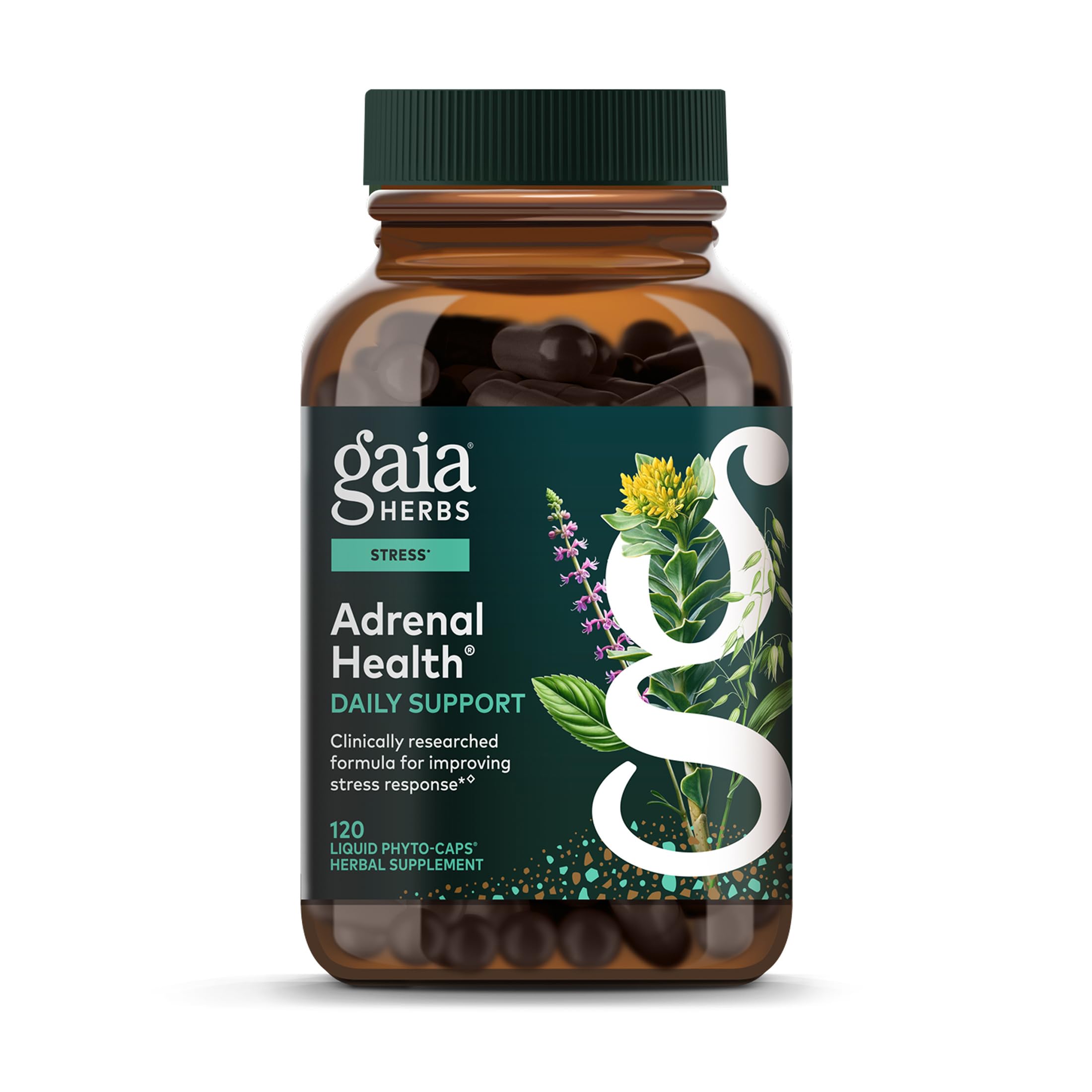
Gaia Herbs Adrenal Health Daily Support - Herbal Supplement with Ashwagandha, Holy Basil & Schisandra - Help Maintain Healthy Energy & Stress Levels* - 60 Vegan Liquid Phyto-Caps (30 Servings)
Supports Healthy Stress Response: <strong>A clinically studied blend of adaptogenic herbs, like ashwagandha, holy basil, Rhodiola rosea, and schisandra</strong>, that support your adrenal glands, whic
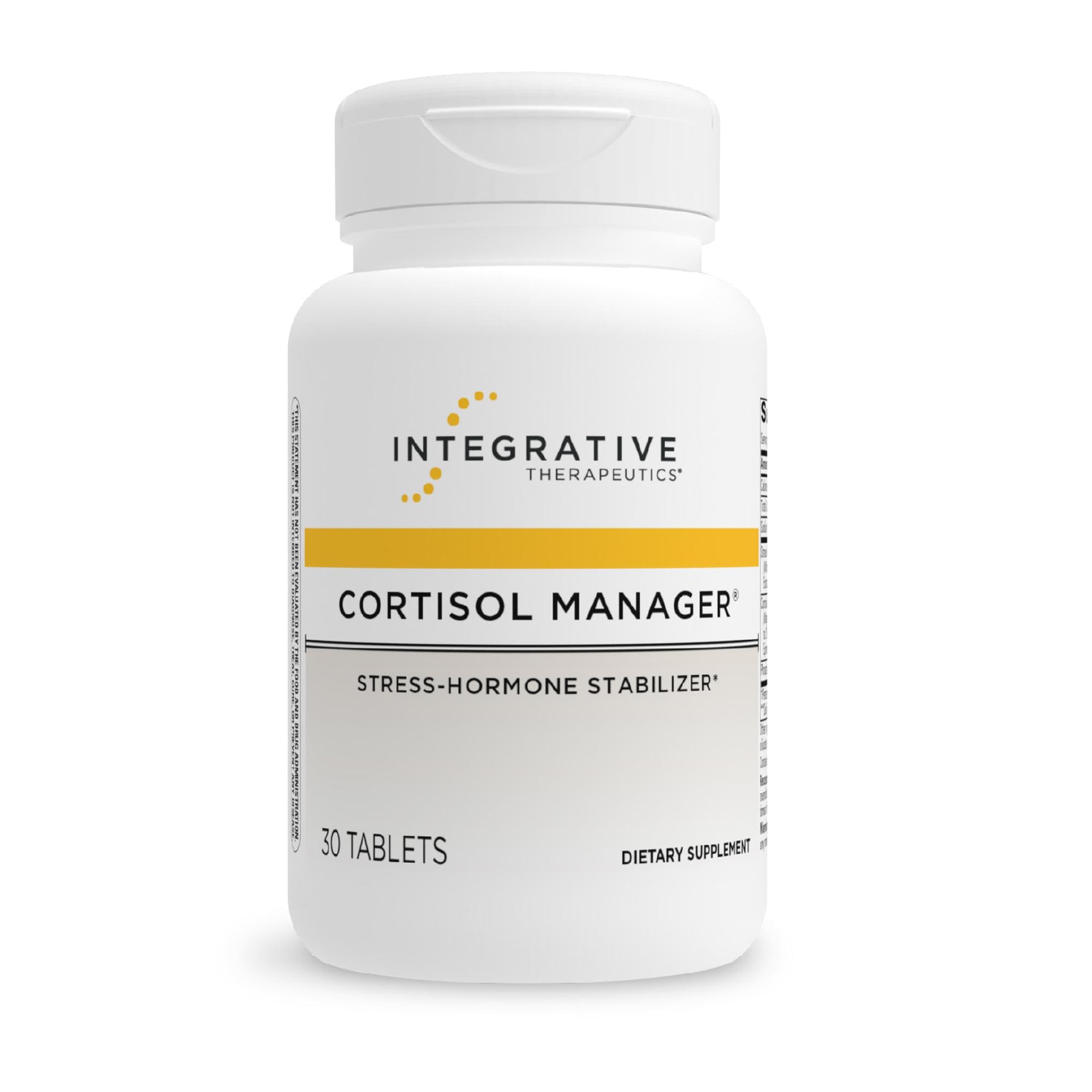
Integrative Therapeutics Cortisol Manager - Balance Cortisol & Support Relaxation for Restful Sleep* - Includes Ashwagandha & L-Theanine for Confidence with Less Stress* - 30 Tablets (15 Servings)
Our best-selling Cortisol Manager <strong>contains proprietary blends of Sensoril brand ashwagandha extract and L-theanine and of Magnolia and epimedium extracts, as well as phosphatidylserine</strong
Evidence & Sources
Promising research with growing clinical support from multiple studies
- Endocrine Society
- BMC Endocrine Disorders
- National Center for Complementary and Integrative Health (NCCIH)
- National Institute of Diabetes and Digestive and Kidney Diseases (NIDDK)
- World Health Organization
- Journal of Clinical Endocrinology & Metabolism
- Psychoneuroendocrinology
- Frontiers in Endocrinology
This content is for informational purposes only and does not constitute medical advice. Always consult a qualified healthcare provider before starting, stopping, or changing any supplement or medication regimen.