

Toxic Elements Test
Also known as: Heavy Metal Test, Toxic Metal Panel, Elemental Toxicity Test
Overview
A toxic elements test refers to laboratory assessment used to evaluate exposure to potentially harmful metals and related elements, most commonly lead, mercury, arsenic, and cadmium, and in some settings additional industrial or environmental contaminants. Depending on the clinical question, testing may be performed on blood, urine, hair, nails, or other specimens. In conventional care, these tests are primarily used to identify significant exposure or poisoning, monitor known occupational or environmental risk, or follow response after exposure reduction. In integrative and alternative medicine, toxic elements testing is also frequently discussed in relation to environmental illness, chronic fatigue, neurological symptoms, immune dysregulation, and “detoxification” concerns.
Interest in toxic elements arises from the fact that many of these substances can affect multiple body systems. Research has linked excessive exposure to certain metals with effects on the nervous system, kidneys, cardiovascular system, endocrine function, and child development. The health impact depends on the type of element, dose, timing, duration of exposure, age, nutritional status, and individual susceptibility. Some exposures are acute and obvious, while others are chronic and low-level, coming from sources such as contaminated water, older paint, certain occupations, cigarette smoke, seafood, herbal products, cookware, cosmetics, or industrial pollution.
A major point of confusion is that not all toxic elements tests measure the same thing, and abnormal findings do not always mean active toxicity. For example, blood testing often reflects more recent exposure for some metals, while urine testing may reflect excretion patterns and can be useful for selected substances. Hair mineral analysis is widely marketed in wellness settings, but interpretation remains controversial because results can be affected by external contamination, laboratory variation, and uncertainty about how well hair levels reflect body burden for many elements. Similarly, so-called provoked urine testing performed after chelation or mobilizing agents is heavily debated and is not broadly accepted as a standard diagnostic method in mainstream medicine.
Because of these limitations, the significance of a toxic elements test depends heavily on clinical context, exposure history, symptoms, specimen type, laboratory quality, and reference standards. In both conventional and complementary settings, the topic sits at the intersection of environmental health and chronic symptom evaluation. It is best understood as a tool that may help clarify exposure in selected situations, rather than a standalone measure of overall health or detoxification status. Consultation with qualified healthcare professionals is important when interpreting results, especially when symptoms are nonspecific or when testing is being considered outside established exposure scenarios.
Medical Perspectives
Two Ways of Seeing Health

Western
scientific · clinical
Western medicine applies science, technology, and clinical experience to treat symptoms through testing, diagnosis, and targeted intervention.

Eastern
traditional · alternative
Eastern medicine focuses on treating the body naturally by applying traditional knowledge practiced for thousands of years, emphasizing balance and whole-person wellness.
Gold Bamboo presents both perspectives side-by-side so you can make informed decisions. We don't advocate for one over the other — your health choices are yours.
Western Medicine Perspective
Western Medicine Perspective
In conventional medicine, toxic elements testing is grounded in toxicology, occupational medicine, pediatrics, nephrology, and environmental health. The central question is whether a person has had enough exposure to a specific substance to create measurable risk or toxicity. Clinicians typically begin with an exposure history—including work, hobbies, housing, drinking water, diet, travel, use of imported remedies, and potential industrial contact—then choose the most appropriate test. For example, blood lead testing is well established, particularly in children and in public health screening. Blood mercury, urine arsenic, and other targeted assays may be used depending on the suspected source and timing of exposure.
Conventional interpretation emphasizes that validated testing differs by metal. Blood and urine assays performed by certified laboratories are generally the most accepted when clinically indicated. Hair and nail testing may have niche research or forensic roles, but are not universally considered reliable for diagnosing toxicity in routine practice. Mainstream medical organizations have also expressed concern about non-standardized test interpretation, especially when results are used to explain broad symptom clusters without a clear exposure basis. Studies indicate that low-level environmental exposure can still matter, particularly in children, pregnancy, and occupational settings, but the relationship between test values and symptoms is often complex.
From a conventional standpoint, toxic elements tests are most useful when they help answer a defined question: Is there meaningful exposure? Is urgent intervention needed? Is public health action warranted? They are less useful as broad screening tools for every patient with fatigue, brain fog, or chronic inflammatory complaints unless the history suggests plausible exposure. Mainstream care also recognizes that reducing environmental toxic burden is important, but it generally separates documented toxic exposure from broader wellness concepts of “detox.” Any interpretation of results is ideally integrated with symptoms, exam findings, environmental investigation, and, when relevant, repeat confirmatory testing.
Eastern & Traditional Perspective
Eastern/Traditional Medicine Perspective
Traditional and integrative systems generally do not frame health in terms of modern laboratory toxicology alone, yet many have long recognized the idea that environmental burdens, impurities, and cumulative exposures can disturb systemic balance. In Traditional Chinese Medicine (TCM), symptoms that some people associate with toxic burden may be described through patterns such as dampness, heat, phlegm accumulation, qi stagnation, or impairment of the Lung, Spleen, Liver, and Kidney systems. Rather than defining illness solely by a metal level, TCM often evaluates how exposures may contribute to fatigue, cognitive clouding, headaches, skin changes, or digestive dysfunction within an overall pattern-based assessment.
In Ayurveda, environmental toxicity is sometimes discussed through concepts such as ama (metabolic or digestive residue), impaired agni (digestive/metabolic fire), and disturbance of the doshas. Although these frameworks are not direct equivalents to lead, mercury, or arsenic toxicology, they reflect a traditional understanding that accumulated burdens from food, environment, and lifestyle may influence vitality and resilience. Naturopathic and functional approaches similarly often consider toxic elements testing as one part of a larger picture involving detoxification pathways, nutrient status, elimination, oxidative stress, and environmental exposures.
Within these traditions, testing may be viewed as a modern tool that can complement older diagnostic frameworks, particularly when there is concern about chronic low-level exposure. At the same time, traditional systems tend to place strong emphasis on the terrain of the individual—digestion, elimination, constitutional susceptibility, stress, and restorative capacity—rather than on laboratory values alone. From an evidence standpoint, these interpretations are more philosophic and system-based than standardized biomedical toxicology. For that reason, balanced integrative care often treats toxic elements data as contextual information, to be interpreted cautiously and alongside conventional medical assessment, especially when serious exposure is suspected.
Supplements & Products
Recommended Products
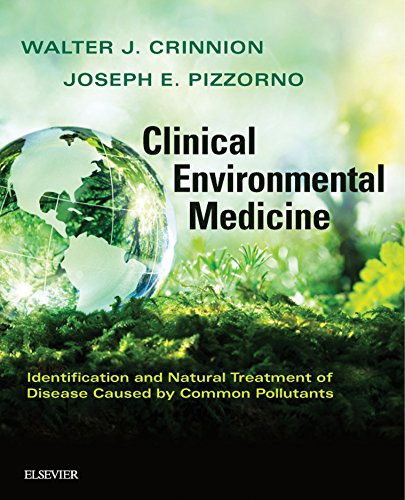
Clinical Environmental Medicine: Identification and Natural Treatment of Diseases Caused by Common Pollutants 1, Crinnion, Walter J., Pizzorno ND, Joseph E. - Amazon.com
The first edition of this text ... authors Walter Crinnion and Joseph E. Pizzorno offer <strong>practical guidance for assessing both total body load as well as specific toxins</strong>....

Safe Home® Lead in Drinking Water Test Kit – 1 Sample Tested at Our EPA Certified Lab – Home Inspections, Mortgage Loans, Real Estate Transactions – Detection to 1ppb
HEAVY METALS Drinking Water Test ... BRAND of water test kits to earn Good Housekeeping Seal. <strong>Named as the #1 Lead in Water Test Kit by Popular Mechanics Magazine</strong>....
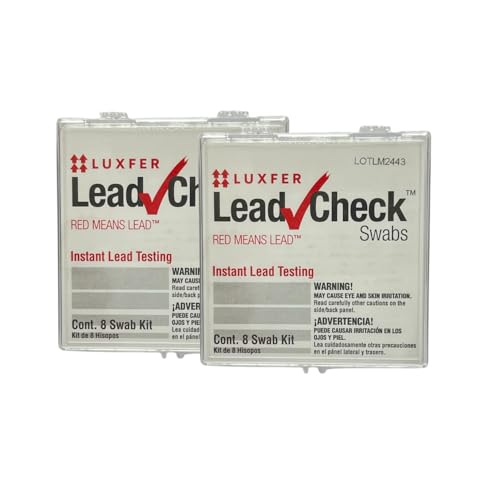
LeadCheck Swabs, Instant Lead Test, 8-Pack : Industrial & Scientific
Before testing painted areas for lead, prepare the surface by following these steps: Each 3M LeadCheck Swab <strong>contains two crushable vials, one with a lead-reactive dye, the other with a pre-mea
Evidence & Sources
Promising research with growing clinical support from multiple studies
- Centers for Disease Control and Prevention (CDC)
- Agency for Toxic Substances and Disease Registry (ATSDR)
- World Health Organization (WHO)
- National Institute of Environmental Health Sciences (NIEHS)
- National Center for Complementary and Integrative Health (NCCIH)
- American College of Medical Toxicology (ACMT)
- Environmental Protection Agency (EPA)
- The New England Journal of Medicine
This content is for informational purposes only and does not constitute medical advice. Always consult a qualified healthcare provider before starting, stopping, or changing any supplement or medication regimen.