

Thyroid Peroxidase Antibodies
Also known as: TPO Antibodies, TPOAb, Thyroid Antibodies
Overview
Thyroid peroxidase antibodies (TPO antibodies, or TPOAb) are immune proteins directed against thyroid peroxidase, an enzyme the thyroid gland uses to help produce thyroid hormones. This lab test is primarily used to evaluate whether autoimmune thyroid activity may be contributing to abnormal thyroid function, thyroid enlargement, or symptoms such as fatigue, cold intolerance, hair changes, constipation, or fluctuating thyroid-related lab results. Elevated TPO antibodies are most commonly associated with Hashimoto’s thyroiditis, but they may also appear in Graves’ disease, postpartum thyroid dysfunction, and in some people who still have thyroid hormone levels within the normal range.
Clinically, TPO antibodies matter because they can identify an immune-mediated process even before clear hypothyroidism develops. Studies indicate that individuals with positive TPO antibodies have a higher likelihood of progressing to overt thyroid dysfunction over time, especially when thyroid-stimulating hormone (TSH) is also abnormal. For this reason, the test is often interpreted alongside TSH, free T4, and sometimes free T3 or thyroglobulin antibodies, rather than in isolation.
TPO antibody testing is also relevant because autoimmune thyroid disease is common, particularly in women, and can overlap with other autoimmune conditions. Research suggests that positive TPO antibodies are more frequently seen in people with a personal or family history of autoimmune disorders, and they may be detected during evaluation of infertility, recurrent pregnancy loss, postpartum symptoms, or unexplained goiter. However, a positive result does not always mean active disease requiring intervention, and antibody levels do not always correlate closely with symptom severity.
From an integrative medicine perspective, this test is often discussed in the context of early detection, immune balance, and whole-person assessment. Patients may seek it when standard thyroid screening appears inconsistent with symptoms, or when thyroid labs fluctuate over time. Even so, interpretation is nuanced and typically benefits from review by a qualified healthcare professional, since antibody positivity is only one part of the broader thyroid and immune picture.
Medical Perspectives
Two Ways of Seeing Health

Western
scientific · clinical
Western medicine applies science, technology, and clinical experience to treat symptoms through testing, diagnosis, and targeted intervention.

Eastern
traditional · alternative
Eastern medicine focuses on treating the body naturally by applying traditional knowledge practiced for thousands of years, emphasizing balance and whole-person wellness.
Gold Bamboo presents both perspectives side-by-side so you can make informed decisions. We don't advocate for one over the other — your health choices are yours.
Western Medicine Perspective
Western Medicine Perspective
In conventional medicine, TPO antibody testing is considered a valuable tool for identifying autoimmune thyroiditis. Thyroid peroxidase is a normal enzyme involved in iodination and thyroid hormone synthesis; when the immune system targets this enzyme, it can contribute to thyroid inflammation and gradual gland dysfunction. The test is most often used when clinicians suspect Hashimoto’s thyroiditis, the leading cause of hypothyroidism in iodine-sufficient regions, or when clarifying the cause of goiter, subclinical hypothyroidism, or variable thyroid function tests.
Western medicine generally interprets TPO antibodies in the context of other findings rather than as a stand-alone diagnosis. A positive TPOAb result may support autoimmune thyroid disease in someone with elevated TSH or low free T4, but positive antibodies can also be found in a subset of otherwise healthy individuals. In pregnancy and postpartum care, TPO antibodies have drawn particular attention because studies suggest associations with increased risk of postpartum thyroiditis and a higher likelihood of future thyroid dysfunction. Some guidelines also discuss TPOAb status when assessing people with subclinical hypothyroidism, infertility evaluation, or other autoimmune conditions.
Importantly, conventional care emphasizes that the presence of antibodies is not identical to thyroid hormone deficiency. Many patients with positive TPO antibodies remain euthyroid for years, while others progress gradually. Antibody titers may help confirm an autoimmune process, but serial measurement is not always considered the central marker of disease status; functional markers such as TSH and free thyroid hormones are often more clinically actionable. Overall, Western medicine views this test as a useful diagnostic and prognostic marker, especially when interpreted with symptoms, physical exam findings, imaging when indicated, and broader endocrine history.
Eastern & Traditional Perspective
Eastern and Traditional Medicine Perspective
Traditional medical systems do not define illness through antibody biomarkers in the same way modern laboratory medicine does, so TPO antibodies are not a traditional diagnostic category in systems such as Traditional Chinese Medicine (TCM) or Ayurveda. Instead, practitioners typically view thyroid-related symptoms through broader patterns of imbalance. In TCM, presentations that overlap with autoimmune thyroid conditions may be understood through patterns involving phlegm accumulation, qi deficiency, yang deficiency, liver qi stagnation, or blood stasis, depending on whether symptoms center on fatigue, swelling, coldness, mood shifts, or neck fullness.
In Ayurveda, symptoms associated with low or fluctuating thyroid function may be interpreted through disturbances in agni (metabolic fire), ama (accumulated metabolic waste), and doshic imbalance, often involving kapha and vata patterns. Naturopathic and integrative frameworks may discuss TPO antibodies as a sign of immune dysregulation, using the test as one piece of a larger assessment that includes digestion, stress burden, sleep, nutrient status, inflammatory load, and environmental exposures. These systems often place emphasis on identifying contributors that may influence overall resilience, though the strength of evidence for many traditional interventions varies considerably.
An integrative interpretation generally treats TPO antibodies as a bridge marker between conventional diagnostics and whole-systems thinking. The laboratory value may help confirm that symptoms are occurring in an autoimmune context, while traditional models attempt to characterize the person’s broader constitutional pattern. However, evidence for using TPO antibody levels to monitor response to traditional therapies remains limited and inconsistent, so most responsible integrative discussions frame the test as informative rather than definitive. Collaboration with licensed healthcare professionals is important, particularly because autoimmune thyroid disease can evolve over time and may require conventional monitoring.
Supplements & Products
Recommended Products
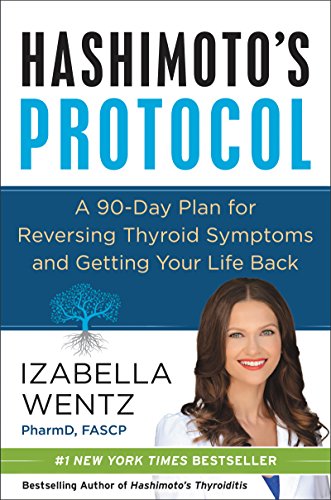
Hashimoto's Thyroiditis: Lifestyle Interventions for Finding and Treating the Root Cause
Izabella Wentz, Pharm.D., FASCP is <strong>a pharmacist, Hashimoto's patient and pioneer in lifestyle interventions for Hashimoto's Thyroiditis</strong>. She has summarized three years of re
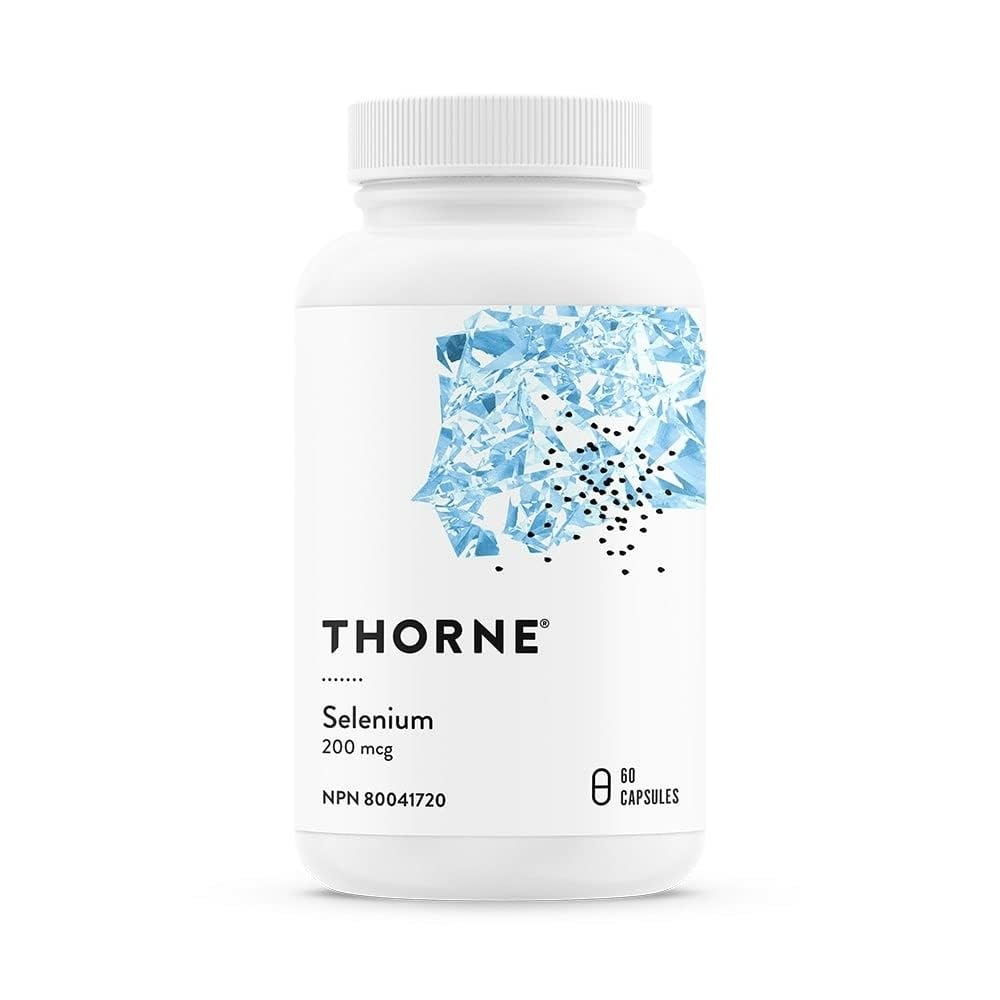
THORNE - Selenium - 200 mcg Selenium Supplement for Antioxidant Support* - 60 Capsules : Everything Else
One Capsule Contains: Selenium (as L-Selenomethionine) 200 mcg.

Everlywell at
... AT-HOME LAB TESTING: <strong>This easy-to-use, at-home lab test collection kit helps you measure your levels for the 3 main thyroid hormones (TSH, Free T3, and Free T4) plus thyroid antibodies (TP
Evidence & Sources
Supported by multiple clinical trials and systematic reviews
- American Thyroid Association
- National Institute of Diabetes and Digestive and Kidney Diseases (NIDDK)
- National Academy of Clinical Biochemistry / Clinical practice literature on thyroid testing
- The Journal of Clinical Endocrinology & Metabolism
- Thyroid
- American Association of Clinical Endocrinology (AACE)
- European Thyroid Association
- NCCIH
This content is for informational purposes only and does not constitute medical advice. Always consult a qualified healthcare provider before starting, stopping, or changing any supplement or medication regimen.