

Thyroid Panel
Also known as: Thyroid Function Test, TFT, Thyroid Test
Overview
A thyroid panel is a group of laboratory tests used to evaluate how well the thyroid gland is functioning. The thyroid, a small butterfly-shaped gland in the neck, helps regulate metabolism, energy production, temperature balance, heart rate, growth, and many hormonal processes throughout the body. Because thyroid hormones influence many organ systems, abnormalities can present with a wide range of symptoms, including fatigue, weight changes, palpitations, mood changes, menstrual irregularities, bowel changes, and altered tolerance to heat or cold. A thyroid panel is therefore a central tool in the assessment of both suspected thyroid disease and ongoing monitoring of known thyroid conditions.
The specific tests included can vary by laboratory and clinical context, but a thyroid panel commonly includes thyroid-stimulating hormone (TSH) and often free thyroxine (free T4). In some cases, free triiodothyronine (free T3), total T4, total T3, and thyroid antibodies such as thyroid peroxidase antibodies (TPOAb), thyroglobulin antibodies (TgAb), or TSH receptor antibodies (TRAb) may also be ordered. Together, these markers help clinicians distinguish among patterns such as hypothyroidism, hyperthyroidism, autoimmune thyroid disease, subclinical thyroid dysfunction, and some pituitary-related disorders. The panel may also be used in pregnancy, infertility workups, evaluation of thyroid nodules, and follow-up after thyroid treatment.
Thyroid disorders are common worldwide. Hypothyroidism and autoimmune thyroiditis are especially prevalent, while hyperthyroidism and Graves disease are less common but clinically significant. Population studies suggest thyroid dysfunction is more frequent in women, older adults, people with autoimmune conditions, and those with a family history of thyroid disease. Iodine status, medications, pregnancy, acute illness, and laboratory assay variation can all influence test interpretation. For this reason, thyroid panel results are usually interpreted in the context of symptoms, medical history, physical examination, and sometimes imaging such as thyroid ultrasound.
Although often described as straightforward blood work, thyroid testing has important nuances. A single abnormal value does not always indicate a permanent thyroid disorder, and mild abnormalities may reflect temporary illness, medication effects, or physiologic variation. Research and professional guidelines emphasize that TSH is often the most sensitive initial marker, but the broader panel becomes valuable when results are unclear or when autoimmune disease, central thyroid disorders, or treatment monitoring are under consideration. As with all diagnostic testing, interpretation is most meaningful when reviewed with a qualified healthcare professional.
Medical Perspectives
Two Ways of Seeing Health

Western
scientific · clinical
Western medicine applies science, technology, and clinical experience to treat symptoms through testing, diagnosis, and targeted intervention.

Eastern
traditional · alternative
Eastern medicine focuses on treating the body naturally by applying traditional knowledge practiced for thousands of years, emphasizing balance and whole-person wellness.
Gold Bamboo presents both perspectives side-by-side so you can make informed decisions. We don't advocate for one over the other — your health choices are yours.
Western Medicine Perspective
Western Medicine Perspective
In conventional medicine, a thyroid panel is primarily understood as a diagnostic and monitoring tool for endocrine function. The hypothalamic-pituitary-thyroid axis regulates hormone production through a feedback loop: the pituitary releases TSH, which stimulates the thyroid to produce T4 and T3. Most screening begins with TSH because even small changes in thyroid hormone availability can alter TSH levels. If TSH is outside the reference range, free T4 is often measured to determine whether overt or subclinical hypothyroidism or hyperthyroidism may be present. Additional tests such as free T3 may help in selected cases, particularly when hyperthyroidism is suspected.
Conventional interpretation relies on specific biochemical patterns. For example, elevated TSH with low free T4 is generally consistent with primary hypothyroidism, while suppressed TSH with elevated free T4 and/or free T3 suggests hyperthyroidism. Positive thyroid antibodies may support an autoimmune process such as Hashimoto thyroiditis or Graves disease. Clinicians may also use thyroid testing in the setting of pregnancy, postpartum changes, infertility evaluation, atrial fibrillation, osteoporosis risk, medication monitoring, or pituitary disease. In some situations, repeat testing over time is important because transient shifts can occur during acute illness or after medication changes.
From an evidence-based standpoint, thyroid panels are well established in routine practice, supported by major endocrine organizations and large observational studies. However, conventional medicine also recognizes limitations: reference ranges differ across laboratories, symptoms do not always correlate perfectly with lab values, and some controversies remain around the management of subclinical thyroid dysfunction. As a result, laboratory findings are generally interpreted alongside the full clinical picture rather than in isolation.
Eastern & Traditional Perspective
Eastern/Traditional Medicine Perspective
Traditional systems of medicine do not historically describe a "thyroid panel" in biochemical terms, but they often recognize clusters of symptoms that overlap with what modern medicine identifies as thyroid dysfunction. In Traditional Chinese Medicine (TCM), symptoms associated with low thyroid function may be discussed through patterns such as Spleen Qi deficiency, Kidney Yang deficiency, or Phlegm accumulation, while symptoms associated with overactivity may be viewed through frameworks such as Yin deficiency, Liver Yang rising, or internal Heat. In Ayurveda, presentations resembling hypothyroid patterns may be interpreted in relation to Kapha imbalance, diminished agni (metabolic fire), and ama accumulation, whereas hypermetabolic states may be discussed in terms of Pitta aggravation and broader doshic disturbance.
From these perspectives, laboratory testing can be seen as a modern assessment tool that complements traditional pattern differentiation rather than replacing it. An integrative practitioner may consider a thyroid panel alongside observations about energy, digestion, temperature preference, sleep, mood, pulse, tongue, constitution, and systemic balance. Naturopathic and integrative frameworks may also place attention on broader contributors sometimes associated with thyroid symptoms, such as stress physiology, nutrient status, inflammatory burden, and immune balance, while acknowledging that these concepts are not always evaluated identically across medical systems.
The eastern and traditional literature places more emphasis on individualized patterns and functional balance than on a single laboratory threshold. At the same time, contemporary integrative practice increasingly incorporates thyroid panel testing because it offers objective information about hormone signaling and autoimmune activity. Research on traditional interventions for thyroid-related symptom patterns is growing but remains more limited and heterogeneous than the evidence supporting standard laboratory diagnostics. For this reason, thyroid panels are generally regarded in integrative settings as a useful modern metric that may be interpreted alongside, rather than instead of, traditional assessment methods.
Supplements & Products
Recommended Products
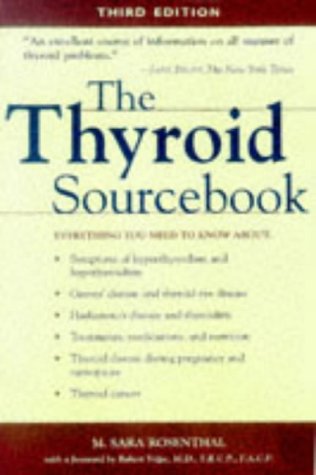
The Thyroid Sourcebook: m-sara-rosenthal
M. Sara Rosenthal ... (Lowell House) Text, for consumers, discussing symptoms of hyperthyroidism and hypothyroidism, Grave's disease and thyroid eye disease, Hashimoto's disease and thyroidi

Complete at
ACCURATE - <strong>Measure TSH, free T3, free T4, and TPO antibodies as a measure of Hashimoto's autoimmunity to get to the root cause</strong>.

Everlywell at
... AT-HOME LAB TESTING: <strong>This easy-to-use, at-home lab test collection kit helps you measure your levels for the 3 main thyroid hormones (TSH, Free T3, and Free T4) plus thyroid antibodies (TP
Evidence & Sources
Supported by multiple clinical trials and systematic reviews
- American Thyroid Association
- Endocrine Society
- American Association of Clinical Endocrinology (AACE)
- National Institute of Diabetes and Digestive and Kidney Diseases (NIDDK)
- National Institute for Health and Care Excellence (NICE)
- BMJ
- Journal of Clinical Endocrinology & Metabolism
- Thyroid
This content is for informational purposes only and does not constitute medical advice. Always consult a qualified healthcare provider before starting, stopping, or changing any supplement or medication regimen.