

Thyroglobulin Antibodies
Also known as: TgAb, TG Antibodies, Thyroglobulin Ab
Overview
Thyroglobulin antibodies (TgAb) are immune proteins directed against thyroglobulin, a large protein made by the thyroid gland that serves as a building block for thyroid hormone production. A thyroglobulin antibody test is primarily used to help identify autoimmune activity involving the thyroid, particularly when clinicians are evaluating conditions such as Hashimoto’s thyroiditis, Graves’ disease, and other forms of thyroid inflammation. It is also clinically relevant in some patients being monitored after treatment for differentiated thyroid cancer, because the presence of TgAb can interfere with interpretation of thyroglobulin tumor-marker testing.
This test is commonly discussed alongside thyroid peroxidase antibodies (TPOAb) because both markers can reflect immune reactivity against thyroid tissue. In many autoimmune thyroid conditions, TPO antibodies are more frequently positive, while TgAb can add complementary information. A positive TgAb result does not by itself establish a diagnosis, and antibody levels may be found in people with overt thyroid disease, subclinical disease, other autoimmune conditions, or occasionally in individuals without clear symptoms.
From a broader clinical perspective, TgAb testing is part of the effort to distinguish immune-mediated thyroid dysfunction from other causes of abnormal thyroid hormone levels, goiter, or nonspecific symptoms such as fatigue, weight change, or temperature intolerance. Interpretation generally occurs in context with TSH, free T4, free T3 when indicated, TPO antibodies, imaging findings, symptoms, and physical exam. Research and clinical guidelines suggest that antibody testing is most meaningful when integrated into this larger thyroid assessment rather than viewed as a standalone marker.
Because autoimmune thyroid disease is common—especially among women and in people with personal or family histories of autoimmunity—thyroid antibody testing has become a familiar part of endocrine workups. At the same time, the significance of a positive TgAb result can vary widely. In conventional medicine it is treated as a marker of immune recognition of thyroid tissue, while in traditional systems it may be interpreted within broader patterns of imbalance involving metabolism, inflammation, constitutional vulnerability, and systemic regulation.
Medical Perspectives
Two Ways of Seeing Health

Western
scientific · clinical
Western medicine applies science, technology, and clinical experience to treat symptoms through testing, diagnosis, and targeted intervention.

Eastern
traditional · alternative
Eastern medicine focuses on treating the body naturally by applying traditional knowledge practiced for thousands of years, emphasizing balance and whole-person wellness.
Gold Bamboo presents both perspectives side-by-side so you can make informed decisions. We don't advocate for one over the other — your health choices are yours.
Western Medicine Perspective
Western Medicine Perspective
In conventional medicine, thyroglobulin antibodies are understood as a laboratory marker of thyroid-directed autoimmunity. Their presence may support the diagnosis of Hashimoto’s thyroiditis or be seen in Graves’ disease and other autoimmune thyroid disorders. However, TgAb is generally considered adjunctive rather than definitive. Many clinicians place greater emphasis on TSH, thyroid hormone levels, TPO antibodies, symptoms, and thyroid ultrasound findings when evaluating suspected autoimmune thyroid disease. Studies indicate that TgAb can help identify autoimmune thyroid involvement in cases where TPO antibodies are negative or where a broader antibody profile is clinically useful.
A separate and important use of TgAb testing is in thyroid cancer follow-up, particularly after treatment for differentiated thyroid carcinoma. Serum thyroglobulin is often used as a tumor marker, but TgAb can interfere with assay interpretation, sometimes making thyroglobulin values less reliable. For that reason, endocrinology guidelines commonly advise measuring TgAb alongside thyroglobulin in surveillance settings. Trends in TgAb levels over time may also provide indirect clinical information, although interpretation depends on assay method and overall context.
Conventional medicine also recognizes the limitations of this test. A positive result does not necessarily indicate active thyroid dysfunction, predict symptom severity, or define a need for treatment on its own. Antibody levels may fluctuate, and different laboratories use different reference ranges and assay platforms. As a result, test interpretation is typically individualized and best handled by a qualified healthcare professional, especially when results appear borderline, discordant with thyroid hormone tests, or are being followed longitudinally.
Eastern & Traditional Perspective
Eastern / Traditional Medicine Perspective
In Traditional Chinese Medicine (TCM), there is no exact historical equivalent to a thyroglobulin antibody lab test, but the findings may be interpreted within patterns associated with goiter, phlegm accumulation, qi stagnation, blood stasis, yin deficiency, or spleen-kidney imbalance. From this viewpoint, thyroid-related immune activity is not seen simply as an isolated antibody phenomenon but as part of a broader systemic pattern affecting transformation, fluid metabolism, and the body’s regulatory balance. TCM assessment typically emphasizes the overall presentation—energy, temperature tendencies, digestion, sleep, emotional stress, tongue and pulse qualities—rather than the antibody level alone.
In Ayurveda, thyroid imbalance is often viewed through the lens of agni (metabolic fire), ama (accumulated metabolic byproducts), and doshic imbalance, especially involving Kapha and Vata, with some presentations also linked to Pitta-related inflammatory processes. Autoimmune-type patterns may be framed as disturbances in systemic resilience, tissue nourishment, and immune regulation rather than as a single organ-specific event. Similarly, naturopathic and other traditional frameworks may consider thyroid antibody positivity as part of a wider terrain involving stress physiology, digestion, nutrient status, and inflammatory burden.
Across these systems, the traditional emphasis is usually on pattern differentiation and whole-person assessment rather than treating the laboratory value itself. While many herbs, dietary traditions, and mind-body practices have been historically used in thyroid-supportive care, the scientific evidence specifically linking traditional approaches to meaningful changes in TgAb levels remains limited and variable. For that reason, an integrative interpretation generally benefits from collaboration with qualified healthcare professionals who can place traditional concepts alongside modern thyroid testing and endocrine evaluation.
Supplements & Products
Recommended Products

Hashimoto's Thyroiditis: Lifestyle Interventions for Finding and Treating the Root Cause
Izabella Wentz, Pharm.D., FASCP is <strong>a pharmacist, Hashimoto's patient and pioneer in lifestyle interventions for Hashimoto's Thyroiditis</strong>. She has summarized three years of re
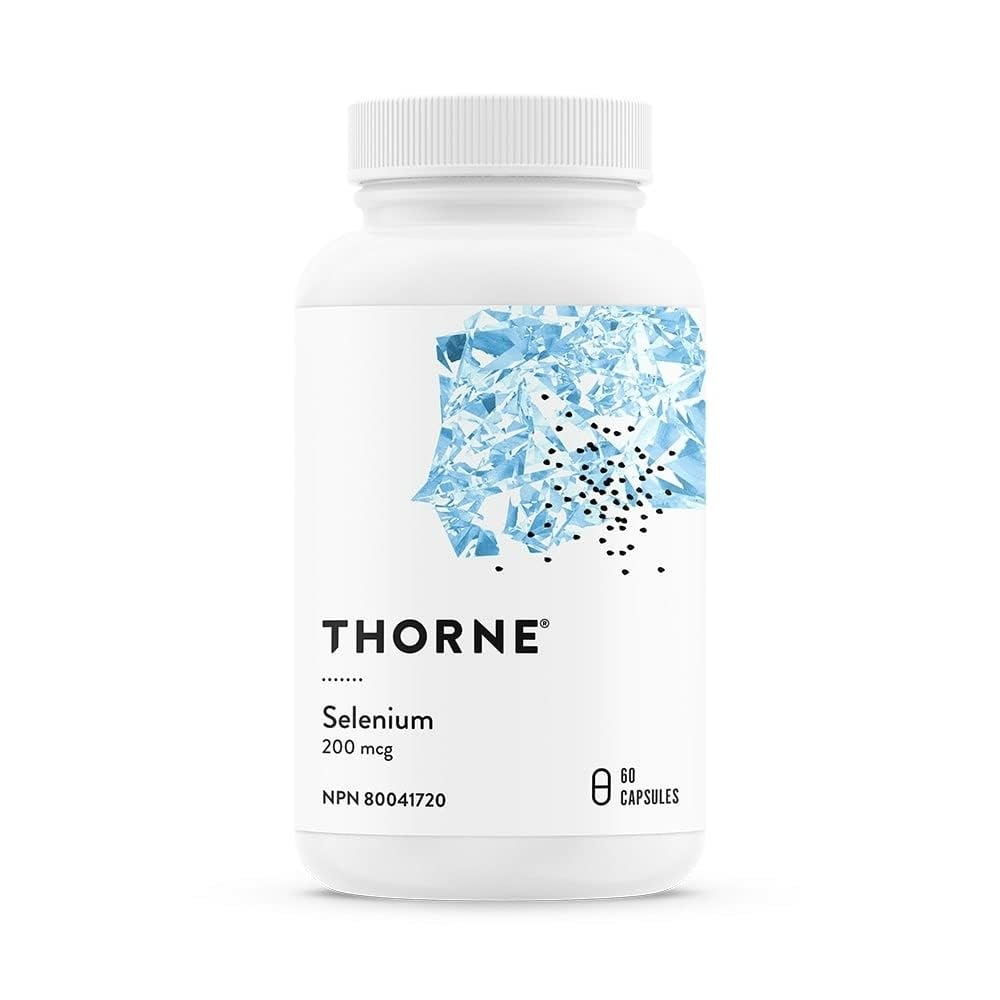
THORNE - Selenium - 200 mcg Selenium Supplement for Antioxidant Support* - 60 Capsules : Everything Else
One Capsule Contains: Selenium (as L-Selenomethionine) 200 mcg.

Everlywell at
... AT-HOME LAB TESTING: <strong>This easy-to-use, at-home lab test collection kit helps you measure your levels for the 3 main thyroid hormones (TSH, Free T3, and Free T4) plus thyroid antibodies (TP
Evidence & Sources
Promising research with growing clinical support from multiple studies
- American Thyroid Association Guidelines
- National Institute of Diabetes and Digestive and Kidney Diseases (NIDDK)
- ARUP Consult: Autoimmune Thyroiditis
- Journal of Clinical Endocrinology & Metabolism
- Thyroid
- National Cancer Institute (NCI)
- European Thyroid Association Guidelines
- MedlinePlus / U.S. National Library of Medicine
This content is for informational purposes only and does not constitute medical advice. Always consult a qualified healthcare provider before starting, stopping, or changing any supplement or medication regimen.