

Thermography
Also known as: Thermal Imaging, Breast Thermography
Overview
Thermography—also called infrared thermography or digital infrared thermal imaging (DITI)—is a noninvasive imaging technique that detects surface heat patterns emitted by the body. Specialized infrared cameras convert temperature differences on the skin into visual maps, which may reflect underlying changes in blood flow, inflammation, nerve activity, or tissue metabolism. Because it does not use ionizing radiation, thermography is often described as a radiation-free functional imaging tool rather than a structural imaging test.
Interest in thermography has centered on its potential role in identifying physiologic abnormalities before structural changes are visible on conventional imaging. It has been explored in a range of settings, including breast imaging, musculoskeletal injury, vascular disorders, neuropathic pain, fever screening, wound assessment, and inflammatory conditions. The basic premise is that abnormal tissues may produce characteristic thermal signatures—for example, warmer regions associated with increased blood flow or inflammation, or cooler regions associated with impaired circulation.
At the same time, thermography has important limitations. Skin temperature can be influenced by room conditions, recent activity, hormonal state, medications, body composition, and technical factors related to image acquisition and interpretation. For this reason, thermography is generally viewed as an adjunctive tool rather than a stand-alone diagnostic method for most diseases. Its clinical value varies substantially depending on the condition being assessed and the quality of the imaging protocol.
In public discussion, thermography is often associated with early disease detection, especially breast health. However, major medical organizations have generally concluded that current evidence does not support replacing established diagnostic imaging with thermography alone for cancer screening. Research continues in more targeted applications, particularly where real-time thermal changes may offer useful information about inflammation, circulation, or autonomic dysfunction. Anyone considering thermographic testing is typically encouraged to interpret results within the broader context of a qualified healthcare evaluation.
Medical Perspectives
Two Ways of Seeing Health

Western
scientific · clinical
Western medicine applies science, technology, and clinical experience to treat symptoms through testing, diagnosis, and targeted intervention.

Eastern
traditional · alternative
Eastern medicine focuses on treating the body naturally by applying traditional knowledge practiced for thousands of years, emphasizing balance and whole-person wellness.
Gold Bamboo presents both perspectives side-by-side so you can make informed decisions. We don't advocate for one over the other — your health choices are yours.
Western Medicine Perspective
Western Medicine Perspective
From a conventional medical standpoint, thermography is understood as a technique that measures infrared radiation emitted from the skin surface. In modern clinical science, it is classified as a physiologic or functional imaging modality, meaning it may reveal patterns related to temperature regulation and vascular activity, but it does not directly visualize internal anatomy in the way that ultrasound, CT, MRI, or mammography can. This distinction is central to how thermography is used and to its limitations.
Research has examined thermography in several areas. Studies suggest potential utility in musculoskeletal medicine for monitoring inflammation or overuse patterns, in diabetic foot and vascular assessment for identifying temperature asymmetry linked to ulcer risk or circulatory compromise, and in some pain syndromes where altered autonomic or inflammatory activity affects skin temperature. During infectious disease outbreaks, thermal screening has also been used in public settings, though its sensitivity and specificity are limited because skin temperature does not always correlate reliably with core body temperature or disease status.
In breast imaging, thermography has been one of the most debated applications. Regulatory agencies and specialty organizations, including the U.S. Food and Drug Administration (FDA) and major cancer groups, have stated that thermography should not be used as a substitute for mammography in breast cancer screening or diagnosis. Evidence to date has been inconsistent, with concerns about false reassurance, false positives, variable interpretation, and inadequate sensitivity compared with established imaging methods. In conventional practice, when thermography is used at all, it is generally regarded as supplementary and investigational rather than standard of care for cancer detection.
Overall, western medicine views thermography as a technology with niche and evolving applications, but not as a universal early-detection test. Its usefulness depends heavily on standardized imaging conditions, operator expertise, validated interpretation criteria, and correlation with clinical findings and conventional diagnostics. The most evidence-supported uses tend to involve monitoring physiologic changes rather than making definitive diagnoses on thermal patterns alone.
Eastern & Traditional Perspective
Eastern/Traditional Medicine Perspective
Traditional medical systems did not historically use infrared cameras, but the concept of temperature patterns in the body has long held diagnostic importance. In Traditional Chinese Medicine (TCM), practitioners assess signs such as localized heat, coldness, flushing, skin color changes, and asymmetry as reflections of patterns like heat, cold, stagnation, deficiency, or disrupted qi and blood flow. From this perspective, thermography may be seen as a modern tool that visually maps external manifestations of internal imbalance, especially in areas associated with inflammation, poor circulation, or autonomic dysregulation.
In Ayurveda, assessment traditionally includes observation of circulation, inflammation, tissue vitality, and constitutional patterns, sometimes framed through concepts such as excess heat, impaired flow, or weakened tissue resilience. A thermographic image might be interpreted as a contemporary representation of these physiologic tendencies, though Ayurveda itself does not define diagnosis through infrared imaging. Similarly, in naturopathic and integrative medicine, thermography is sometimes discussed as a way to observe functional changes before overt pathology is detectable, aligning with a broader emphasis on early imbalance and whole-person assessment.
That said, within eastern and traditional frameworks, thermography is best understood as a modern adjunct rather than a traditional diagnostic pillar. It may appeal to practitioners who value noninvasive observation and pattern recognition, but traditional systems generally rely on clinical history, palpation, pulse or tongue assessment, symptom patterns, and longitudinal observation rather than thermal imaging alone. Integrative practitioners who use thermography often interpret it alongside these broader methods rather than treating it as definitive.
A balanced integrative view recognizes that thermography can resonate conceptually with traditional ideas about heat, inflammation, stagnation, and flow, while also acknowledging that its clinical meaning depends on modern technical standards and evidence. As with many functional assessment tools in integrative care, interpretation is typically considered most meaningful when placed in the context of the individual’s overall presentation and reviewed with appropriately trained healthcare professionals.
Supplements & Products
Recommended Products
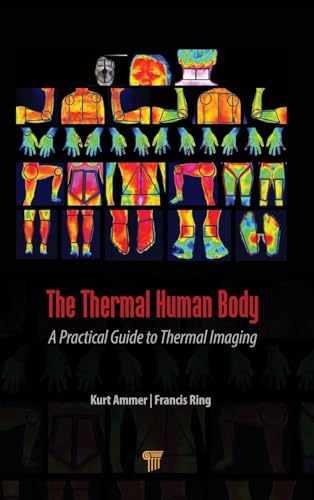
The Thermal Human Body: A Practical Guide to Thermal Imaging eBook : Ammer, Kurt, Ring, Francis: Kindle Store
A valuable reference for anyone in biomedical sciences, engineering, and other medical fields." ―CHOICE"There is no way to study thermal imaging and not learn from the writings of Francis Ri
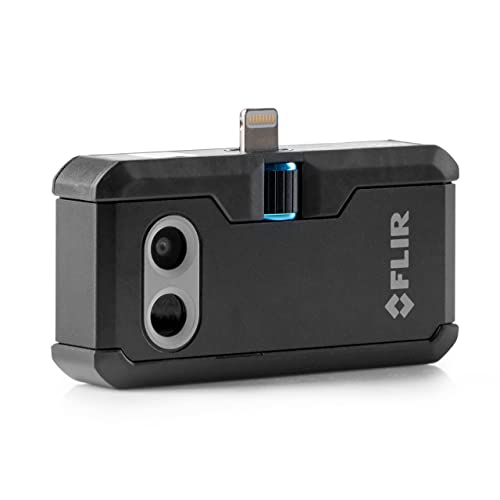
Flir One Pro - Thermal Imaging Camera for iOS ...
One - Thermal Imaging Camera for iOS Smartphones (iPhone 15 and Newer w/USB-C), 240x180 Super Resolution (80x60 Native IR) · One Pro - Thermal Imaging Camera for iOS Smartphones (iPhone 14 and Older w

FLIR E6-XT - Commercial Thermal Imaging Camera with ...
<strong>One - Thermal Imaging Camera for iOS Smartphones (iPhone 15 and Newer w/USB-C), 240x180 Super Resolution (80x60 Native IR)</strong> · One Pro - Thermal Imaging Camera for iOS Smartphones (iPho
Evidence & Sources
Promising research with growing clinical support from multiple studies
- U.S. Food and Drug Administration (FDA)
- National Cancer Institute (NCI)
- American College of Radiology (ACR)
- European Association of Nuclear Medicine and Molecular Imaging / related thermography literature
- Journal of Biomechanics
- Diabetes Care
- Infrared Physics & Technology
- NCCIH (National Center for Complementary and Integrative Health)
This content is for informational purposes only and does not constitute medical advice. Always consult a qualified healthcare provider before starting, stopping, or changing any supplement or medication regimen.