

Testosterone Test
Also known as: Androgen Test, Male Hormone Test
Overview
A testosterone test is a laboratory assessment that measures the amount of testosterone in the blood. Testosterone is a key sex hormone present in all sexes, though levels differ substantially by age, sex, life stage, and underlying health status. It plays important roles in sexual development, reproductive function, muscle and bone maintenance, red blood cell production, mood, and energy regulation. In clinical practice, testosterone testing is frequently used when clinicians are evaluating concerns related to puberty, fertility, menstrual or ovulatory function, sexual symptoms, body composition changes, or suspected hormone imbalance.
Testing may involve total testosterone, free testosterone, or sometimes bioavailable testosterone, depending on the clinical question. Total testosterone reflects both protein-bound and unbound hormone in circulation, while free testosterone refers to the small fraction not bound to proteins such as sex hormone-binding globulin (SHBG). Because testosterone levels fluctuate over the day and can be influenced by age, medications, sleep, illness, body weight, and laboratory methods, interpretation is often more meaningful when considered alongside symptoms, medical history, and related hormone tests.
In adults assigned male at birth, testing is commonly discussed in the context of suspected hypogonadism, infertility, delayed puberty, erectile or libido-related concerns, and monitoring of hormone therapy. In adults assigned female at birth, testosterone measurement may be part of an evaluation for polycystic ovary syndrome (PCOS), irregular menstrual cycles, infertility, acne, hirsutism, or virilization. In children and adolescents, clinicians may use testosterone testing to help assess precocious puberty, delayed puberty, or disorders of sexual development.
A testosterone test is best understood as one data point rather than a standalone diagnosis. Research and clinical guidelines emphasize that an abnormal result does not automatically confirm disease, and a normal result does not always exclude a hormone-related issue. For that reason, healthcare professionals often interpret testosterone values together with measurements such as LH, FSH, estradiol, prolactin, SHBG, DHEA-S, thyroid markers, or semen analysis, depending on the person’s presentation and health goals.
Medical Perspectives
Two Ways of Seeing Health

Western
scientific · clinical
Western medicine applies science, technology, and clinical experience to treat symptoms through testing, diagnosis, and targeted intervention.

Eastern
traditional · alternative
Eastern medicine focuses on treating the body naturally by applying traditional knowledge practiced for thousands of years, emphasizing balance and whole-person wellness.
Gold Bamboo presents both perspectives side-by-side so you can make informed decisions. We don't advocate for one over the other — your health choices are yours.
Western Medicine Perspective
Western Medicine Perspective
In conventional medicine, testosterone testing is used to evaluate whether blood levels are consistent with normal physiology for a person’s age, sex, and clinical context. The test is typically ordered when there are symptoms or signs suggesting androgen deficiency or excess. Studies and professional society guidelines note that diagnosis of low testosterone generally depends on both compatible symptoms and consistently low laboratory values, often confirmed with repeat morning testing because testosterone follows a diurnal rhythm, especially in younger men. Laboratory method matters as well; high-quality assays are particularly important when measuring lower concentrations, such as in women and children.
From a diagnostic standpoint, clinicians may distinguish between primary hypogonadism (where the testes are not producing adequate testosterone) and secondary hypogonadism (where pituitary or hypothalamic signaling is impaired). This distinction often relies on testosterone results interpreted with LH and FSH. In women, testosterone testing is more often used to investigate hyperandrogenic states, including PCOS, androgen-secreting tumors, congenital adrenal hyperplasia, or medication-related hormonal effects. Western medicine also recognizes that factors such as obesity, diabetes, chronic illness, sleep apnea, acute stress, corticosteroids, opioids, and aging can alter testosterone levels.
Conventional interpretation places substantial emphasis on reference ranges, assay reliability, timing of sample collection, and reproducibility. Research suggests that isolated or borderline results can be misleading if evaluated without context. For this reason, professional organizations such as the Endocrine Society and American Urological Association stress careful confirmation before a hormonal disorder is diagnosed or monitored. In broader preventive care, testosterone tests are not generally treated as universal screening tools for all adults; rather, they are most meaningful when used in a targeted clinical evaluation.
Eastern & Traditional Perspective
Eastern/Traditional Medicine Perspective
In Traditional Chinese Medicine (TCM) and related East Asian systems, a testosterone test would not historically have been a traditional diagnostic tool, but its modern use may be viewed as a biomedical measurement that complements pattern-based assessment. TCM does not define health primarily through a single hormone value; instead, symptoms associated with low or high testosterone may be interpreted through patterns involving Kidney Jing, Kidney Yang, Liver Qi stagnation, Damp-Heat, or Blood deficiency, depending on the broader presentation. Concerns such as fatigue, low libido, infertility, menstrual irregularity, or reduced vitality are traditionally assessed through the relationship among organ systems, constitutional factors, and overall balance.
In Ayurveda, symptoms that overlap with testosterone-related concerns may be discussed in terms of Shukra dhatu (reproductive tissue), vitality, ojas, metabolic balance, and doshic patterns. Rather than isolating one biochemical marker, Ayurveda traditionally evaluates reproductive and endocrine-like function through digestion, tissue nourishment, stress load, sleep, and constitutional tendencies. A blood testosterone result may therefore be regarded in integrative settings as useful modern information, while the broader clinical understanding remains rooted in whole-person assessment.
Naturopathic and integrative medicine often adopt a similar bridge between paradigms: laboratory testosterone values are acknowledged as important, but they are interpreted alongside sleep quality, nutrition, stress physiology, metabolic health, and environmental exposures. Research in these areas is still developing, and traditional systems generally rely more on longstanding frameworks than on hormone-specific clinical trials. As a result, eastern and traditional perspectives tend to place less emphasis on the test as a definitive answer and more on how it fits into a wider picture of systemic balance and functional health. Consultation with qualified healthcare professionals is important when integrating traditional interpretations with laboratory findings.
Supplements & Products
Recommended Products

Testosterone for Life: Recharge Your Vitality, Sex Drive, Muscle Mass, and Overall Health: MORGENTALER, Abraham
Boosting Testosterone Naturally After 40: Hidden Secrets for Men to Reclaim Libido, Strength, Energy, and Vitality · N.W. MARTIN ... Dr. Abraham Morgentaler MD M.D.
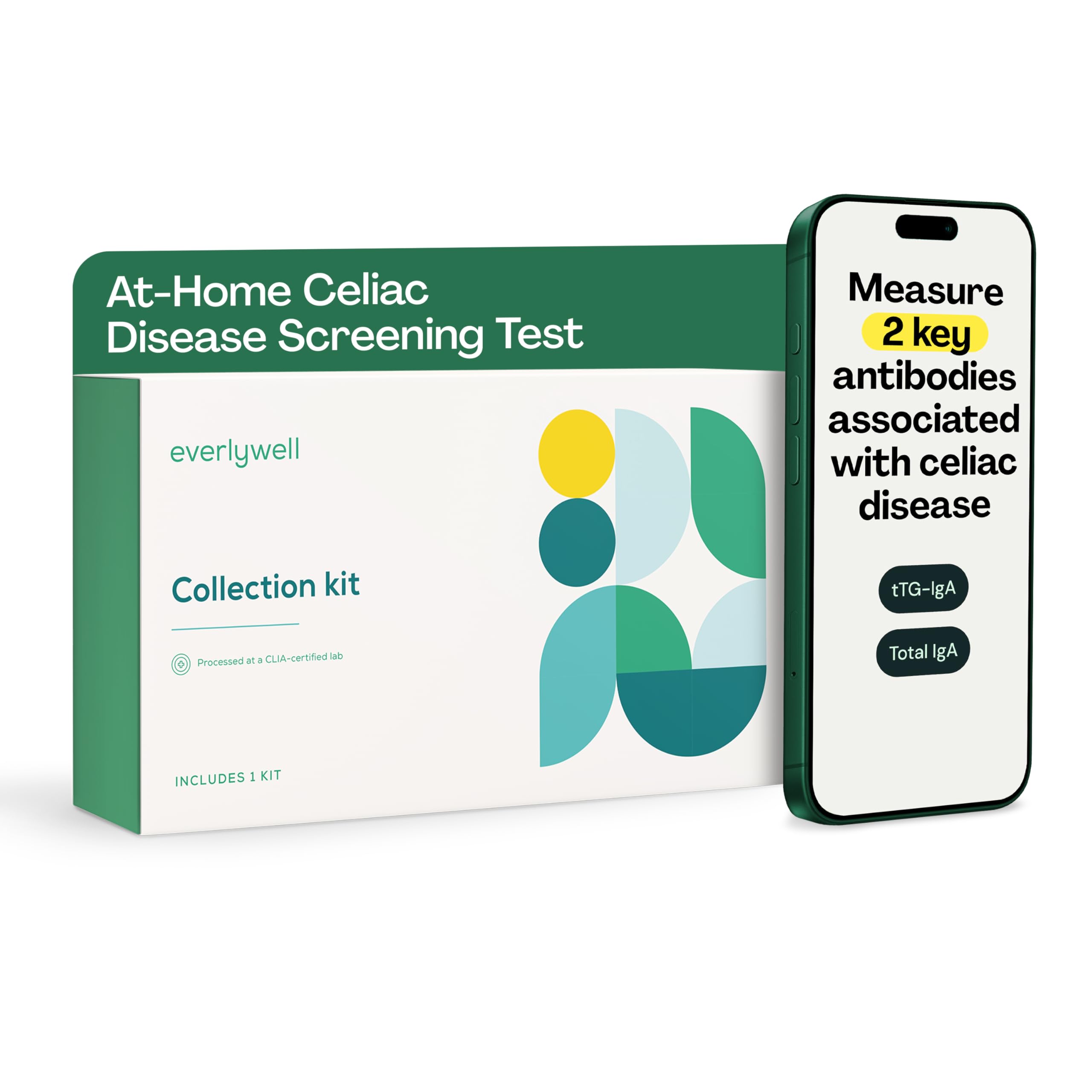
Everlywell At
... TOTAL TESTOSTERONE: <strong>Measures your total T level</strong>, the key hormone that affects energy, muscle mass, libido, vitality and more to help explain changes in performance and overall wel
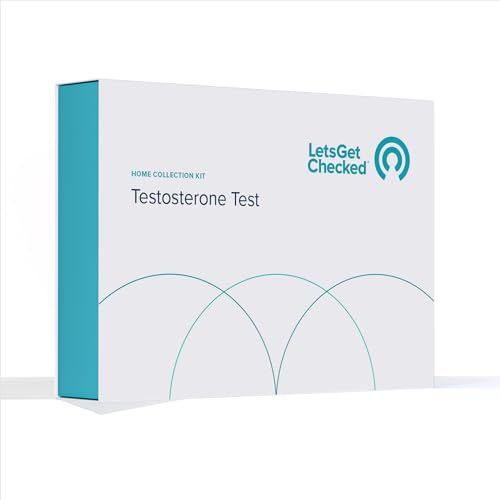
LetsGetChecked - Testosterone Test | Check Your Levels | Home Sample Collection Kit| Online Results in Approx 2-5 Days | Private and Discreet
Our kits include <strong>clear step-by-step instructions on how to collect your sample yourself, at home</strong>. ... Symptoms of low testosterone can include low sex drive, erectile dysfunction, and
Evidence & Sources
Supported by multiple clinical trials and systematic reviews
- Endocrine Society Clinical Practice Guideline
- American Urological Association Guideline on Testosterone Deficiency
- American Society for Reproductive Medicine
- Mayo Clinic Laboratories
- MedlinePlus, U.S. National Library of Medicine
- National Institute of Diabetes and Digestive and Kidney Diseases (NIDDK)
- The Journal of Clinical Endocrinology & Metabolism
- NCCIH (National Center for Complementary and Integrative Health)
This content is for informational purposes only and does not constitute medical advice. Always consult a qualified healthcare provider before starting, stopping, or changing any supplement or medication regimen.