

SIBO Breath Test
Also known as: Small Intestine Bacterial Overgrowth Test, Lactulose Breath Test, Glucose Breath Test
Overview
A SIBO breath test is a noninvasive diagnostic tool used to help evaluate small intestinal bacterial overgrowth (SIBO), a condition in which excessive numbers or altered types of microbes are present in the small intestine. The test typically measures hydrogen and methane gases in exhaled breath after a person consumes a carbohydrate substrate such as lactulose or glucose. These gases are not produced by human cells; instead, they are generated when intestinal microbes ferment carbohydrates. Measuring changes in breath gases over time can offer indirect information about where and how fermentation is occurring in the gastrointestinal tract.
Interest in SIBO breath testing has grown alongside broader attention to the gut microbiome, irritable bowel syndrome (IBS), bloating, altered bowel habits, and other functional digestive complaints. Research suggests that some people with chronic abdominal bloating, distention, diarrhea-predominant IBS, constipation associated with methane production, or symptoms after gastrointestinal surgery may have patterns on breath testing that are consistent with microbial overgrowth or intestinal methanogen overgrowth. At the same time, the test remains an area of active debate, because results can be influenced by intestinal transit time, preparation quality, substrate choice, and the criteria used to define a positive result.
Breath testing is valued in part because it is safer and more practical than direct small-bowel aspirate culture, which is invasive and technically limited. However, it is best understood as an imperfect but clinically useful indirect test, rather than a definitive stand-alone measure of the entire small-intestinal microbiome. Interpretation generally depends on the broader clinical context, including symptoms, anatomy, medication use, motility disorders, prior surgeries, and other possible explanations for gastrointestinal symptoms.
Modern breath testing may also assess methane, and in some settings hydrogen sulfide, reflecting a broader understanding that not all microbial overgrowth patterns look the same. Methane in particular has been associated in studies with slowed intestinal transit and constipation-related symptoms, leading some experts to distinguish intestinal methanogen overgrowth (IMO) from classic SIBO. Because digestive symptoms often have multiple contributing factors, breath test findings are typically considered one piece of a larger diagnostic picture, ideally interpreted by a qualified healthcare professional.
Medical Perspectives
Two Ways of Seeing Health

Western
scientific · clinical
Western medicine applies science, technology, and clinical experience to treat symptoms through testing, diagnosis, and targeted intervention.

Eastern
traditional · alternative
Eastern medicine focuses on treating the body naturally by applying traditional knowledge practiced for thousands of years, emphasizing balance and whole-person wellness.
Gold Bamboo presents both perspectives side-by-side so you can make informed decisions. We don't advocate for one over the other — your health choices are yours.
Western Medicine Perspective
Western / Conventional Medicine Perspective
From a conventional medicine standpoint, the SIBO breath test is used to detect abnormal fermentation patterns suggestive of excessive microbial activity in the small intestine. The most widely used substrates are glucose and lactulose. Glucose is absorbed relatively early in the small intestine, so a rise in hydrogen or methane after glucose may suggest overgrowth in the proximal small bowel. Lactulose is not absorbed and travels through the intestine, allowing broader sampling, but it may also be more vulnerable to false-positive interpretation if rapid transit causes early colonic fermentation. Because of these tradeoffs, studies and guidelines continue to compare test performance and optimal interpretation standards.
Clinical use of the test is most common in people with bloating, gas, abdominal discomfort, diarrhea, constipation, malabsorption, or IBS-like symptoms, especially when there are risk factors such as prior intestinal surgery, motility disorders, diabetes with autonomic dysfunction, systemic sclerosis, celiac disease, or chronic use of medications that affect motility or gastric acid. Professional guidance, including consensus documents, has attempted to standardize pre-test preparation and define positivity thresholds for hydrogen and methane. Even so, sensitivity and specificity vary considerably across studies, and breath testing is not universally regarded as definitive. False positives and false negatives are both possible.
Conventional medicine also recognizes that SIBO is often secondary to an underlying cause rather than a primary isolated disorder. Accordingly, when breath testing is used, results are generally interpreted alongside a broader medical evaluation that may include assessment for structural abnormalities, motility problems, malabsorption, inflammatory conditions, pancreatic insufficiency, or other gastrointestinal disorders. In this framework, the breath test is a functional diagnostic aid that can contribute to clinical reasoning, but it does not replace comprehensive assessment.
Eastern & Traditional Perspective
Eastern / Traditional Medicine Perspective
Traditional medical systems do not historically describe a SIBO breath test in biomedical terms, but many interpret the symptom patterns associated with suspected SIBO through broader frameworks of digestive imbalance. In Traditional Chinese Medicine (TCM), symptoms such as bloating, abdominal fullness, irregular stools, belching, and food stagnation may be viewed through patterns involving Spleen Qi deficiency, Dampness accumulation, Liver overacting on the digestive system, or food stagnation. The focus is typically less on identifying a specific gas pattern and more on understanding the overall functional disharmony behind symptoms.
In Ayurveda, comparable symptom clusters may be discussed in relation to disturbances of Agni (digestive fire), Ama (incompletely processed metabolic residue), and imbalances in Vata, particularly when gas, distention, irregular elimination, and sensitivity after eating are prominent. Traditional naturopathic models similarly emphasize impaired digestion, motility, microbial balance, and the relationship between stress, diet patterns, and gastrointestinal resilience. These systems often treat testing as one source of information among many rather than the sole determinant of digestive health.
From an integrative perspective, a SIBO breath test may be seen as a modern tool that complements traditional pattern assessment. Some practitioners use biomedical test results to help contextualize symptom clusters while still evaluating sleep, stress, appetite, stool patterns, energy, and constitutional tendencies. The eastern/traditional lens generally places greater emphasis on systemic balance and root-pattern interpretation, whereas the breath test provides a narrower measure of microbial fermentation. Because these paradigms operate differently, they are often best viewed as complementary rather than interchangeable.
Supplements & Products
Recommended Products
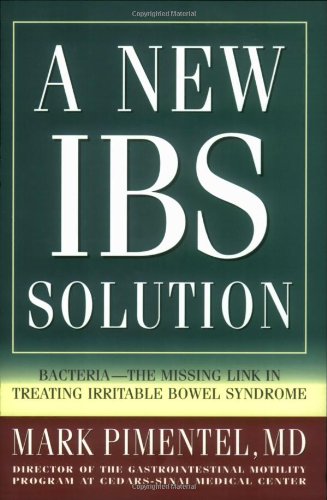
A New IBS Solution: Mark Pimentel
Pimentel believes that the "missing ... intestine. A New IBS Solution <strong>takes you through the historical evolution of conventional medicine's view on IBS in a way that can be easily un

FoodMarble AIRE Bundle | Includes 6-Week Discovery Plan and FODMAP at Home Food Intolerance Test Kit | Improve Your Gut Health | FSA/HSA Eligible
1 Includes FODMAP Test 2 Lactose / Fructose 3 Sorbitol / Inulin · Brief content visible, double tap to read full content. Full content visible, double tap to read brief content. FoodMarble Digestive H
Evidence & Sources
Promising research with growing clinical support from multiple studies
- American Journal of Gastroenterology
- North American Consensus on Breath Testing
- American College of Gastroenterology Clinical Guidelines
- Gut
- Clinical Gastroenterology and Hepatology
- National Institute of Diabetes and Digestive and Kidney Diseases (NIDDK)
- National Center for Complementary and Integrative Health (NCCIH)
- World Journal of Gastroenterology
This content is for informational purposes only and does not constitute medical advice. Always consult a qualified healthcare provider before starting, stopping, or changing any supplement or medication regimen.