

Sex Hormone Binding Globulin
Also known as: SHBG, Sex Hormone Binding Globulin Test
Overview
Sex hormone-binding globulin (SHBG) is a glycoprotein made primarily in the liver that binds circulating sex steroids, especially testosterone, dihydrotestosterone (DHT), and estradiol. By attaching to these hormones in the bloodstream, SHBG helps regulate how much hormone remains bioavailable to tissues. In clinical practice, SHBG is often interpreted alongside total testosterone, free testosterone, estradiol, albumin, thyroid markers, liver function, and metabolic indicators because a normal total hormone level does not always reflect the amount of hormone that can enter cells and exert biological effects.
SHBG has become an important marker in both conventional endocrinology and functional medicine because it can help explain why symptoms and standard lab values do not always align. For example, a person may have normal total testosterone but relatively low free testosterone if SHBG is elevated, while low SHBG can make free hormone levels appear higher despite average total hormone levels. SHBG concentrations are influenced by multiple factors, including age, sex, insulin resistance, obesity, thyroid status, liver health, inflammation, medications, and reproductive state.
Research also suggests that SHBG is more than a passive carrier protein. Lower SHBG levels are consistently associated with metabolic syndrome, type 2 diabetes, nonalcoholic fatty liver disease, and cardiovascular risk markers, while higher or lower values in other settings may reflect changes in endocrine or hepatic function rather than a disease on their own. Because of this, SHBG is often viewed as a context-dependent biomarker that can provide insight into both hormone balance and broader metabolic health.
As a laboratory topic, SHBG is most commonly discussed in the workup of androgen excess, low testosterone symptoms, menstrual irregularity, infertility, polycystic ovary syndrome (PCOS), menopause-related changes, thyroid disorders, and unexplained differences between symptoms and standard hormone tests. Interpretation is nuanced, and healthcare professionals typically consider SHBG as one part of a larger clinical picture rather than a standalone diagnostic answer.
Medical Perspectives
Two Ways of Seeing Health

Western
scientific · clinical
Western medicine applies science, technology, and clinical experience to treat symptoms through testing, diagnosis, and targeted intervention.

Eastern
traditional · alternative
Eastern medicine focuses on treating the body naturally by applying traditional knowledge practiced for thousands of years, emphasizing balance and whole-person wellness.
Gold Bamboo presents both perspectives side-by-side so you can make informed decisions. We don't advocate for one over the other — your health choices are yours.
Western Medicine Perspective
Western / Conventional Medicine Perspective
In conventional medicine, SHBG is understood primarily as a transport and regulatory protein that influences the relationship between total and free sex hormone levels. Most circulating testosterone and estradiol are protein-bound, mainly to SHBG and albumin; only a small fraction is free. Because free and bioavailable hormone levels may correlate more closely with tissue effects in some settings, SHBG testing is often used to refine interpretation when symptoms do not match total hormone values. This is particularly relevant in the evaluation of male hypogonadism, female hyperandrogenism, PCOS, infertility, menopause, and certain thyroid or liver disorders.
Clinically, high SHBG may be seen with hyperthyroidism, liver disease, aging, low body weight, some medications, and higher estrogen states, while low SHBG is commonly associated with insulin resistance, obesity, hypothyroidism, androgen excess, glucocorticoid exposure, and metabolic dysfunction. In women, low SHBG is frequently discussed in PCOS because it can contribute to a higher proportion of free androgens even when total testosterone is only mildly elevated. In men, elevated SHBG can contribute to lower calculated free testosterone despite normal total testosterone, especially with aging.
Research has also linked SHBG to broader metabolic and cardiometabolic outcomes. Large epidemiologic studies indicate that lower SHBG is associated with greater risk of type 2 diabetes and metabolic syndrome, though whether SHBG is directly causal or a marker of underlying insulin and liver-related physiology remains an active area of study. Conventional medicine generally does not treat SHBG itself as a disease target; instead, clinicians investigate and address the underlying endocrine, metabolic, hepatic, or medication-related factors that may be altering SHBG levels.
From a testing standpoint, SHBG is often most informative when interpreted with albumin, total testosterone or estradiol, calculated free hormone measures, thyroid function tests, liver enzymes, glucose-insulin markers, and relevant reproductive hormones. Professional guidance emphasizes that assay limitations, reference range differences, age, sex, menstrual status, and medication use can all affect interpretation, underscoring the need for individualized assessment by a qualified healthcare provider.
Eastern & Traditional Perspective
Eastern / Traditional Medicine Perspective
Traditional medical systems do not historically describe SHBG as a discrete biomarker, since it is a modern laboratory concept. However, many eastern and integrative frameworks interpret hormone-binding patterns through broader functional themes such as balance, vitality, metabolism, reproductive essence, and liver regulation. In this view, an SHBG result may be seen not as an isolated problem but as one reflection of how the body is managing hormonal communication, nutrient status, stress load, and metabolic resilience.
In Traditional Chinese Medicine (TCM), symptoms associated with altered androgen or estrogen availability might be discussed in patterns involving the Liver, Kidney, and Spleen systems. Irregular cycles, fatigue, low libido, mood changes, weight fluctuation, and heat or cold tendencies may be interpreted through concepts such as Kidney essence deficiency, Liver qi stagnation, phlegm-damp accumulation, or blood deficiency depending on the presentation. Because the liver plays a major role in the production of SHBG in biomedicine, some integrative practitioners note a loose conceptual overlap between hepatic function in Western medicine and the TCM emphasis on the Liver’s role in smooth regulation and hormonal rhythm, though these systems are not directly equivalent.
In Ayurveda, hormone-related symptoms that might coexist with altered SHBG are often framed in terms of dosha imbalance, tissue nourishment, digestion and metabolism (agni), and reproductive tissue health (shukra/artava dhatu). Presentations involving weight gain, sluggish metabolism, and androgen excess may be associated conceptually with kapha imbalance and impaired metabolic transformation, while depletion, irregularity, or heat-related symptoms may be interpreted differently depending on the constitution and pattern. Naturopathic and functional traditions similarly tend to view SHBG as part of a larger picture involving liver function, blood sugar regulation, stress physiology, nutrient sufficiency, and endocrine balance.
The evidence base for directly modifying SHBG through traditional frameworks is limited, and most support is indirect or pattern-based rather than specific to this protein. For this reason, eastern and integrative perspectives are best understood as complementary interpretive models that may help organize symptoms and lifestyle context, while laboratory interpretation and medical evaluation remain important—especially when SHBG changes accompany menstrual disruption, infertility, suspected endocrine disease, or symptoms of androgen or estrogen imbalance.
Supplements & Products
Recommended Products
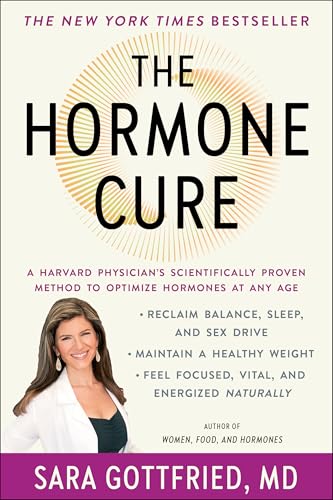
The Hormone Cure: Reclaim Balance, Sleep and Sex Drive; Lose Weight; Feel Focused, Vital, and Energized Naturally with the Gottfried Protocol: Gottfried, Dr. Sara, Northrup, Dr. Christianne
Sara Gottfried, a Harvard-educated ... In The Hormone Cure, <strong>she shares the unique hormone-balancing program that she has used to help thousands of women reclaim wellness, verve, and optimal he
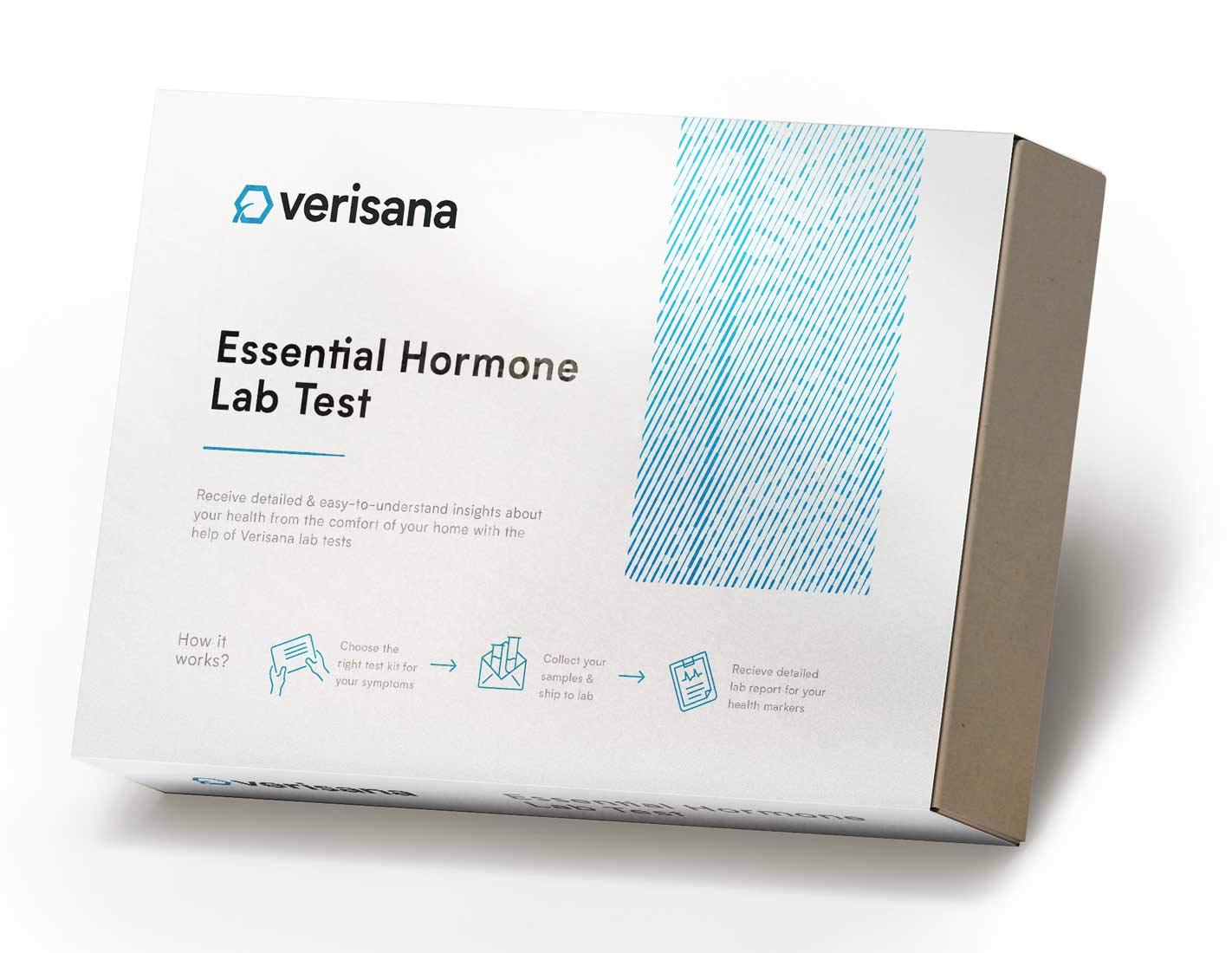
Essential Hormone Test – Check 3 Vital Hormones (E2, Pg & T) with a Simple Saliva Sample– at
Amazon.com: Essential Hormone Test – Check 3 Vital Hormones (E2, Pg & T) with a Simple Saliva Sample– at-Home Test Kit – Verisana : Industrial & Scientific

Everlywell at
... AT-HOME LAB TESTING: <strong>This easy-to-use, at-home lab test collection kit helps you measure your levels for the 3 main thyroid hormones (TSH, Free T3, and Free T4) plus thyroid antibodies (TP
Evidence & Sources
Promising research with growing clinical support from multiple studies
- Endocrine Society
- American Urological Association
- The Journal of Clinical Endocrinology & Metabolism
- The New England Journal of Medicine
- Diabetes Care
- NCCIH (National Center for Complementary and Integrative Health)
- NIH MedlinePlus
- World Health Organization
This content is for informational purposes only and does not constitute medical advice. Always consult a qualified healthcare provider before starting, stopping, or changing any supplement or medication regimen.