

Selenium Test
Also known as: Serum Selenium, Selenium Level
Overview
A selenium test measures selenium status in the body, usually through blood, plasma/serum, urine, or sometimes hair/nail analysis, depending on the clinical question and laboratory method. Selenium is an essential trace mineral required in small amounts for the function of several selenoproteins, including enzymes involved in antioxidant defense, thyroid hormone conversion, and immune regulation. Because selenium participates in processes that affect cellular protection from oxidative stress, thyroid physiology, and inflammatory balance, interest in testing often arises in the setting of thyroid concerns, unexplained fatigue, malabsorption, restrictive diets, chronic illness, or suspected deficiency or excess exposure.
From a public health perspective, selenium status varies widely across regions because soil selenium content influences the amount present in foods. Dietary intake may be lower in some populations and higher in others, while excess exposure can occur through supplements, occupational sources, or rarely environmental exposure. Clinically, both too little and too much selenium can matter. Low selenium status has been associated with impaired antioxidant capacity and altered thyroid-related enzyme activity, while excessive selenium exposure may lead to selenosis, which can involve gastrointestinal symptoms, brittle hair or nails, skin changes, and neurologic complaints.
Testing is not typically considered a universal screening tool, but it may be used when a clinician is trying to understand possible micronutrient imbalance in a broader workup. Interpretation depends heavily on which specimen is tested, the laboratory reference range, recent intake, underlying medical conditions, and whether the goal is to assess short-term exposure, longer-term nutritional status, or toxic exposure. Serum or plasma selenium may reflect more recent status, while whole blood, toenail, or hair measures are sometimes used in research or environmental assessment, though these have important limitations.
In integrative and functional health settings, selenium testing is sometimes discussed in relation to thyroid autoimmunity, detoxification pathways, oxidative stress, fertility, and immune resilience. However, the clinical usefulness of routine selenium testing outside clearly defined risk groups remains variable, and research does not support broad conclusions from a single result in isolation. Most interpretations are strongest when selenium results are considered alongside thyroid markers, inflammatory context, dietary history, gastrointestinal function, and other nutrient data. As with many micronutrient tests, results are best understood with the help of a qualified healthcare professional who can place them in the broader clinical picture.
Medical Perspectives
Two Ways of Seeing Health

Western
scientific · clinical
Western medicine applies science, technology, and clinical experience to treat symptoms through testing, diagnosis, and targeted intervention.

Eastern
traditional · alternative
Eastern medicine focuses on treating the body naturally by applying traditional knowledge practiced for thousands of years, emphasizing balance and whole-person wellness.
Gold Bamboo presents both perspectives side-by-side so you can make informed decisions. We don't advocate for one over the other — your health choices are yours.
Western Medicine Perspective
Western Medicine Perspective
In conventional medicine, selenium is understood as a nutritionally essential element incorporated into selenoproteins such as glutathione peroxidases, thioredoxin reductases, and iodothyronine deiodinases. These proteins help regulate redox balance, protect cells from oxidative injury, and support the conversion of thyroxine (T4) to triiodothyronine (T3). This is one reason selenium often comes up in thyroid-related discussions, particularly in conditions involving autoimmune thyroid disease or altered thyroid hormone metabolism. Research suggests that selenium status may influence thyroid physiology, but the relationship is complex and not fully explained by a single lab value.
A selenium test may be considered in cases of suspected deficiency, parenteral nutrition, malabsorption syndromes, bariatric surgery history, chronic gastrointestinal disease, severe dietary restriction, or concern for toxicity from supplements or exposure. Laboratories may measure serum or plasma selenium most commonly, while urine selenium can be useful in some exposure or toxicology contexts. In specialized settings, clinicians may also review selenoprotein P or glutathione peroxidase activity, though these are less routinely available. Conventional interpretation focuses on whether levels suggest deficiency, adequacy, or excess rather than assigning broad diagnostic meaning to subtle fluctuations within the reference range.
Evidence around selenium and disease outcomes is mixed. Studies indicate that selenium deficiency is clearly relevant in certain contexts, but supplementation or optimization strategies in people without confirmed deficiency have not consistently produced benefit across populations. Large trials have also raised caution about assuming more is better, particularly because selenium has a narrow therapeutic window compared with many other nutrients. As a result, Western medicine generally treats selenium testing as a targeted assessment tool, not a stand-alone explanation for fatigue, inflammation, or thyroid symptoms.
Eastern & Traditional Perspective
Eastern and Traditional Medicine Perspective
In Traditional Chinese Medicine (TCM), a selenium test itself is not part of classical diagnosis, since TCM evaluates patterns through symptoms, tongue, pulse, constitution, digestion, and organ system relationships rather than isolated micronutrients. However, the functional themes associated with selenium in biomedicine—such as immune resilience, recovery from depletion, thyroid-related imbalance, and protection from oxidative stress—may overlap conceptually with patterns involving Spleen Qi deficiency, Kidney deficiency, Liver imbalance, or depletion of Yin and Blood, depending on the presentation. In this framework, low vitality or poor recovery would not be attributed to selenium alone but understood as part of a broader imbalance pattern.
In Ayurveda, selenium is likewise not a traditional diagnostic category, yet the concerns that prompt testing—fatigue, impaired resilience, poor metabolism, inflammatory burden, or glandular imbalance—may be viewed through concepts such as agni (digestive/metabolic fire), dhatu nourishment, ojas, and doshic imbalance. Poor nutrient assimilation may be interpreted as a disturbance in digestion and tissue formation rather than simply inadequate intake. Traditional systems often place greater emphasis on the body's capacity to absorb, transform, and utilize nourishment than on a single laboratory value.
In naturopathic and integrative medicine, selenium testing may be used as one data point in a broader nutritional and functional assessment, especially when there is interest in thyroid support, antioxidant systems, environmental exposures, or digestive causes of nutrient depletion. These approaches often aim to contextualize micronutrient status within diet, stress physiology, toxicant burden, and inflammatory patterns. Even within integrative care, however, cautious interpretation is important because traditional frameworks do not map directly onto laboratory reference ranges, and the significance of borderline selenium values remains an area of ongoing discussion rather than settled consensus.
Supplements & Products
Recommended Products
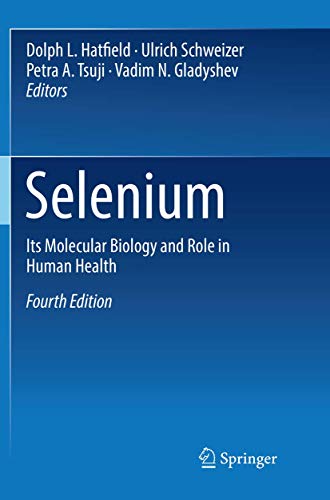
Selenium: Its Molecular Biology and Role in Human Health: Hatfield, Dolph L., Schweizer, Ulrich, Tsuji, Petra A., Gladyshev, Vadim N.
In the current edition, Selenium: Its Molecular Biology and Role in Human Health <strong>expands extensively on the previous editions providing readers with the most significant advances in the rapidl

Life Extension Super Selenium Complex, 200 mcg – 3 Forms of Selenium, Vitamin E – Cellular Health & Longevity Support – Gluten-Free, Non-GMO, Vegetarian, 1 Daily – 100 Capsules
This once-daily selenium supplement <strong>combines vitamin E with three forms of selenium—50 mcg of L-selenomethionine, 50 mcg of sodium selenite, and 100 mcg of Se-Methyl L-Selenocysteine</strong>—
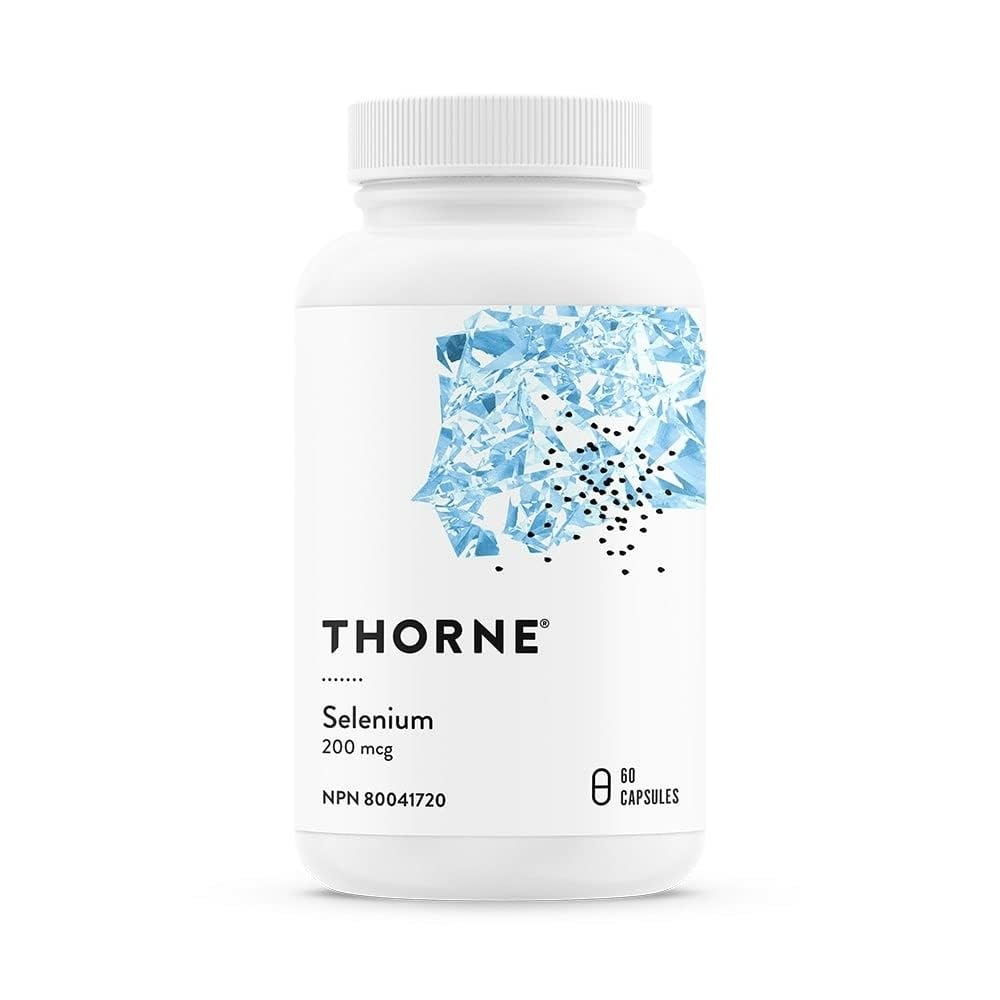
THORNE - Selenium - 200 mcg Selenium Supplement for Antioxidant Support* - 60 Capsules : Everything Else
One Capsule Contains: Selenium (as L-Selenomethionine) 200 mcg.
Evidence & Sources
Promising research with growing clinical support from multiple studies
- National Institutes of Health Office of Dietary Supplements, Selenium Fact Sheet for Health Professionals
- National Center for Biotechnology Information (StatPearls), Selenium Toxicity
- World Health Organization, Trace Elements in Human Nutrition and Health
- National Institute of Diabetes and Digestive and Kidney Diseases (NIDDK), Micronutrients and Nutrition Support Resources
- Lancet
- The American Journal of Clinical Nutrition
- The Journal of Clinical Endocrinology & Metabolism
- NCCIH (National Center for Complementary and Integrative Health)
This content is for informational purposes only and does not constitute medical advice. Always consult a qualified healthcare provider before starting, stopping, or changing any supplement or medication regimen.