

Salivary Cortisol Test
Also known as: Saliva Cortisol, 4-Point Cortisol Test, Diurnal Cortisol Test
Overview
Salivary cortisol testing is a noninvasive laboratory method used to measure free cortisol in saliva, often at several time points across the day. Cortisol is a glucocorticoid hormone produced by the adrenal glands under regulation of the hypothalamic-pituitary-adrenal (HPA) axis, and it follows a recognizable circadian rhythm: levels are typically highest in the early morning, rise sharply after waking in what is often called the cortisol awakening response, and gradually decline toward nighttime. Because saliva reflects the unbound, biologically active fraction of cortisol rather than total circulating cortisol, salivary sampling has become an important tool in both research and clinical endocrinology.
In conventional practice, salivary cortisol is most established for screening hypercortisolism, particularly through late-night salivary cortisol testing in the evaluation of Cushing syndrome. Multi-sample salivary cortisol panels are also widely used in research to examine stress physiology, sleep disruption, shift work, psychiatric conditions, and the functioning of the HPA axis under chronic stress. In integrative and functional medicine settings, these panels are commonly discussed in relation to diurnal cortisol slope, stress resilience, fatigue, and so-called adrenal dysregulation. However, the interpretation of these broader applications remains more debated than the test’s role in diagnosing established endocrine disorders.
Interest in salivary cortisol testing has grown because sample collection is relatively simple, can be done at home, and allows repeated measurements that capture hormonal fluctuations over time. Studies suggest that timing, sleep schedule, medication exposure, tobacco use, food contamination, oral health, and acute stress around sample collection can all influence results. For that reason, the value of the test depends heavily on careful collection methods and interpretation within the larger clinical picture rather than in isolation.
From a broader health perspective, salivary cortisol sits at the intersection of endocrinology, sleep medicine, psychiatry, behavioral medicine, and integrative care. It may help illuminate how the body’s stress-response system is functioning, but research also indicates that cortisol patterns are complex and not always specific to a single diagnosis. As with many biomarker-based assessments, salivary cortisol testing is generally most informative when interpreted by a qualified healthcare professional in the context of symptoms, history, medications, sleep patterns, and, when appropriate, other laboratory findings.
Medical Perspectives
Two Ways of Seeing Health

Western
scientific · clinical
Western medicine applies science, technology, and clinical experience to treat symptoms through testing, diagnosis, and targeted intervention.

Eastern
traditional · alternative
Eastern medicine focuses on treating the body naturally by applying traditional knowledge practiced for thousands of years, emphasizing balance and whole-person wellness.
Gold Bamboo presents both perspectives side-by-side so you can make informed decisions. We don't advocate for one over the other — your health choices are yours.
Western Medicine Perspective
Western Medicine Perspective
In conventional medicine, salivary cortisol testing is best validated for specific endocrine questions, especially the evaluation of Cushing syndrome. Major endocrine guidelines recognize late-night salivary cortisol as one of the standard first-line screening tests because cortisol secretion in healthy individuals normally falls at night; a loss of this nighttime decline can suggest hypercortisolism. Salivary testing may also be used in selected settings to study circadian rhythm disruption, assess cortisol awakening response in research, or complement other endocrine investigations such as serum cortisol, urinary free cortisol, or dexamethasone suppression testing.
Beyond endocrinology, research has examined salivary cortisol in relation to chronic stress, depression, PTSD, insomnia, burnout, obesity, cardiovascular risk, and inflammatory conditions. Studies indicate associations between altered diurnal cortisol patterns and these states, but findings are often heterogeneous. A flattened diurnal slope, elevated evening cortisol, or altered awakening response may correlate with stress-related physiology, yet these patterns are not sufficiently specific to diagnose most conditions on their own. Conventional clinicians therefore tend to view multi-point salivary cortisol as a contextual biomarker rather than a stand-alone diagnostic tool for generalized “adrenal fatigue,” a term that is not recognized as an established medical diagnosis by major endocrine organizations.
From an analytical standpoint, western medicine emphasizes pre-analytic and biologic variability. Results can be affected by collection timing, shift work, sleep deprivation, licorice exposure, steroid medications, oral contraceptives, smoking, vigorous exercise, and contamination with blood from gum disease or oral injury. Laboratories may use immunoassays or liquid chromatography-mass spectrometry methods, which can differ in specificity. For these reasons, interpretation is generally tied to validated reference ranges, the exact collection schedule, and the clinical question being asked.
Eastern & Traditional Perspective
Eastern / Traditional Medicine Perspective
In traditional and integrative systems, salivary cortisol testing is often viewed less as a disease-defining tool and more as a window into the body’s stress adaptation patterns. Practitioners in naturopathic and integrative medicine may use multi-point salivary cortisol profiles to explore how chronic stress, irregular sleep, overwork, recovery capacity, and autonomic imbalance might be affecting overall function. Within this framework, the test is sometimes discussed alongside concerns such as fatigue, nonrestorative sleep, mood changes, and reduced resilience. While this interpretive style is popular in holistic care, the degree to which these cortisol patterns map neatly onto clinical syndromes remains an active area of debate.
In Traditional Chinese Medicine (TCM), there is no direct historical equivalent to cortisol as a biomarker, but modern practitioners may relate altered cortisol rhythms to broader functional patterns such as disturbances of Shen, imbalance between Kidney and Adrenal-related vitality concepts, or disruption of the daily ebb and flow of qi. Sleep difficulty, feeling “wired but tired,” and exhaustion after prolonged stress may be interpreted through pattern-based frameworks rather than laboratory endocrinology alone. Salivary cortisol may therefore be used by some contemporary integrative TCM practitioners as a modern adjunct that complements, rather than replaces, traditional assessment methods such as pulse, tongue, sleep patterns, digestion, and emotional state.
In Ayurveda, cortisol testing may be interpreted through the lens of disturbed dosha balance, particularly when chronic stress, irregular routines, poor sleep, and depletion-like states are present. Elevated evening cortisol, for example, may be conceptually associated by some practitioners with aggravated Vata or dysregulated daily rhythm. As in TCM, these parallels are modern interpretive bridges rather than classical one-to-one correspondences. Traditional systems generally place greater emphasis on the overall pattern of imbalance and the person’s lived experience than on a single laboratory value.
Across eastern and traditional frameworks, salivary cortisol is often appreciated as a potentially useful adjunctive data point for understanding stress physiology, but not as a complete explanation of complex symptoms. Balanced integrative interpretation generally acknowledges that traditional diagnostic systems and modern hormone testing arise from different medical models and are not always directly interchangeable.
Supplements & Products
Recommended Products
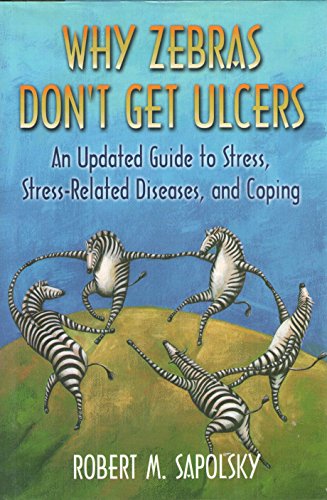
Why Zebras Don't Get Ulcers: An Updated Guide to Stress, Stress Related Diseases, and Coping (2nd Edition): Sapolsky, Robert M.
In a fascinating look at the science of stress, biologist Robert Sapolsky presents an intriguing case, that <strong>people develop such diseases partly because our bodies aren't designed for the
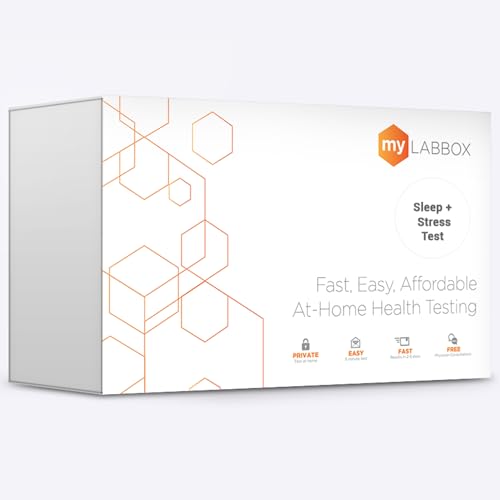
myLAB Box at Home Sleep & Stress Test - Monitor Melatonin & Cortisol Levels Easily with Hormone Test Kit for Women & Men - Simple Saliva Sample - CLIA Certified Labs
Easy Sample Collection - <strong>Your kit includes the oral swabs you'll need for the saliva test with user-friendly instructions, and video and PDF guides</strong>, so you can easily collect you
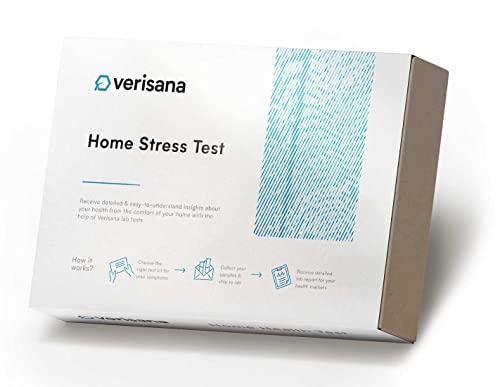
Home Stress Test – Saliva Test Kit for Daily Cortisol Levels – 4 Cortisol Levels Throughout the Day– CLIA Certified Lab – Verisana
Hence you receive a so called ‘daily profile’ which <strong>shows the development of your cortisol values throughout the day</strong>. Test procedure You receive your test kit, collect your samples fr
Evidence & Sources
Promising research with growing clinical support from multiple studies
- Endocrine Society Clinical Practice Guideline on the Diagnosis of Cushing's Syndrome
- Journal of Clinical Endocrinology & Metabolism
- NCCIH (National Center for Complementary and Integrative Health)
- National Institute of Diabetes and Digestive and Kidney Diseases (NIDDK)
- Psychoneuroendocrinology
- Endocrine Reviews
- Cleveland Clinic Journal of Medicine
- World Health Organization
This content is for informational purposes only and does not constitute medical advice. Always consult a qualified healthcare provider before starting, stopping, or changing any supplement or medication regimen.