

Resting Heart Rate
Also known as: RHR, Resting Pulse, Resting Pulse Rate
Overview
Resting heart rate (RHR) refers to the number of times the heart beats per minute while the body is at rest, typically measured after a period of calm sitting or upon waking. It is one of the simplest vital signs and offers a useful window into cardiovascular function, autonomic nervous system activity, physical conditioning, stress physiology, and overall recovery status. In adults, resting heart rate often falls within a broad normal range, but meaningful interpretation depends on age, fitness level, medications, sleep quality, hydration, illness, and other individual factors.
From a health assessment perspective, resting heart rate is valued because it is easy to measure, inexpensive, and responsive to changes in physiology. Lower resting rates are often seen in well-conditioned individuals, especially endurance-trained athletes, while higher resting rates may be associated with deconditioning, emotional stress, pain, fever, stimulant use, poor sleep, overtraining, or certain medical conditions. Research has also linked persistently elevated resting heart rate with increased risk of cardiovascular events and all-cause mortality in some populations, making it relevant not only for fitness tracking but also for broader risk assessment.
In integrative and lifestyle-oriented care, resting heart rate is often interpreted alongside other markers such as blood pressure, heart rate variability, sleep quality, exercise tolerance, blood glucose regulation, and perceived stress. It is not a diagnosis by itself, but it can serve as a practical biomarker of how the body is adapting to internal and external demands. Day-to-day changes may reflect recovery from exercise, shifts in mental stress, infection, alcohol intake, or circadian disruption.
Because resting heart rate is influenced by many variables, it is most meaningful when considered in context and over time rather than as a single isolated number. Consistent trends, particularly if accompanied by symptoms such as dizziness, palpitations, shortness of breath, chest discomfort, or unusual fatigue, warrant medical evaluation. As with many health indicators, interpretation is strongest when combined with clinical history, physical examination, and professional assessment.
Medical Perspectives
Two Ways of Seeing Health

Western
scientific · clinical
Western medicine applies science, technology, and clinical experience to treat symptoms through testing, diagnosis, and targeted intervention.

Eastern
traditional · alternative
Eastern medicine focuses on treating the body naturally by applying traditional knowledge practiced for thousands of years, emphasizing balance and whole-person wellness.
Gold Bamboo presents both perspectives side-by-side so you can make informed decisions. We don't advocate for one over the other — your health choices are yours.
Western Medicine Perspective
Western Medicine Perspective
In conventional medicine, resting heart rate is understood as a reflection of the balance between the sympathetic and parasympathetic branches of the autonomic nervous system, as well as intrinsic cardiac pacing and circulatory demand. A lower resting heart rate often corresponds to greater vagal tone and cardiovascular efficiency, while a higher rate can reflect increased sympathetic activation, reduced fitness, systemic stress, medication effects, endocrine influences, or underlying disease. Clinicians evaluate resting heart rate as part of routine vital signs and may consider it in relation to blood pressure, rhythm regularity, exercise capacity, and symptoms.
A substantial body of epidemiologic research suggests that higher resting heart rate is associated with elevated cardiovascular risk and mortality, even after adjustment for some traditional risk factors. Studies indicate that elevated RHR may correlate with hypertension, metabolic syndrome, insulin resistance, inflammation, and poorer cardiorespiratory fitness. At the same time, conventional medicine recognizes that a lower resting heart rate is not always benign; in some settings it may reflect conduction abnormalities, medication effects, or symptomatic bradycardia, especially when accompanied by fatigue, lightheadedness, or fainting.
Clinical evaluation of abnormal resting heart rate may involve assessment for arrhythmias, thyroid disease, anemia, infection, dehydration, medication use, sleep disorders, and structural heart disease. Measurement methods can include manual pulse counting, electrocardiography, ambulatory monitors, and consumer wearables, although accuracy can vary by device and situation. In preventive medicine, resting heart rate is increasingly viewed as a useful adjunct marker within broader cardiovascular and lifestyle assessment rather than a standalone diagnostic endpoint.
Conventional approaches generally focus on identifying underlying causes and understanding whether the rate is a normal physiologic variant or part of a larger medical picture. For that reason, interpretation is typically individualized, particularly in athletes, older adults, and people with known cardiovascular conditions.
Eastern & Traditional Perspective
Eastern/Traditional Medicine Perspective
In Traditional Chinese Medicine (TCM), the pulse is a central diagnostic tool, but its meaning extends beyond beats per minute. Practitioners traditionally assess rate, depth, strength, rhythm, and quality at multiple pulse positions, interpreting these findings in relation to patterns involving Qi, Blood, Yin, Yang, Heat, Cold, and organ system balance. A relatively rapid resting pulse may be interpreted, depending on the full pattern, as associated with Heat, excess activity, emotional agitation, or Yin deficiency, while a slower pulse may be associated with Cold patterns, Yang deficiency, or reduced metabolic vigor. In this framework, pulse findings are not viewed in isolation but are integrated with sleep, digestion, mood, tongue findings, energy, and constitutional tendencies.
In Ayurveda, pulse assessment is likewise contextual and often considered alongside signs of dosha balance—Vata, Pitta, and Kapha—as well as digestive strength, mental state, and tissue vitality. A faster pulse may be discussed in connection with heightened Pitta or aggravated Vata in certain presentations, whereas a slower, heavier pulse may be interpreted differently depending on constitution and systemic patterns. These interpretations are rooted in traditional theory and are not equivalent to biomedical diagnosis, but they illustrate how resting heart rhythm and tempo have long been used as indicators of overall balance.
Naturopathic and integrative traditions often view resting heart rate as a practical marker of stress load, recovery capacity, and resilience. Within these frameworks, shifts in resting heart rate may be discussed in relation to sleep disruption, stimulant exposure, emotional strain, training load, inflammation, or insufficient restoration. Breathing practices, meditation, mind-body therapies, and lifestyle regulation are commonly explored in traditional and integrative systems as ways of supporting autonomic balance, although the strength of evidence varies depending on the intervention and population studied.
Across Eastern and traditional systems, the key emphasis is that heart rate reflects whole-person regulation rather than only cardiac mechanics. While these traditions offer rich interpretive models, persistent changes in resting heart rate or pulse quality—particularly when paired with concerning symptoms—are best evaluated with qualified healthcare professionals, including conventional medical assessment when appropriate.
Supplements & Products
Recommended Products

Heart Breath Mind: Train Your Heart to Conquer Stress and Achieve Success: Lagos, Leah
Stress is not in your head, it’s in your body―this is the key to peak performance that Leah Lagos, PsyD, BCB, an internationally known expert in biofeedback and sport and performance psychology, wants

Fitbit Charge 6 Fitness Tracker with Google apps, Heart Rate on Exercise Equipment, 6-Months Premium Membership Included, GPS, Health Tools and More, Obsidian/Black, One Size (S & L Bands Included)
Fitbit Charge 6 Fitness Tracker with Heart Rate, GPS, Obsidian
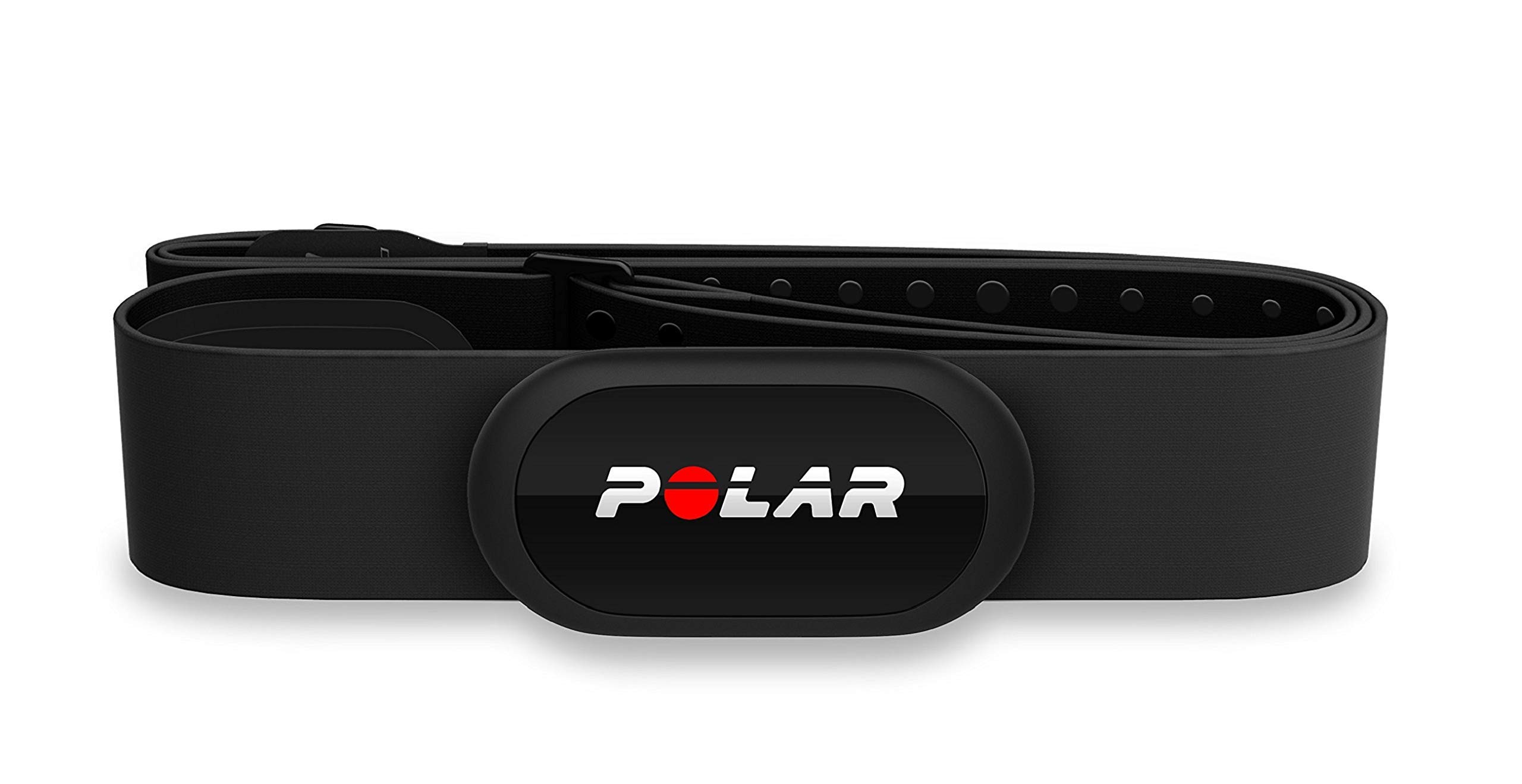
Polar H10 Heart Rate Monitor Chest Strap - ANT + Bluetooth, Waterproof HR Sensor for Men and Women : Everything Else
CONNECTIVITY: Bluetooth, ANT plus and 5 kHz provide an excellent variety of connection options. <strong>You can use Bluetooth and ANT plus connections simultaneously as well as two Bluetooth connectio
Evidence & Sources
Supported by multiple clinical trials and systematic reviews
- American Heart Association
- European Heart Journal
- JAMA
- Circulation
- National Center for Complementary and Integrative Health (NCCIH)
- World Health Organization
- Mayo Clinic Proceedings
- Journal of the American College of Cardiology
This content is for informational purposes only and does not constitute medical advice. Always consult a qualified healthcare provider before starting, stopping, or changing any supplement or medication regimen.