

Progesterone Test
Also known as: Luteal Phase Test, Female Hormone Evaluation
Overview
A progesterone test is a laboratory blood test that measures the level of the hormone progesterone, a key regulator of the menstrual cycle, ovulation, implantation, and early pregnancy. Progesterone is produced mainly by the corpus luteum after ovulation and, during pregnancy, increasingly by the placenta. Because progesterone levels rise and fall across the menstrual cycle, testing can help clarify whether ovulation likely occurred, whether the luteal phase appears hormonally adequate, and how hormone patterns may relate to fertility concerns, irregular bleeding, or amenorrhea.
In clinical practice, progesterone testing is commonly used as part of a broader evaluation rather than as a stand-alone answer. A single blood level is often interpreted alongside cycle timing, menstrual history, symptoms, ultrasound findings, and other hormone tests such as luteinizing hormone (LH), follicle-stimulating hormone (FSH), estradiol, prolactin, or thyroid markers. In pregnancy-related settings, progesterone may also be measured when clinicians are evaluating early pregnancy viability, bleeding, or concern for ectopic pregnancy, although interpretation depends heavily on context.
The significance of the test lies in progesterone’s role as a marker of ovulatory function and endometrial preparation. Research and clinical guidelines indicate that progesterone measurement can provide useful information about whether ovulation likely took place and can support assessment of some infertility and menstrual disorders. However, levels can fluctuate substantially within a single day and across the cycle, so the timing of the test is crucial. For that reason, the result is generally considered one piece of a larger hormonal and reproductive picture rather than a definitive diagnosis by itself.
From a broader integrative perspective, progesterone testing may also be discussed in relation to patterns such as cycle irregularity, stress-related hormonal disruption, perimenopausal transition, or recurrent pregnancy concerns. Conventional medicine focuses on measurable endocrine function and reproductive physiology, while traditional systems tend to interpret the same symptoms through larger functional patterns involving vitality, nourishment, stress, and cyclical balance. These frameworks differ, but both view menstrual regularity and reproductive health as meaningful indicators of overall well-being.
Medical Perspectives
Two Ways of Seeing Health

Western
scientific · clinical
Western medicine applies science, technology, and clinical experience to treat symptoms through testing, diagnosis, and targeted intervention.

Eastern
traditional · alternative
Eastern medicine focuses on treating the body naturally by applying traditional knowledge practiced for thousands of years, emphasizing balance and whole-person wellness.
Gold Bamboo presents both perspectives side-by-side so you can make informed decisions. We don't advocate for one over the other — your health choices are yours.
Western Medicine Perspective
Western Medicine Perspective
In conventional medicine, progesterone testing is primarily understood as a tool for assessing ovulation, luteal phase function, and pregnancy-related hormone status. After ovulation, progesterone normally rises as the corpus luteum forms, making a mid-luteal blood level a common method for confirming that ovulation likely occurred. In infertility workups, irregular menstrual cycles, suspected anovulation, or possible ovulatory disorders such as polycystic ovary syndrome (PCOS), progesterone is often interpreted with other clinical data rather than in isolation. Studies and guidelines suggest that a single serum progesterone value can be clinically useful, but its meaning depends strongly on when in the cycle it is obtained.
In pregnancy care, progesterone may be measured when evaluating early pregnancy bleeding, uncertain pregnancy location, or possible miscarriage risk. Research indicates that very low progesterone levels in early pregnancy can be associated with nonviable pregnancy, though the test alone does not establish the cause and is not universally used as a routine screening tool in all pregnancies. Clinicians may also consider progesterone testing in the context of assisted reproduction, ovulation induction, or monitoring certain fertility treatments.
Important limitations exist. Progesterone secretion is pulsatile, and blood concentrations can vary significantly over short intervals. This means one normal or abnormal result may not fully capture ovarian function. In addition, there is ongoing debate in reproductive medicine about how best to define concepts such as luteal phase deficiency, and whether serum progesterone alone can reliably diagnose it. As a result, conventional interpretation generally emphasizes correlation with menstrual timing, symptoms, ultrasound evidence of ovulation, and broader endocrine assessment.
Eastern & Traditional Perspective
Eastern/Traditional Medicine Perspective
Traditional medical systems do not typically use the term progesterone deficiency in the modern biochemical sense, but they often recognize symptom patterns that overlap with the reasons progesterone testing is ordered. In Traditional Chinese Medicine (TCM), irregular cycles, scant bleeding, infertility, repeated spotting, or difficulty sustaining pregnancy may be interpreted through patterns involving the Kidneys, Liver, Spleen, and Chong/Ren meridians. For example, reproductive weakness may be associated with Kidney deficiency, while cycle disruption may also be linked to Liver qi stagnation or Blood deficiency. A laboratory progesterone value would generally be viewed as one modern data point that may complement, rather than replace, pattern-based assessment.
In Ayurveda, menstrual irregularity and fertility concerns may be considered in terms of balance among the doshas, especially disruptions involving Vata, tissue nourishment, and reproductive vitality sometimes associated with Shukra dhatu and broader endocrine-like function. Low vitality, stress, poor digestion, and depletion are often discussed as contributors to cycle instability. From this perspective, a progesterone test can offer a measurable marker of reproductive timing or ovulatory status, while the traditional interpretation remains focused on systemic balance rather than a single hormone level.
Naturopathic and integrative frameworks often bridge these views by acknowledging the clinical usefulness of progesterone testing while also considering factors such as stress physiology, sleep, nutrition, inflammation, and menstrual pattern tracking. Traditional systems generally place greater emphasis on the whole-person context and cyclical rhythm. At the same time, most integrative practitioners recognize that laboratory testing can help clarify whether symptoms reflect anovulation, perimenopause, or other hormonal shifts that may warrant conventional medical evaluation. Consultation with qualified healthcare professionals is important when interpreting both symptoms and test results.
Supplements & Products
Recommended Products
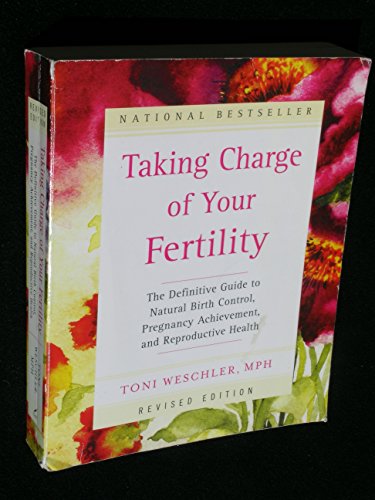
Taking Charge of Your Fertility: The Definitive Guide to Natural Birth Control, Pregnancy Achievement, and Reproductive Health
Since the publication of Taking Charge of your Fertility two decades ago, Toni Weschler has taught a whole new generation of women how to become pregnant, avoid pregnancy naturally and gain better con

Proov PdG Test Strips for Women - 5 Progesterone Test Strips - Confirm Successful Ovulation at Home - 1 Cycle Pack - Fertility Tracker - Compatible with Fertility, Pregnancy & Ovulation Tests
Our progesterone test strips <strong>measure PdG to confirm levels stay elevated and maximize your pregnancy chances</strong>. YOUR MISSING PIECE IN THE FERTILITY JOURNEY: Bridge the gap between ovula
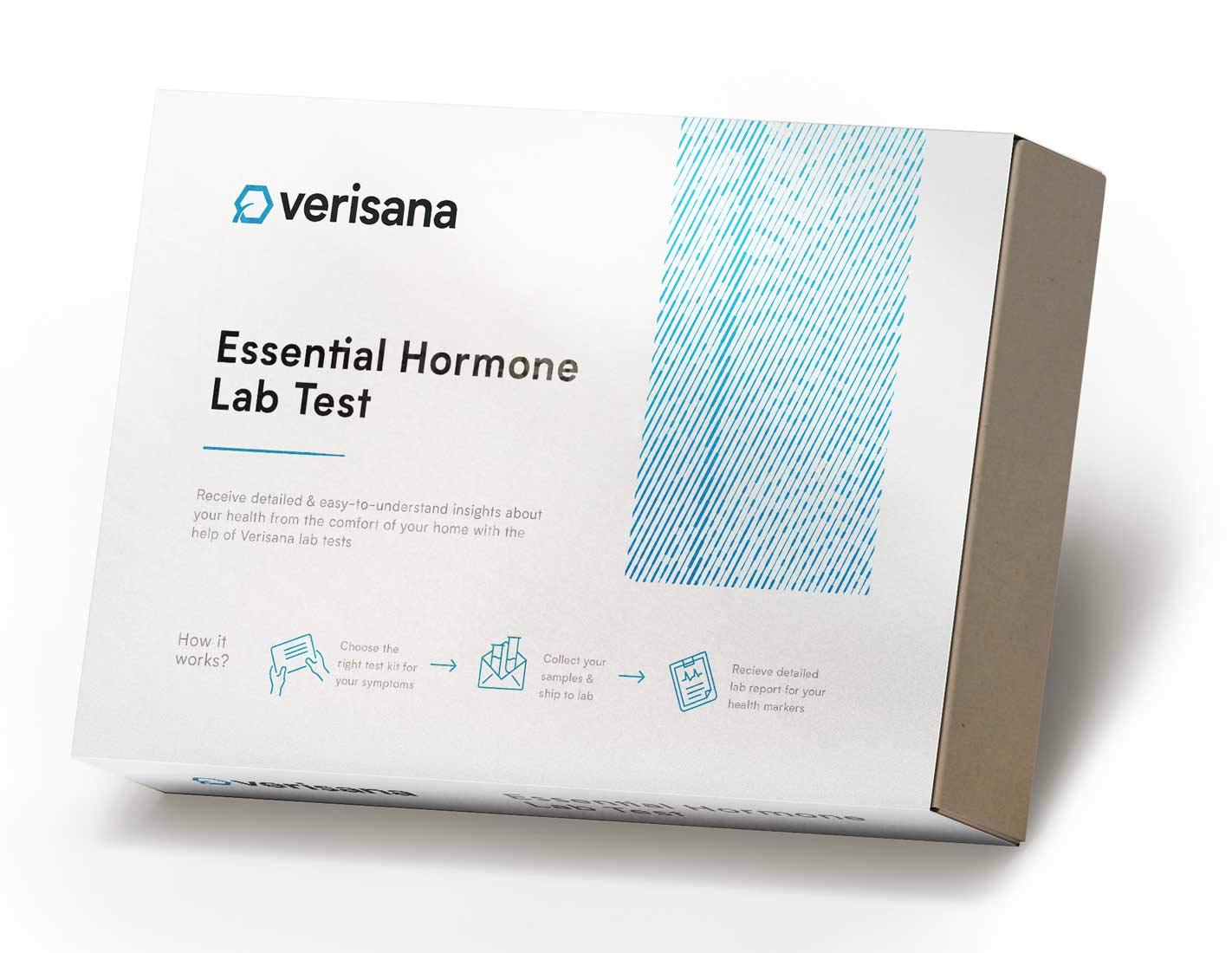
Essential Hormone Test – Check 3 Vital Hormones (E2, Pg & T) with a Simple Saliva Sample– at
Amazon.com: Essential Hormone Test – Check 3 Vital Hormones (E2, Pg & T) with a Simple Saliva Sample– at-Home Test Kit – Verisana : Industrial & Scientific
Evidence & Sources
Supported by multiple clinical trials and systematic reviews
- American College of Obstetricians and Gynecologists (ACOG)
- American Society for Reproductive Medicine (ASRM)
- MedlinePlus, U.S. National Library of Medicine
- Mayo Clinic Laboratories
- StatPearls Publishing
- New England Journal of Medicine
- Fertility and Sterility
- National Center for Complementary and Integrative Health (NCCIH)
This content is for informational purposes only and does not constitute medical advice. Always consult a qualified healthcare provider before starting, stopping, or changing any supplement or medication regimen.