

Pharmacogenomics Test
Also known as: PGx Testing, Genetic Drug Sensitivity Test
Overview
A pharmacogenomics test is a laboratory test that examines selected genetic variants linked to how the body processes, transports, or responds to medications. The goal is to identify inherited differences that may help explain why one person experiences strong benefit from a standard dose, while another has limited response or a higher risk of side effects. In this sense, pharmacogenomics sits at the intersection of genetics, pharmacology, and personalized medicine.
These tests often analyze genes involved in drug metabolism enzymes, drug transporters, and medication targets. Common examples include genes in the CYP450 family such as CYP2D6, CYP2C19, and CYP2C9, as well as genes such as VKORC1, SLCO1B1, TPMT, DPYD, and certain HLA variants. Depending on the medication, genetic differences may influence how quickly a drug is activated or cleared, whether drug levels rise too high or stay too low, or whether there is increased risk for serious reactions.
Pharmacogenomics testing has become especially relevant in areas such as psychiatry, cardiology, pain management, oncology, infectious disease, and anticoagulation therapy. Research suggests that, for selected drugs with well-characterized gene-drug interactions, test results can help clinicians refine prescribing decisions and reduce avoidable adverse drug events. At the same time, the usefulness of testing varies considerably by medication and clinical setting. Not every drug has a meaningful pharmacogenomic marker, and not every available commercial panel has the same level of clinical validation.
A central idea in modern pharmacogenomics is that genetic information is one factor among many. Age, liver and kidney function, diet, other medications, underlying health conditions, and adherence can all influence drug response. For that reason, pharmacogenomic results are generally interpreted alongside a person’s broader medical context by qualified healthcare professionals. Many organizations also note practical considerations such as test quality, differences among laboratories, insurance coverage, privacy protections, and the need for careful counseling around what the results can and cannot predict.
Medical Perspectives
Two Ways of Seeing Health

Western
scientific · clinical
Western medicine applies science, technology, and clinical experience to treat symptoms through testing, diagnosis, and targeted intervention.

Eastern
traditional · alternative
Eastern medicine focuses on treating the body naturally by applying traditional knowledge practiced for thousands of years, emphasizing balance and whole-person wellness.
Gold Bamboo presents both perspectives side-by-side so you can make informed decisions. We don't advocate for one over the other — your health choices are yours.
Western Medicine Perspective
Western Medicine Perspective
In conventional medicine, pharmacogenomics is viewed as a tool for precision prescribing. The strongest use cases are those in which high-quality evidence and professional guidance clearly connect a specific genetic variant to a clinically meaningful medication response. Examples commonly cited include CYP2C19 and clopidogrel, CYP2C9/VKORC1 and warfarin, SLCO1B1 and simvastatin-associated muscle toxicity, TPMT or NUDT15 and thiopurines, DPYD and fluoropyrimidines, and certain HLA markers associated with severe hypersensitivity reactions.
Clinical implementation in Western settings is often guided by organizations such as the Clinical Pharmacogenetics Implementation Consortium (CPIC), the U.S. Food and Drug Administration (FDA), and specialty societies. These groups publish gene-drug guidance describing when genetic information may be relevant to prescribing, dose selection, or risk mitigation. Research indicates that pharmacogenomics is most established when there is a direct and reproducible association between genotype and a medication’s safety or effectiveness, along with practical guidance on how to interpret the result.
At the same time, conventional medicine recognizes important limitations. Many commercial tests evaluate large panels of genes even though evidence strength differs across gene-drug pairs. For some applications—particularly broad panel testing in psychiatry—studies have shown mixed results, and experts continue to debate how much benefit comes from the genetic component versus other clinical factors. In addition, genotype does not always translate perfectly into real-world drug response, because concurrent medications, organ function, and environmental influences may alter the expected phenotype.
From a Western clinical perspective, pharmacogenomics is therefore best understood as a decision-support tool rather than a standalone answer. It may contribute meaningfully in selected scenarios, but interpretation is generally considered most reliable when anchored to specific medications, validated laboratory methods, and established practice guidelines. Consultation with prescribing clinicians, pharmacists, or genetics-informed providers is commonly emphasized when reviewing test findings.
Eastern & Traditional Perspective
Eastern and Traditional Medicine Perspective
Traditional medical systems such as Traditional Chinese Medicine (TCM) and Ayurveda did not develop pharmacogenomic testing in the modern genetic sense, but they have long emphasized that individuals respond differently to therapies based on their constitutional makeup. In TCM, treatment is often tailored according to patterns such as deficiencies, excesses, heat, cold, dampness, and organ-system disharmony. In Ayurveda, concepts such as prakriti describe constitutional tendencies that may influence digestion, resilience, and response to foods, herbs, and environmental stressors. These frameworks reflect a long-standing interest in individualized care, though they arise from very different theoretical models than molecular genetics.
From an integrative perspective, some practitioners view pharmacogenomics as a modern scientific expression of the broader principle that medicine may need to be personalized. Rather than replacing traditional pattern-based assessment, genetic testing may be seen as one additional lens for understanding variability in response to pharmaceuticals. This can be especially relevant when individuals are using both conventional medications and traditional therapies, where safety, metabolism, and potential interactions all warrant careful review.
Naturopathic and integrative medicine communities have also shown interest in pharmacogenomics as part of a whole-person evaluation. Within these settings, test results may be interpreted alongside factors such as nutrition, digestive health, stress, sleep, and environmental exposures. However, evidence supporting the use of pharmacogenomic testing specifically within traditional or holistic frameworks remains limited, and there is little support for using genetic drug-response testing as a substitute for comprehensive clinical assessment.
Overall, the eastern/traditional perspective is less about specific gene-drug algorithms and more about compatibility with the longstanding principle of individualized treatment. While traditional systems can conceptually align with personalized care, pharmacogenomics itself remains a product of contemporary biomedical science, and its role in integrative practice is still evolving. Coordination with qualified healthcare professionals is especially important when combining prescription drugs with herbal or traditional interventions.
Supplements & Products
Recommended Products
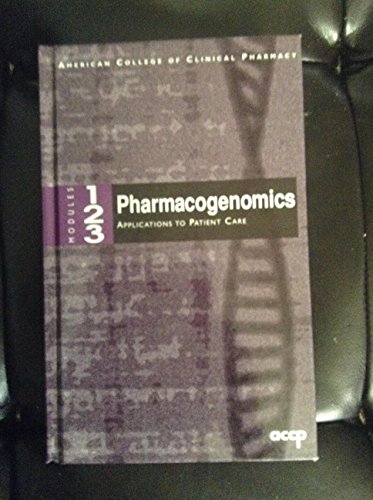
Pharmacogenomics: Applications to Patient Care
An essential resource for understanding the scientific underpinnings of this emerging discipline, Pharmacogenomics: Applications to Patient Care is <strong>designed to prepare pharmacists to integrate
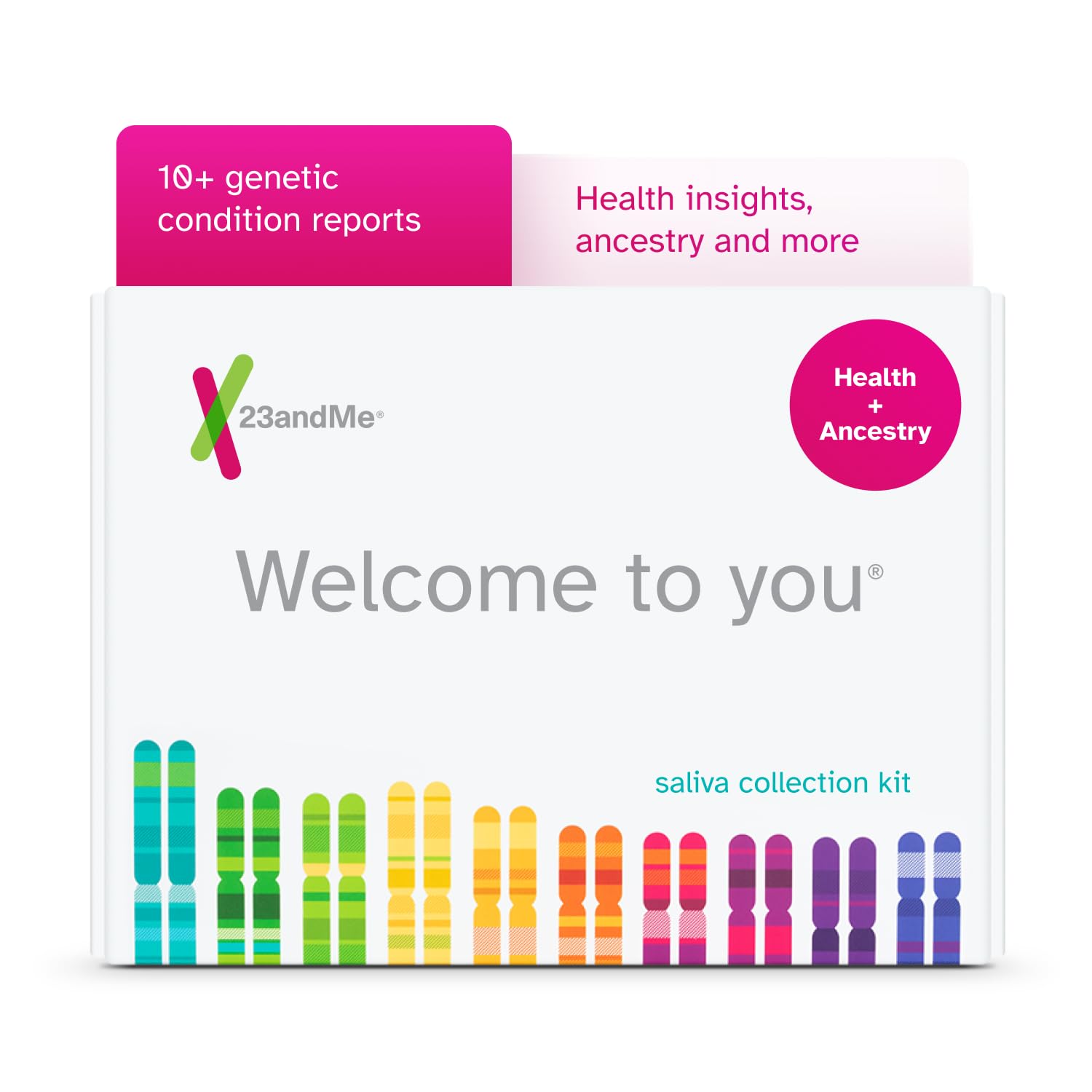
23andMe Health + Ancestry Service: DNA Test Kit, FDA-Authorized Reports, Genetic Test, Health Predispositions, Carrier Status, Family Tree (Before You Buy See Important Test Info Below)
**23andMe PGS Pharmacogenetics reports: The 23andMe test <strong>uses qualitative genotyping to detect 3 variants in the CYP2C19 gene, 2 variants in the DPYD gene and 1 variant in the SLCO1B1 gene in

tellmeGen Advanced DNA Test: 400+ Health, Ancestry, Traits & Fitness Reports - Fees Included - Lifetime Updates
COMPLETE GENETIC ANALYSIS: <strong>Access over 400 detailed reports, including more than 200 related to your health and genetic vulnerabilities</strong>. Obtain information on ancestry, pharmacogeneti
Evidence & Sources
Promising research with growing clinical support from multiple studies
- Clinical Pharmacogenetics Implementation Consortium (CPIC)
- U.S. Food and Drug Administration (FDA) Table of Pharmacogenetic Associations
- National Institutes of Health (NIH) / National Human Genome Research Institute
- National Center for Biotechnology Information (NCBI) PharmGKB
- National Center for Complementary and Integrative Health (NCCIH)
- The New England Journal of Medicine
- JAMA
- The Lancet
- Nature Reviews Genetics
- World Health Organization (WHO)
This content is for informational purposes only and does not constitute medical advice. Always consult a qualified healthcare provider before starting, stopping, or changing any supplement or medication regimen.