

Organic Acids Test
Also known as: OAT, Metabolic Profile Test
Organic Acids Test: What It Measures
The Organic Acids Test (OAT) is a urine-based laboratory assessment that measures dozens of small metabolic byproducts known as organic acids. These compounds are generated through normal human metabolism and, in some cases, through the activity of gut microbes such as bacteria and yeast. Because organic acids reflect processes involving energy production, amino acid metabolism, nutrient cofactors, neurotransmitter pathways, detoxification, and microbial fermentation, the test is often presented as a broad snapshot of metabolic function. In integrative and functional medicine settings, it is commonly discussed in relation to gut dysbiosis, yeast overgrowth, mitochondrial function, and nutritional status.
From a clinical science perspective, organic acid analysis has a well-established role in screening for and helping diagnose certain inborn errors of metabolism, especially in pediatrics and medical genetics. In these contexts, specific patterns of urinary organic acids can be highly meaningful and are interpreted alongside symptoms, blood tests, genetic testing, and clinical history. Outside of these established uses, the test is increasingly marketed for more general wellness questions, such as fatigue, gastrointestinal symptoms, cognitive concerns, or suspected microbial imbalance. This broader use is more controversial, because many markers can be influenced by diet, hydration, medications, supplements, age, and temporary physiologic variation.
A key reason the Organic Acids Test attracts attention is that it attempts to connect multiple body systems through a single specimen. Some panels include markers associated with Clostridia species, Candida-related metabolites, oxalate metabolism, Krebs cycle intermediates, and B-vitamin-dependent pathways. Research suggests that some of these metabolites may correlate with altered microbial activity or metabolic stress, but interpretation is rarely straightforward. A single elevated or low marker does not necessarily indicate disease, and abnormal findings do not always identify a specific cause.
As a result, the OAT occupies two different spaces at once: it is well established in specialized metabolic medicine for select disorders, yet less standardized and less validated for broad functional screening. For patients and practitioners, its value often depends on the clinical question being asked, the quality of the laboratory methods, and whether results are interpreted within a larger medical context rather than in isolation. Healthcare providers often consider symptoms, conventional lab work, and, when relevant, gastroenterology, infectious disease, genetics, or nutrition assessments alongside any urinary organic acid findings.
Medical Perspectives
Two Ways of Seeing Health

Western
scientific · clinical
Western medicine applies science, technology, and clinical experience to treat symptoms through testing, diagnosis, and targeted intervention.

Eastern
traditional · alternative
Eastern medicine focuses on treating the body naturally by applying traditional knowledge practiced for thousands of years, emphasizing balance and whole-person wellness.
Gold Bamboo presents both perspectives side-by-side so you can make informed decisions. We don't advocate for one over the other — your health choices are yours.
Western Medicine Perspective
Western / Conventional Medicine Perspective
In conventional medicine, urinary organic acid analysis is best recognized as a diagnostic tool in the evaluation of inherited metabolic disorders. Hospitals and specialized laboratories use gas chromatography-mass spectrometry (GC-MS) or similar technologies to identify patterns linked to disorders of amino acid metabolism, fatty acid oxidation, and mitochondrial pathways. In newborns, children, and occasionally adults with suggestive symptoms, this testing can provide clinically important information when interpreted by metabolic specialists. In this setting, the medical utility of the test is well supported.
For broader concerns such as gut bacteria imbalance, yeast overgrowth, chronic fatigue, or nutrient deficiency, the conventional view is more cautious. Studies indicate that some urinary metabolites may reflect microbial fermentation or altered host metabolism, but there is limited consensus on diagnostic cutoffs, reproducibility, and clinical validity for many nontraditional applications. Mainstream gastroenterology and internal medicine generally do not rely on commercial OAT panels as standalone tools to diagnose dysbiosis or candidiasis. Instead, clinicians typically prioritize history, physical examination, standard laboratory testing, stool studies when indicated, imaging, endoscopy, and other validated methods depending on the presentation.
Another conventional concern involves specificity. Elevated metabolites sometimes attributed to yeast or bacterial overgrowth may also be influenced by food intake, medication exposure, supplement use, renal handling, or other physiologic factors. Likewise, metabolites associated with mitochondrial function or vitamin status may suggest altered biochemistry without clarifying whether the underlying issue is nutritional, genetic, inflammatory, infectious, or simply transient. For this reason, research and clinical guidelines generally support using urinary organic acids as adjunctive data rather than definitive evidence in most general health scenarios.
When used thoughtfully, the OAT may contribute hypothesis-generating information in complex cases, but conventional medicine places the strongest confidence in its use for defined metabolic indications rather than broad wellness screening. Consultation with qualified healthcare professionals is typically important for determining whether findings are clinically meaningful and whether follow-up testing is warranted.
Eastern & Traditional Perspective
Eastern / Traditional Medicine Perspective
Traditional systems such as Traditional Chinese Medicine (TCM), Ayurveda, and naturopathic medicine do not historically use the Organic Acids Test in their classical diagnostic frameworks. Their traditional assessments are based more on patterns of symptoms, constitution, digestion, energy, elimination, sleep, tongue and pulse findings, and the relationship between lifestyle and environment. However, in contemporary integrative practice, some practitioners use OAT results as a modern biochemical lens that may complement traditional pattern-based assessment.
From an integrative TCM perspective, findings suggestive of poor digestion, microbial imbalance, or impaired energy metabolism may be interpreted alongside patterns sometimes described as Spleen Qi deficiency, Dampness accumulation, Heat, or Liver constraint, depending on the broader presentation. Similarly, Ayurveda may conceptually relate digestive and microbial disturbances to agni imbalance, ama accumulation, or shifts in vata, pitta, and kapha expression. These parallels are interpretive rather than equivalent; an OAT does not diagnose a TCM or Ayurvedic pattern, and a traditional pattern does not map neatly onto a single urinary marker.
In naturopathic and functional traditions, the test is often valued for its attempt to show relationships among gut ecology, nutrient-dependent pathways, oxidative stress, and mitochondrial output. Practitioners in these fields may view the OAT as one piece of a broader systems-based assessment rather than a final answer. This perspective tends to emphasize terrain, resilience, and interconnected physiology, while also acknowledging that lab markers are affected by context and require careful interpretation.
Across traditional and integrative frameworks, the main theme is pattern recognition rather than isolated numbers. Even when modern lab data are incorporated, experienced practitioners generally consider them alongside diet, stress, sleep, constitution, environmental exposures, and symptom history. Because evidence for many expanded OAT interpretations remains limited, balanced integrative care often involves collaboration with licensed healthcare professionals and appropriate use of conventional evaluation when symptoms are significant or persistent.
Supplements & Products
Recommended Products

Laboratory Evaluations for Integrative and Functional Medicine: Lord, Richard S.
Integrative and Functional Medicine Approach to Basic and Advanced Laboratory Interpretation: Clinician's Desk Reference
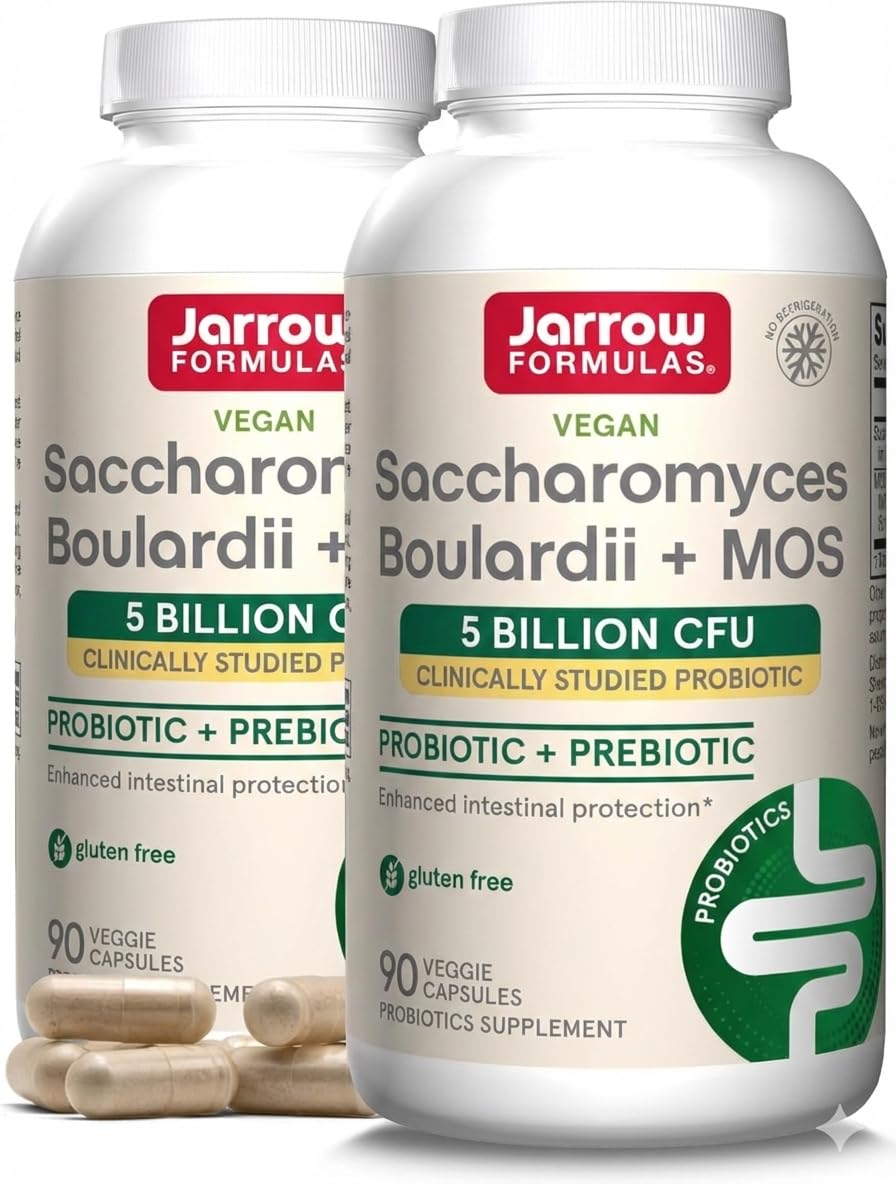
Jarrow Formulas Saccharomyces Boulardii + MOS Probiotics for Digestive Health and Intestinal Tract Support - 5 Billion CFU Per Serving - 90 Delayed Release Caps - Probiotic + Prebiotic - 90 Servings
<strong>Each capsule delivers 5 billion CFU of Saccharomyces boulardii, a probiotic yeast shown to help support gut health and the intestinal tract</strong>.(1) This supplement also provides MOS (mann
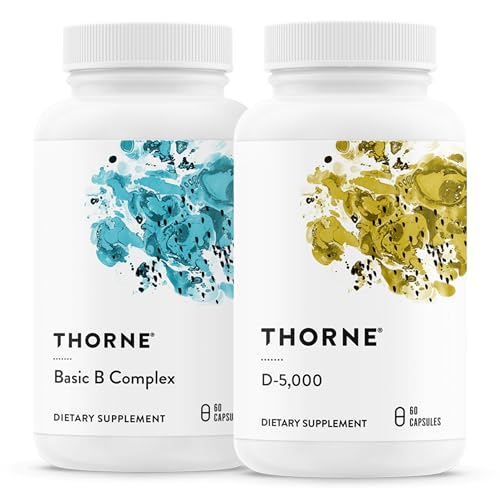
THORNE - Basic B-Complex - Tissue-Ready Vitamin B Complex Supplement with Choline - Supports Cellular Energy Production, Brain Health & Red Blood Cell Formation* - Gluten-Free - 60 Servings
One Capsule Contains: Thiamin (as ... from L-5-Methyltetrahydrofolic Acid, Glucosamine Salt) 667 mcg DFE, <strong>Vitamin B12 (as Methylcobalamin) 400 mcg</strong>, Biotin 400 mcg, Pantothenic Acid (a
Evidence & Sources
Promising research with growing clinical support from multiple studies
- National Institutes of Health (NIH) - Organic Acidemias / Genetic Metabolic Disorders resources
- GeneReviews
- American College of Medical Genetics and Genomics (ACMG)
- ARUP Consult - Organic Acidemias
- Journal of Inherited Metabolic Disease
- Clinical Chemistry
- Frontiers in Cellular and Infection Microbiology
- NCCIH (National Center for Complementary and Integrative Health)
This content is for informational purposes only and does not constitute medical advice. Always consult a qualified healthcare provider before starting, stopping, or changing any supplement or medication regimen.