

Oral Glucose Tolerance Test
Also known as: OGTT, Glucose Tolerance Test, 2 Hour Glucose Test
Overview
The Oral Glucose Tolerance Test (OGTT) is a laboratory test that evaluates how the body manages a measured dose of glucose over time. After a fasting blood sample is collected, a person drinks a standardized glucose solution, and blood sugar is checked at set intervals—most commonly at 1 and 2 hours, though some protocols include additional measurements such as insulin levels. Because it challenges the body’s glucose-regulating system rather than capturing only a single moment in time, the OGTT can detect abnormalities that may not appear on a routine fasting glucose test.
Clinically, the OGTT is most often associated with the diagnosis of prediabetes, type 2 diabetes, and gestational diabetes mellitus (GDM). It is also sometimes used in broader metabolic workups when clinicians want a more dynamic picture of insulin response, glucose clearance, or symptoms that seem related to swings in blood sugar. In pregnancy, the test has particular importance because impaired glucose handling can affect both maternal and fetal health, and screening strategies are built around identifying these changes early.
The test is especially valued because glucose metabolism exists on a spectrum. Some people have normal fasting glucose yet show abnormal post-meal or post-challenge glucose levels, which may reflect early insulin resistance or impaired glucose tolerance. In this sense, the OGTT can reveal a pattern of dysglycemia that is more subtle than overt diabetes but still relevant to long-term cardiometabolic risk. Research has linked impaired glucose tolerance to higher risk for progression to diabetes, cardiovascular disease, and pregnancy-related complications.
At the same time, the OGTT has limitations. Results can be influenced by recent diet, illness, physical activity, medications, sleep disruption, stress, and laboratory protocol. The test is more time-intensive than fasting blood work or hemoglobin A1c, and interpretation depends on the specific reason it was ordered. For that reason, the OGTT is best understood as one tool within a broader clinical assessment, interpreted by a qualified healthcare professional in the context of symptoms, history, and other laboratory findings.
Medical Perspectives
Two Ways of Seeing Health

Western
scientific · clinical
Western medicine applies science, technology, and clinical experience to treat symptoms through testing, diagnosis, and targeted intervention.

Eastern
traditional · alternative
Eastern medicine focuses on treating the body naturally by applying traditional knowledge practiced for thousands of years, emphasizing balance and whole-person wellness.
Gold Bamboo presents both perspectives side-by-side so you can make informed decisions. We don't advocate for one over the other — your health choices are yours.
Western Medicine Perspective
Western Medicine Perspective
In conventional medicine, the OGTT is understood as a functional test of glucose homeostasis. It examines the coordinated response of the intestine, pancreas, liver, muscles, fat tissue, and hormonal signaling systems after a defined glucose load. A normal result reflects effective insulin secretion and insulin sensitivity, allowing blood glucose to rise and then return toward baseline within an expected timeframe. Abnormal results may suggest impaired glucose tolerance, diabetes, or, in pregnancy, gestational diabetes. In some expanded protocols, insulin measurements are added to explore patterns consistent with hyperinsulinemia or insulin resistance, though these are not part of every standard diagnostic test.
The OGTT remains an important diagnostic tool in specific settings. Major organizations such as the American Diabetes Association (ADA) and World Health Organization (WHO) include it among accepted methods for diagnosing disorders of glucose metabolism. In pregnancy, obstetric guidelines often use either a one-step or two-step approach involving oral glucose loading to identify gestational diabetes. Studies indicate that post-challenge glucose values can predict metabolic risk even when fasting glucose is normal, which is one reason the test continues to be used despite the convenience of A1c and fasting labs.
From a practical standpoint, conventional clinicians also recognize the test’s constraints. Reproducibility can vary, and factors such as acute illness, gastrointestinal absorption, medications like corticosteroids, and differences in pre-test carbohydrate intake may alter results. For symptoms attributed to so-called reactive hypoglycemia, interpretation can be especially nuanced, as symptoms and glucose values do not always correlate cleanly, and not all post-meal symptoms reflect a true hypoglycemic disorder. As a result, the OGTT is generally viewed as a targeted diagnostic study rather than a universal screening tool, and results are interpreted alongside clinical context rather than in isolation.
Eastern & Traditional Perspective
Eastern and Traditional Medicine Perspective
In Traditional Chinese Medicine (TCM) and related East Asian systems, laboratory tests like the OGTT are not historically part of the classical diagnostic framework, but their findings can be incorporated into modern integrative assessment. Rather than focusing solely on glucose numbers, TCM traditionally interprets symptoms through patterns such as Yin deficiency, Qi deficiency, Dampness, Phlegm accumulation, or internal heat, particularly when presentations include thirst, fatigue, excessive hunger, weight changes, or frequent urination. In contemporary integrative settings, an abnormal OGTT may be seen as a biomedical marker that complements pattern differentiation rather than replacing it.
Classical Chinese medicine has long described a syndrome often translated as "wasting-thirst" (Xiao Ke), associated with excessive thirst, hunger, urination, and depletion. Although Xiao Ke is not identical to modern diabetes or prediabetes, scholars and practitioners often discuss overlaps between the two. From this perspective, a disturbed response to a glucose challenge may be interpreted as part of a broader imbalance involving digestion, fluid metabolism, constitutional weakness, stress, and dietary excess. Treatment traditions historically emphasized restoring systemic balance rather than targeting a single lab parameter.
In Ayurveda, altered glucose regulation is often discussed in relation to Prameha and, in more advanced states, Madhumeha, with attention to digestive function, tissue metabolism, and doshic imbalance—especially Kapha dysregulation, impaired agni, and metabolic stagnation. Naturopathic and other traditional systems similarly tend to view abnormal glucose handling as a whole-body process influenced by diet, sleep, stress, physical activity, and constitutional factors. These systems may consider OGTT findings useful as modern diagnostic data while still framing the underlying issue in broader metabolic and energetic terms.
The evidence base for using traditional medical frameworks to interpret OGTT abnormalities is more limited than the evidence supporting the test itself. Integrative practitioners may use OGTT results to track metabolic function while also applying individualized traditional assessments. Because these interpretive models arise from different medical paradigms, meaningful use generally depends on careful coordination with licensed healthcare professionals familiar with both conventional diagnostics and traditional approaches.
Supplements & Products
Recommended Products

Prediabetes: A Complete Guide, Second Edition: Your Lifestyle Reset to Stop Prediabetes and Other Chronic Illnesses: Weisenberger, Jill, Katz, David
Prediabetes: A Complete Guide, Second Edition: Your Lifestyle Reset to Stop Prediabetes and Other Chronic Illnesses [Weisenberger, Jill, Katz, David] on Amazon.com. *FREE* shipping on qualifying offer
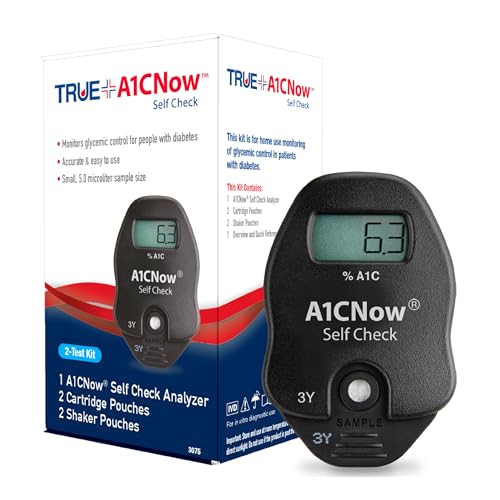
TRUEplus A1CNow SelfCheck, A1C Home Test, Includes Analyzer and 2 Tests, Displays Results in 5 Minutes, For Monitoring Glycemic Control in People with Diabetes, Fingerstick Sample
Complete 2-Test System: 2 complete A1C tests included; <strong>This pack has 1 analyzer, 2 test cartridges, 2 safety lancets and 2 blood collectors with shakers</strong>; Analyzer is small, compact an

CONTOUR NEXT ONE Blood Glucose Monitoring System All-in-One Kit for Diabetes
KIT INCLUDES: The CONTOUR NEXT ONE blood glucose meter, <strong>20 contour next test strips</strong>, user guide and quick reference guide, microlet lancing device, 10 microlet colored lancets, logboo
Evidence & Sources
Supported by multiple clinical trials and systematic reviews
- American Diabetes Association. Standards of Care in Diabetes
- World Health Organization. Definition and diagnosis of diabetes mellitus and intermediate hyperglycaemia
- International Association of Diabetes and Pregnancy Study Groups (IADPSG) Recommendations
- ACOG Practice Bulletin on Gestational Diabetes Mellitus
- National Institute of Diabetes and Digestive and Kidney Diseases (NIDDK)
- National Center for Complementary and Integrative Health (NCCIH)
- The New England Journal of Medicine — HAPO Study
- Diabetes Care
This content is for informational purposes only and does not constitute medical advice. Always consult a qualified healthcare provider before starting, stopping, or changing any supplement or medication regimen.