

Natural Killer Cell Activity Test
Also known as: NK Cell Test, Natural Killer Cell Function, NK Cell Activity
Overview
Natural Killer (NK) Cell Activity Testing refers to laboratory assessment of how effectively natural killer cells perform one of their core immune functions: identifying and destroying abnormal cells, including virus-infected cells and some tumor cells. NK cells are part of the innate immune system, meaning they respond rapidly and do not require the same prior exposure or antibody-based recognition used by other immune pathways. Depending on the assay, testing may estimate NK cell cytotoxic activity, degranulation, cytokine production, or related functional markers rather than simply counting how many NK cells are present.
This type of testing is of interest because NK cell function has been studied in settings such as viral infections, cancer immunology, autoimmune disease, chronic inflammatory states, physiologic stress, and immune dysregulation syndromes. In some integrative and specialty practices, NK cell activity is discussed when exploring chronic infections, post-viral symptoms, immune exhaustion, recurrent illness, or complex inflammatory presentations. However, interpretation is often challenging. NK cell function can vary with age, sleep, stress, medications, recent illness, exercise, specimen handling, and laboratory methodology, and there is not always a universally accepted cutoff for what constitutes clinically meaningful “low” or “high” activity.
A key distinction is that NK cell number is not the same as NK cell function. A person may have a normal count of NK cells on flow cytometry while functional assays show reduced cytotoxic activity, or the reverse. In research settings, more specialized assays such as chromium-release cytotoxicity tests, flow-based killing assays, CD107a degranulation assays, and interferon-gamma release methods have been used to characterize NK cell performance. Commercial tests may simplify these methods, but differences in technique can affect comparability across laboratories.
Because of these limitations, NK cell activity testing is generally best understood as a context-dependent immune biomarker rather than a stand-alone diagnostic answer. Research suggests it may provide useful information in selected clinical or investigational settings, but results typically require interpretation alongside medical history, physical findings, other laboratory data, and the broader clinical picture. Individuals considering immune function testing are commonly advised to review the purpose, limitations, and potential implications with a qualified healthcare professional.
Medical Perspectives
Two Ways of Seeing Health

Western
scientific · clinical
Western medicine applies science, technology, and clinical experience to treat symptoms through testing, diagnosis, and targeted intervention.

Eastern
traditional · alternative
Eastern medicine focuses on treating the body naturally by applying traditional knowledge practiced for thousands of years, emphasizing balance and whole-person wellness.
Gold Bamboo presents both perspectives side-by-side so you can make informed decisions. We don't advocate for one over the other — your health choices are yours.
Western Medicine Perspective
Western Medicine Perspective
In conventional medicine, NK cells are recognized as an important arm of immune surveillance and early host defense. They help control certain viral infections and participate in recognition of stressed or malignant cells through a balance of activating and inhibitory receptors. From a biomedical standpoint, NK cell testing is most firmly established in research, immunology, oncology, and selected immunodeficiency evaluations, rather than as a routine general screening tool.
Clinically, functional NK cell testing may be relevant in specific circumstances, such as investigation of rare primary immune disorders, hemophagocytic lymphohistiocytosis-related syndromes, or specialized immune monitoring. In cancer and infectious disease research, altered NK cell activity has been associated with disease burden, prognosis, treatment response, or immune dysfunction. Studies have also explored NK cell function in chronic fatigue syndrome/myalgic encephalomyelitis, autoimmune diseases, persistent viral illness, and chronic stress states, but findings have not always been consistent enough to support broad standardized clinical use.
A major limitation from the western perspective is assay variability. Different laboratories may measure different aspects of NK biology, and pre-analytic factors such as sample transport time, temperature, and cell viability can significantly influence results. For that reason, many conventional clinicians view NK cell activity testing as a supplementary or investigational marker unless used within a clearly defined specialty context. Research supports the biological relevance of NK cells, but the practical meaning of an isolated abnormal result remains uncertain in many everyday clinical scenarios.
Conventional interpretation therefore tends to emphasize clinical correlation and caution against overreading a single immune marker. NK cell activity can contribute to a broader assessment of immune status, but it does not by itself diagnose chronic infection, immune exhaustion, autoimmune disease, or cancer. When used, it is generally considered one data point within a more comprehensive evaluation.
Eastern & Traditional Perspective
Eastern / Traditional Medicine Perspective
Traditional medical systems such as Traditional Chinese Medicine (TCM) and Ayurveda do not historically describe NK cells as a discrete entity, since the test arises from modern immunology. However, many integrative practitioners map NK cell activity conceptually onto broader traditional ideas of defensive vitality, resilience, constitutional strength, and the body's capacity to recognize and respond to external or internal disturbances.
In TCM, reduced immune resilience may be discussed in patterns involving Wei Qi deficiency, Spleen Qi deficiency, Lung Qi weakness, or lingering damp-heat, toxin, or latent pathogenic factors, depending on the symptom picture. From this perspective, an NK cell activity result is not treated as a diagnosis in itself, but as a modern laboratory datapoint that may loosely correspond to the body's defensive capacity. Some TCM-informed integrative clinicians may view low functional immune markers as fitting a pattern of depletion, chronic strain, or unresolved pathogenic burden, while also recognizing that the laboratory framework is western rather than classical.
In Ayurveda, analogous interpretations may involve concepts such as ojas (vital reserve), agni (transformative/metabolic capacity), and states of imbalance that reduce resistance or promote chronic inflammatory burden. Naturopathic and functional approaches may similarly frame NK activity as a reflection of immune competence, physiologic stress load, and regulatory balance. These traditions often emphasize the terrain of the whole person rather than a single cell population.
From an evidence standpoint, eastern and traditional systems offer interpretive frameworks rather than validated historical uses of the test itself. Their contribution is therefore mainly in contextualizing what a low or altered immune marker may mean within a broader pattern-based understanding of health. As with western interpretation, most balanced integrative models treat NK cell activity as one piece of a larger assessment, not a definitive standalone measure.
Supplements & Products
Recommended Products

Janeway's Immunobiology eBook : Murphy, Kenneth M., Weaver, Casey, Berg, Leslie J.: Kindle Store
The gold standard, with the most up-to-date research and resources Immunobiology is <strong>the premier text for immunology at the advanced undergraduate, graduate, and medical school levels</strong>.

Quality of Life Kinoko Gold AHCC, 500mg - 60 caps
Buy Quality of Life Kinoko Gold AHCC, 500mg - 60 caps on Amazon.com ✓ FREE SHIPPING on qualified orders
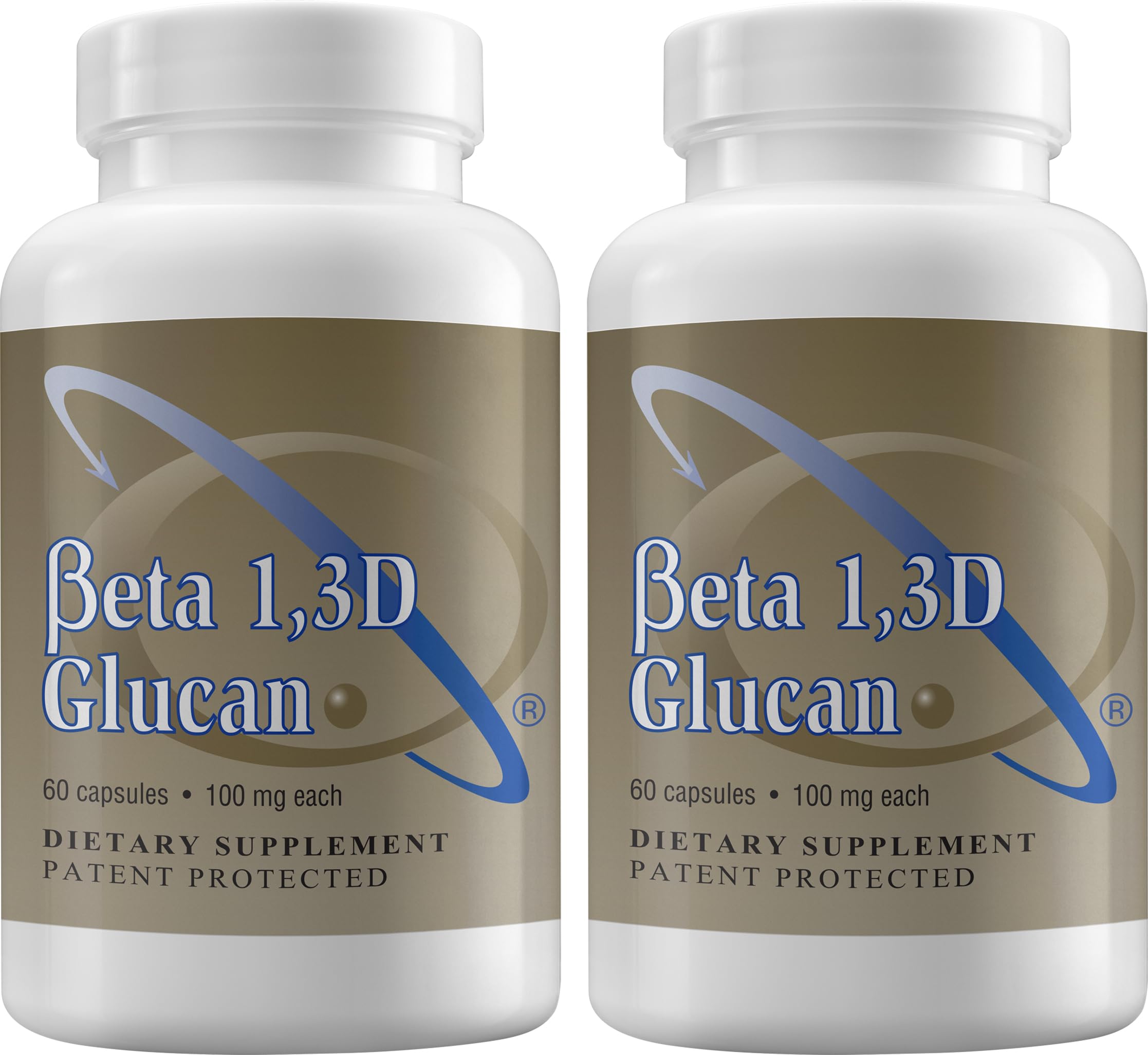
Transfer Point Immune Support Supplement Highly Purified Beta Glucan 500 mg per Capsule (Pack of 1 - b-glucan Fiber)
Transfer Point’s Beta 1,3D Glucan is also <strong>non-gmo, vegan, and does not contain any sweeteners or artificial flavors</strong>. Our 500mg capsules contain no fillers and are easy to open for mix
Evidence & Sources
Promising research with growing clinical support from multiple studies
- National Cancer Institute (NCI) Dictionary of Cancer Terms / Immunology resources
- National Center for Complementary and Integrative Health (NCCIH)
- Merck Manual Professional Edition - Natural Killer Cells
- Journal of Immunology
- Frontiers in Immunology
- Clinical & Experimental Immunology
- Nature Reviews Immunology
- World Health Organization (WHO)
- International Journal of Molecular Sciences
- Brenu et al., studies on NK cell function in myalgic encephalomyelitis/chronic fatigue syndrome
This content is for informational purposes only and does not constitute medical advice. Always consult a qualified healthcare provider before starting, stopping, or changing any supplement or medication regimen.