

Mold Exposure Panel
Also known as: Mold Toxicity Test, Environmental Mold Test
Mold Exposure Panel: Overview
A mold exposure panel is a laboratory testing approach intended to evaluate whether a person has been exposed to mold-related compounds, including mycotoxins or other biomarkers associated with water-damaged environments. These panels are often discussed in the context of indoor mold exposure, building-related illness, and, in some clinical circles, chronic inflammatory response syndrome (CIRS). Depending on the laboratory and testing model, a panel may include urine mycotoxin testing, inflammatory markers, immune markers, or additional environmental assessments. The topic remains clinically important because mold exposure is common in homes, schools, and workplaces affected by dampness, flooding, or poor ventilation.
From a public health standpoint, exposure to damp or moldy indoor environments has been associated with respiratory symptoms, asthma exacerbation, cough, wheeze, and upper airway irritation. However, the interpretation of specialized mold exposure panels is more controversial than the broader evidence linking damp buildings to respiratory effects. Conventional medicine generally recognizes that molds can trigger allergic disease, worsen asthma, and in some cases cause hypersensitivity pneumonitis or infection in vulnerable individuals. By contrast, some specialty and functional medicine frameworks place greater emphasis on mold toxins as contributors to persistent multisystem symptoms such as fatigue, cognitive complaints, headaches, and systemic inflammation.
The significance of mold exposure testing lies in a difficult clinical challenge: symptoms attributed to mold are often nonspecific and may overlap with allergy, asthma, chronic sinus disease, autoimmune conditions, environmental irritant exposure, mental health conditions, or other chronic illnesses. For this reason, interpretation of any mold exposure panel typically requires attention to the clinical history, the environmental context, and the specific validation and limitations of the assay being used. A positive environmental history alone does not confirm disease, and an abnormal laboratory result does not always establish causation.
In practice, the term "mold exposure panel" may refer to very different tools. Some tests are designed to assess allergic sensitization to mold species through IgE testing or skin testing; others attempt to measure mycotoxins in urine; still others assess inflammatory markers that some clinicians associate with biotoxin-related illness. Because these methods answer different questions, it is important to distinguish between exposure, sensitization, toxicologic burden, and clinical illness. Research supports the health importance of damp indoor environments, but the diagnostic role of commercial mold toxin panels remains an area of ongoing debate and evolving evidence.
Medical Perspectives
Two Ways of Seeing Health

Western
scientific · clinical
Western medicine applies science, technology, and clinical experience to treat symptoms through testing, diagnosis, and targeted intervention.

Eastern
traditional · alternative
Eastern medicine focuses on treating the body naturally by applying traditional knowledge practiced for thousands of years, emphasizing balance and whole-person wellness.
Gold Bamboo presents both perspectives side-by-side so you can make informed decisions. We don't advocate for one over the other — your health choices are yours.
Western Medicine Perspective
Western Medicine Perspective
In conventional medicine, the best-established health effects of mold exposure involve allergy, asthma, rhinosinusitis-related irritation, hypersensitivity reactions, and occasional fungal infection in susceptible people. Major organizations such as the World Health Organization (WHO), Centers for Disease Control and Prevention (CDC), and Institute of Medicine/National Academies have reported associations between damp indoor environments and respiratory symptoms. Clinicians generally evaluate suspected mold-related illness through a combination of medical history, physical examination, and targeted testing based on symptoms. For example, a patient with wheezing and seasonal or indoor-triggered symptoms may be assessed for asthma and mold allergy, while someone with occupational exposure and imaging abnormalities may be evaluated for hypersensitivity pneumonitis.
From this perspective, the most established tests are allergy-focused assessments such as skin prick testing or serum-specific IgE testing to certain mold allergens. Additional workup may include pulmonary function testing, chest imaging, eosinophil markers, or infectious disease evaluation when clinically relevant. Environmental inspection of the home or workplace can also be important, especially when there is visible water damage or persistent dampness. Conventional medicine tends to view these approaches as more clinically validated than broad commercial mycotoxin screening panels.
Urine mycotoxin testing and biomarker panels marketed for "mold toxicity" or CIRS remain controversial within mainstream medicine. Research acknowledges that mycotoxins exist and can affect human and animal health, particularly in agricultural, food contamination, or occupational settings. However, many clinicians note that the clinical utility, reference ranges, reproducibility, and causal interpretation of some commercial tests are not yet standardized. Mainstream sources have cautioned that detection of a mycotoxin metabolite may reflect exposure without necessarily demonstrating disease, and that some panel components have not been universally validated for diagnosis of chronic illness attributed to indoor mold.
Overall, the western approach emphasizes distinguishing between documented mold-related diseases and broader symptom complexes with uncertain mechanisms. It also places strong weight on ruling out other explanations for chronic symptoms. This does not dismiss patient experiences; rather, it reflects the current evidence base, which more strongly supports mold as a respiratory and allergic health concern than as a definitively measurable cause of a wide range of chronic systemic symptoms through currently available commercial panels.
Eastern & Traditional Perspective
Eastern and Traditional Medicine Perspective
In Traditional Chinese Medicine (TCM), symptom patterns associated with living in damp or mold-affected environments may be interpreted through the concepts of Dampness, Turbidity, Phlegm, and sometimes toxic heat. Rather than focusing on a laboratory-defined toxin panel, TCM traditionally evaluates how environmental influences interact with an individual's constitution and symptom pattern. A person reporting fatigue, brain fog, heavy limbs, sinus congestion, digestive sluggishness, skin flares, or chronic headaches after exposure to damp spaces might be understood as experiencing an accumulation of dampness obstructing normal function. This framework is pattern-based rather than pathogen-specific in the western toxicology sense.
In Ayurveda, a similar presentation may be interpreted through disturbances involving ama (metabolic waste or toxic residue), impaired agni (digestive/metabolic fire), and aggravated Kapha linked to heaviness, congestion, sluggishness, or mucus-related symptoms. Environmental dampness may also be seen as a factor that burdens vulnerable systems, particularly in people with preexisting respiratory or digestive imbalance. Traditional systems often place emphasis on the interaction between the environment, resilience, and constitutional susceptibility rather than on measuring one specific biomarker.
Naturopathic and integrative medicine frameworks sometimes bridge western environmental medicine and traditional concepts by considering mold exposure as a possible contributor to chronic inflammation, immune dysregulation, fatigue, or detoxification burden. In these settings, specialty testing panels may be used alongside broader clinical evaluation, though the evidence base for many such tests remains mixed. Traditional and integrative practitioners often regard the panel as one piece of a larger picture rather than a definitive answer.
Importantly, eastern and traditional systems generally do not have a historical equivalent to the modern commercial mold exposure panel itself. Their contribution is more interpretive than diagnostic in the laboratory sense. Research on traditional approaches for symptoms attributed to mold exposure is still limited, so these perspectives are best understood as complementary explanatory models rather than validated substitutes for medical evaluation, environmental inspection, or established testing when serious illness is suspected.
Supplements & Products
Recommended Products
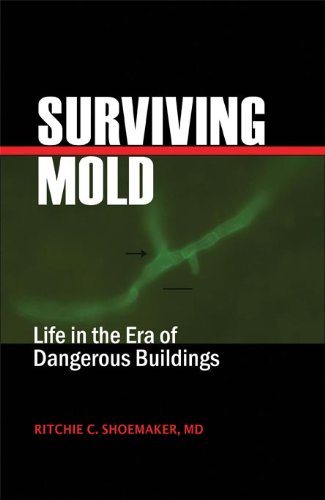
Surviving Mold: Life in the Era of Dangerous Buildings: Ritchie C. Shoemaker MD, Matthew C. Hudson, Patti Schmidt
Powerfully written, Surviving Mold <strong>follows Mold Warriors (published in 2005) as the definitive source of information on "mold" illness, its basis in inflammation, its physiology and

Mold Test Kit for Home - 5 Simple DIY Mold Detection Tests - Safely and Easily Test Surface Mold, Air Quality and HVAC - Detailed Mold Identification Guide - Expert Consultation
Mold Test Kit for Home - 3 DIY Tests - Mold Detection Kit with Lab Analysis & Expert Consultation - Easy & Accurate - Save vs Professional Inspectors - Not for Air Quality Testing
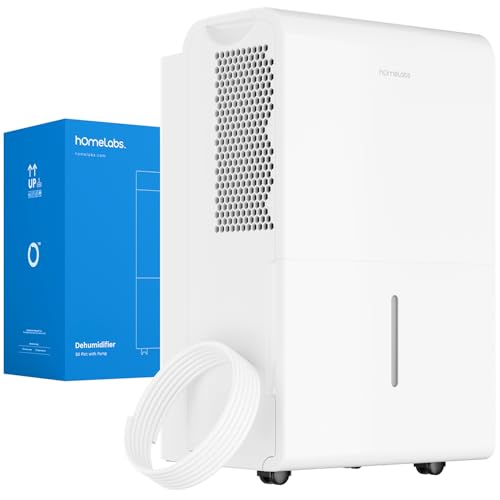
hOmeLabs Dehumidifier for Home, Office, Basements with Powerful Moisture Removal, Humidity Control, Auto Shut-off, Quiet Operation - 7,500 Sq Ft Wi-Fi with Pump (50 Pint MAX 120 Pint at 95°F, 90% RH)
4500 Sq.<strong>Ft Energy Star</strong> Most Efficient 2025 Dehumidifier,AEOCKY Max 80 Pint/Day Smart Compressor Dehumidifier with Drain Hose, Intelligent Humidistat,for Basement,Bedroom,Home,Bathroom
Evidence & Sources
Early-stage research, mostly preclinical or preliminary human studies
- World Health Organization (WHO), Guidelines for Indoor Air Quality: Dampness and Mould
- Centers for Disease Control and Prevention (CDC), Mold
- National Institute for Occupational Safety and Health (NIOSH), Dampness and Mold Assessment Tools
- National Academies/Institute of Medicine, Damp Indoor Spaces and Health
- NCCIH (National Center for Complementary and Integrative Health), environmental health and complementary approaches resources
- Journal of Allergy and Clinical Immunology
- Clinical Infectious Diseases
- Environmental Health Perspectives
This content is for informational purposes only and does not constitute medical advice. Always consult a qualified healthcare provider before starting, stopping, or changing any supplement or medication regimen.