

Mercury Testing
Also known as: Mercury Test, Mercury Toxicity Test, Mercury Level
Overview
Mercury testing refers to laboratory methods used to evaluate possible exposure to mercury, a heavy metal that exists in several forms: elemental mercury, inorganic mercury salts, and organic mercury compounds such as methylmercury. Exposure may occur through certain types of seafood, occupational settings, environmental contamination, artisanal gold mining, industrial processes, and—less commonly today—older medical or consumer products. Dental amalgams can contribute to low-level mercury vapor exposure, though the clinical significance of that exposure varies by individual context and remains a topic of ongoing public discussion.
Interest in mercury testing is especially common when people are exploring unexplained symptoms such as neurological changes, tremor, paresthesias, cognitive concerns, fatigue, mood changes, kidney-related abnormalities, or developmental concerns in pregnancy and childhood. In integrative and functional medicine settings, mercury is also frequently discussed in relation to "body burden," immune dysregulation, and detoxification capacity. At the same time, symptoms often attributed to mercury exposure are non-specific and may have many other causes, so test interpretation is generally most meaningful when tied to a clear exposure history and conventional clinical evaluation.
The most commonly used tests include whole blood mercury, urine mercury, and sometimes hair mercury analysis, each reflecting different forms or timing of exposure. Blood testing is often used to assess more recent exposure to methylmercury, particularly from fish consumption. Urine testing is more often used in occupational or elemental/inorganic mercury exposure assessment. Hair testing can reflect longer-term methylmercury exposure, especially from seafood, but laboratory quality and interpretation standards vary. So-called provoked urine mercury testing after chelation challenge is controversial and is not widely accepted as a standard diagnostic approach in conventional toxicology.
Overall, mercury testing can be useful in the right context, but it is not a standalone diagnosis. The value of any result depends on the type of mercury involved, timing of exposure, test quality, and whether findings correlate with symptoms, medical history, diet, work history, and environmental factors. Consultation with qualified healthcare professionals and, when relevant, medical toxicology or occupational health experts is typically important for proper interpretation.
Medical Perspectives
Two Ways of Seeing Health

Western
scientific · clinical
Western medicine applies science, technology, and clinical experience to treat symptoms through testing, diagnosis, and targeted intervention.

Eastern
traditional · alternative
Eastern medicine focuses on treating the body naturally by applying traditional knowledge practiced for thousands of years, emphasizing balance and whole-person wellness.
Gold Bamboo presents both perspectives side-by-side so you can make informed decisions. We don't advocate for one over the other — your health choices are yours.
Western Medicine Perspective
Western Medicine Perspective
In conventional medicine, mercury testing is approached through the lens of toxicology, exposure assessment, and clinical correlation. Different mercury species behave differently in the body, so clinicians generally consider which form of mercury is most likely involved. Methylmercury is associated primarily with seafood exposure and is commonly measured in blood or sometimes hair. Elemental and inorganic mercury exposures—such as those related to occupational settings or mercury vapor—are more often evaluated using urine testing. Testing strategy depends on the timing, source, intensity, and duration of exposure.
Western medicine places strong emphasis on validated laboratory methods and on distinguishing meaningful exposure from background environmental levels. Public health agencies such as the CDC, EPA, ATSDR, and WHO have established reference frameworks for exposure monitoring, especially for pregnant individuals, children, and workers in high-risk industries. Conventional interpretation also recognizes that many symptoms associated with mercury toxicity are not specific. For that reason, test results are generally considered alongside neurological examination, renal assessment, occupational history, seafood intake, and possible co-exposures to other metals or chemicals.
A key area of caution in mainstream medicine involves nonstandard testing practices, especially unvalidated hair testing panels and post-chelation or “challenge” urine tests marketed as indicators of hidden mercury burden. Toxicology organizations have argued that these methods can produce misleadingly elevated results and may overstate toxicity. Research supports the use of standardized specimen collection and certified laboratories, because even reliable tests can be misinterpreted if reference ranges, specimen type, and exposure context are not appropriate.
Conventional medicine also distinguishes between screening, biomonitoring, and diagnostic testing. Routine mercury testing is not typically used for the general population without a reason for concern. However, it may be considered in cases of known exposure, high seafood intake, occupational monitoring, compatible symptoms, or concern during pregnancy. When elevated mercury levels are found, the usual clinical focus is identifying the source of exposure, assessing organ systems potentially affected, and determining whether findings reflect recent intake, chronic exposure, or clinically significant toxicity.
Eastern & Traditional Perspective
Eastern/Traditional Medicine Perspective
In Traditional Chinese Medicine (TCM) and related East Asian systems, mercury testing itself is not part of the classical diagnostic framework. Traditional assessment is based more on patterns of imbalance—for example, disturbances involving the Liver, Kidney, Heart, and Shen, or patterns that might correspond to toxicity, phlegm obstruction, heat, deficiency, or impaired transformation and elimination. Symptoms that lead someone to inquire about mercury exposure—such as fatigue, tremor, cognitive fog, irritability, numbness, or weakness—would traditionally be interpreted through these broader functional patterns rather than through laboratory metal levels alone.
In Ayurveda, concerns that modern medicine might frame as toxicant exposure are sometimes discussed in relation to ama (metabolic waste or toxic residue), impaired agni (digestive/metabolic fire), and imbalance in the doshas, particularly when there are neurological, digestive, or constitutional symptoms. Similarly, naturopathic and integrative traditions often use the language of toxic burden, biotransformation, elimination, and environmental medicine. Within these systems, mercury testing may be viewed as one data point among many when trying to understand complex, chronic symptoms.
Traditional and integrative frameworks often place greater emphasis on the body's resilience, detoxification capacity, and constitutional susceptibility than conventional toxicology alone. Diet, digestive function, stress, sleep, environmental load, and overall vitality may be considered relevant to how exposure manifests clinically. However, the scientific evidence supporting many broad “detoxification” interpretations is still limited, and traditional concepts do not map directly onto measured mercury species in blood or urine.
From a balanced perspective, eastern and integrative systems may offer broader context around whole-person symptom patterns and environmental health, while conventional toxicology provides the most standardized tools for measuring actual mercury exposure. For individuals exploring both perspectives, the most reliable interpretation generally comes from integrating laboratory findings with clinical history and qualified professional evaluation rather than relying on symptom patterns alone.
Supplements & Products
Recommended Products
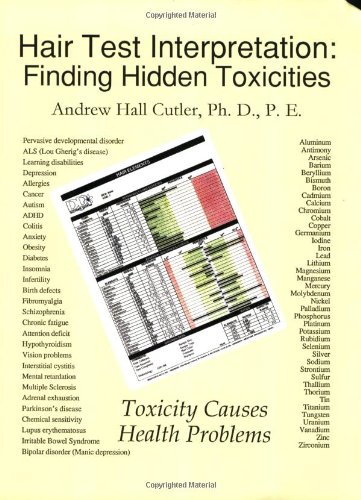
Hair Test Interpretation: Finding Hidden Toxicities
Hair Test Interpretation: Finding Hidden Toxicities · <strong>Find out if you have a heavy metal problem</strong> Know the sources of exposure to heavy metals Learn what to do to detoxify each element

5Strands Metals & Minerals Deficiency Test, 60 Items Test, Metal & Mineral Imbalances, Hair Analysis, Results in 7 Days, Detox Holistic Health Testing - Arsenic, Lead, Tin, Mercury, Copper
Buy 5Strands Metals & Minerals Deficiency Test, 60 Items Test, Metal & Mineral Imbalances, Hair Analysis, Results in 7 Days, Detox Holistic Health Testing - Arsenic, Lead, Tin, Mercury, Copper
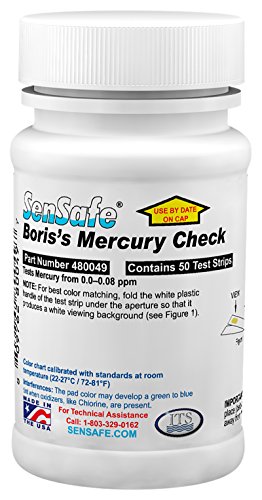
Industrial Test Systems 480049 SenSafe Boris's Mercury Test: Swimming Pool Testing Strips: Amazon.com: Industrial & Scientific
Our SenSafe Boriss Mercury Check is <strong>a quick and easy method to test for low levels of Mercury</strong>. With Boriss Mercury Check you can easily test to ensure that your water is below the 2
Evidence & Sources
Promising research with growing clinical support from multiple studies
- World Health Organization (WHO) – Mercury and Health
- Agency for Toxic Substances and Disease Registry (ATSDR) – Toxicological Profile for Mercury
- U.S. Environmental Protection Agency (EPA) – Mercury
- Centers for Disease Control and Prevention (CDC) – Biomonitoring Summary for Mercury
- National Institute of Environmental Health Sciences (NIEHS) – Mercury
- National Academies / Institute of Medicine and NRC reports on methylmercury
- American College of Medical Toxicology (ACMT) – Position statements on post-chelator challenge urinary metal testing
- National Institute for Occupational Safety and Health (NIOSH) – Mercury exposure resources
This content is for informational purposes only and does not constitute medical advice. Always consult a qualified healthcare provider before starting, stopping, or changing any supplement or medication regimen.