

Magnesium RBC Test
Also known as: RBC Magnesium Test, Red Blood Cell Magnesium
Magnesium RBC Test
The Magnesium RBC test measures the amount of magnesium contained within red blood cells (erythrocytes) rather than in the liquid portion of blood. Because magnesium is predominantly an intracellular mineral, many clinicians and integrative practitioners view red blood cell magnesium as a potentially more informative marker of longer-term magnesium status than standard serum magnesium testing. Serum magnesium is tightly regulated by the body and may remain within a normal range even when total body magnesium stores are relatively low, which is why interest in intracellular testing has grown.
Magnesium plays a central role in hundreds of enzymatic reactions related to energy production, muscle and nerve signaling, cardiac rhythm, bone health, glucose metabolism, and DNA/RNA synthesis. Inadequate magnesium status has been associated in research with symptoms or conditions such as muscle cramps, fatigue, headaches, constipation, arrhythmias, insulin resistance, and migraine, although these findings do not mean that an abnormal RBC result alone can diagnose the cause of symptoms. The test is typically considered in broader nutritional or metabolic assessments rather than as a stand-alone diagnostic tool.
Compared with serum magnesium, RBC magnesium is often described as offering a better reflection of intracellular magnesium exposure over time. However, interpretation is not completely standardized. Reference ranges can vary by laboratory, and the test is influenced by sample handling, laboratory methodology, red cell characteristics, and the fact that red blood cells are only one compartment of the body’s magnesium distribution. As a result, the Magnesium RBC test is best understood as one data point within a larger clinical picture, alongside symptoms, diet, kidney function, medications, and other laboratory markers.
The significance of this test is especially notable in integrative and functional medicine settings, where practitioners may look beyond gross deficiency and explore subclinical or marginal insufficiency. Even so, major conventional guidelines generally rely more heavily on clinical assessment, serum magnesium, urinary magnesium, and context-specific testing. This makes the Magnesium RBC test an example of a laboratory marker that is widely discussed, clinically used in some settings, yet still subject to ongoing debate regarding how accurately it reflects total body magnesium status across different populations.
Medical Perspectives
Two Ways of Seeing Health

Western
scientific · clinical
Western medicine applies science, technology, and clinical experience to treat symptoms through testing, diagnosis, and targeted intervention.

Eastern
traditional · alternative
Eastern medicine focuses on treating the body naturally by applying traditional knowledge practiced for thousands of years, emphasizing balance and whole-person wellness.
Gold Bamboo presents both perspectives side-by-side so you can make informed decisions. We don't advocate for one over the other — your health choices are yours.
Western Medicine Perspective
Western Medicine Perspective
From a conventional medicine standpoint, magnesium status is challenging to assess because less than 1% of total body magnesium is present in blood, and the body works to keep serum levels relatively stable. Standard serum magnesium remains the most commonly used laboratory test in hospitals and outpatient care because it is widely available, validated, and useful in acute clinical settings such as arrhythmia risk, severe deficiency, gastrointestinal losses, kidney disease, alcohol use disorder, or medication-related depletion. Researchers and some clinicians acknowledge that serum magnesium may miss early or intracellular depletion, which is the main rationale for considering RBC magnesium.
Studies suggest that RBC magnesium may correlate more closely than serum magnesium with intracellular mineral status in certain contexts, but the evidence is mixed. Conventional medicine has not universally adopted RBC magnesium as the definitive gold-standard assessment because there is limited standardization, fewer large outcome-based studies, and uncertainty about how well RBC values map onto magnesium levels in muscle, bone, or other tissues. In some research settings, additional methods such as magnesium loading tests, 24-hour urinary magnesium, or ionized magnesium have been explored, each with its own limitations.
Clinically, a western interpretation of an RBC magnesium result would generally emphasize that it is supportive rather than diagnostic. An abnormal value may raise suspicion for low magnesium status or altered mineral handling, but physicians typically interpret it alongside medical history, symptoms, medication use, gastrointestinal absorption, renal function, and other electrolyte data including calcium and potassium. Consultation with a qualified healthcare professional is important because both low and high magnesium states can have meaningful medical implications, and no single test fully captures magnesium physiology.
Eastern & Traditional Perspective
Eastern/Traditional Medicine Perspective
In Traditional Chinese Medicine (TCM) and related East Asian systems, laboratory values such as RBC magnesium are not historically part of classical diagnosis. Instead, symptoms potentially associated with low magnesium status might be understood through patterns such as Liver blood deficiency, Liver yin deficiency, internal wind, Spleen qi deficiency, or Heart imbalance, depending on the presentation. Muscle twitching, cramps, poor sleep, palpitations, tension, and fatigue would traditionally be interpreted through these broader functional patterns rather than a single mineral measurement. In modern integrative practice, an RBC magnesium test may be used as a contemporary biomarker that complements traditional pattern identification.
In Ayurveda, manifestations that overlap with magnesium insufficiency may be viewed through disturbances in Vata dosha, impaired agni (digestive/metabolic function), or depletion of tissues associated with weakness, restlessness, constipation, or neuromuscular sensitivity. Ayurveda does not classically define health through intracellular mineral assays, but modern Ayurvedic-informed practitioners may incorporate laboratory testing to better understand nutritional status while still interpreting findings within constitutional and systemic frameworks.
Naturopathic and integrative medicine often place greater emphasis on the Magnesium RBC test than conventional medicine does, partly because magnesium is considered foundational for stress resilience, neuromuscular regulation, metabolic balance, and cardiovascular health. Within these traditions, RBC magnesium is sometimes viewed as a more meaningful marker of functional insufficiency than serum magnesium alone. Even so, balanced practice generally recognizes that the test is not definitive by itself and that meaningful interpretation depends on overall diet, digestion, stress, medication use, and the broader clinical context. As with any laboratory assessment, traditional and integrative perspectives are strongest when combined with evaluation by a licensed healthcare professional.
Supplements & Products
Recommended Products
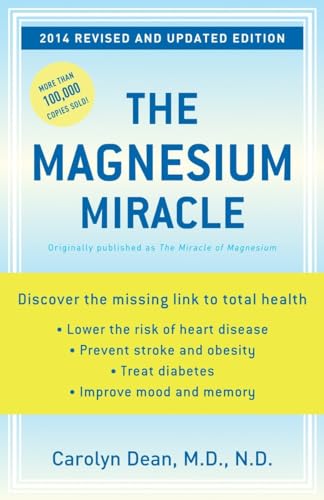
The Magnesium Miracle (Revised and Updated Edition): Carolyn Dean
Inside you will discover • newly ... public perception The Magnesium Miracle, now more than ever, is <strong>the ultimate guide to a mineral that is truly miraculous</strong>....

THORNE - Magnesium Bisglycinate - Powdered Magnesium Formula - Supports Restful Sleep, Muscle Relaxation, Heart Health & Metabolism* - NSF Certified for Sport - Gluten, Dairy & Soy-Free - 60 Servings
THORNE - Magnesium Glycinate - <strong>Supports Restful Sleep, Muscle Relaxation, Heart Health & Metabolism</strong>* - Chelated Magnesium Capsules - Third-Party Certified - Gluten, Dairy & So

Doctor's Best High Absorption Magnesium Glycinate Lysinate Supplement for Sleep Support - Chelated Magnesium Tablets for Women & Men, 200mg per Serving, Supports Calm & Relaxation, Vegan - 240 Count
Doctor's Best High Absorption Magnesium Glycinate Lysinate Supplement for Sleep Support - Chelated Magnesium Capsules for Women & Men, 105 mg per Serving, Calm Support, Vegan - 120 Veg Caps
Evidence & Sources
Promising research with growing clinical support from multiple studies
- National Institutes of Health Office of Dietary Supplements
- Nutrients
- Magnesium Research
- Clinical Kidney Journal
- Advances in Nutrition
- Mayo Clinic Laboratories
- Lab Tests Online
- National Center for Complementary and Integrative Health
This content is for informational purposes only and does not constitute medical advice. Always consult a qualified healthcare provider before starting, stopping, or changing any supplement or medication regimen.