

Luteinizing Hormone
Also known as: LH, Luteinizing Hormone Test
Overview
Luteinizing hormone (LH) is a hormone made by the anterior pituitary gland that plays a central role in the body’s reproductive signaling network. It works within the hypothalamic-pituitary-gonadal (HPG) axis, a feedback system that regulates ovulation, menstrual cycling, testosterone production, and other aspects of fertility and endocrine balance. LH is often discussed alongside follicle-stimulating hormone (FSH) because the two hormones act together to coordinate ovarian and testicular function.
In people with ovaries, LH is best known for its role in triggering ovulation. During the menstrual cycle, estrogen levels rise as follicles develop; when estrogen reaches a certain threshold, the pituitary releases a sharp LH surge, which leads to release of the mature egg and supports formation of the corpus luteum, the temporary structure that produces progesterone after ovulation. In people with testes, LH stimulates Leydig cells to produce testosterone, making it important for sperm production, sexual development, and reproductive health.
LH testing is commonly used in evaluation of infertility, irregular periods, anovulation, polycystic ovary syndrome (PCOS), menopause, delayed or precocious puberty, pituitary disorders, and certain causes of low testosterone. Results are usually interpreted in context rather than in isolation, because LH naturally varies by sex, age, menstrual cycle phase, menopausal status, and time of testing. A single measurement may be less informative than a pattern of levels over time or a panel that includes FSH, estradiol, progesterone, prolactin, testosterone, thyroid markers, and imaging when appropriate.
Public interest in LH often centers on fertility tracking and hormone imbalance, but the hormone is also relevant to broader endocrine health. Elevated LH may be seen in conditions where the gonads are not responding normally to pituitary signaling, while low LH can occur when the hypothalamus or pituitary is underactive or when stress, undernutrition, chronic illness, or other systemic factors suppress reproductive signaling. Because LH reflects communication between the brain and reproductive organs, it is often considered a useful marker of reproductive axis function, though interpretation typically requires clinical context and professional assessment.
Medical Perspectives
Two Ways of Seeing Health

Western
scientific · clinical
Western medicine applies science, technology, and clinical experience to treat symptoms through testing, diagnosis, and targeted intervention.

Eastern
traditional · alternative
Eastern medicine focuses on treating the body naturally by applying traditional knowledge practiced for thousands of years, emphasizing balance and whole-person wellness.
Gold Bamboo presents both perspectives side-by-side so you can make informed decisions. We don't advocate for one over the other — your health choices are yours.
Western Medicine Perspective
Western Medicine Perspective
In conventional medicine, LH is understood as a gonadotropin regulated by gonadotropin-releasing hormone (GnRH) from the hypothalamus. Pulsatile GnRH stimulates the pituitary to release LH and FSH, while sex hormones such as estrogen, progesterone, and testosterone feed back to the brain and pituitary to adjust output. This feedback system helps explain why LH can be high, low, or variable depending on the underlying physiology. Clinicians generally interpret LH in relation to cycle timing, symptoms, and other hormone values rather than as a stand-alone marker.
LH measurement is commonly used in workups for PCOS, amenorrhea, infertility, suspected ovulatory dysfunction, menopause, primary ovarian insufficiency, hypogonadism, and pituitary or hypothalamic disorders. In PCOS, research suggests that some patients show relatively increased LH secretion or an elevated LH-to-FSH ratio, although this finding is not universal and is no longer considered diagnostic on its own. In menopause or primary gonadal failure, LH and FSH often rise because the ovaries or testes produce less hormone feedback. By contrast, low or inappropriately normal LH may point toward central causes, such as hypothalamic amenorrhea, pituitary disease, or suppression of the reproductive axis from stress, weight loss, excessive exercise, chronic illness, or certain medications.
In fertility care, urinary LH testing is widely used to detect the pre-ovulatory LH surge, helping identify the fertile window. Blood testing may also be used to assess baseline LH or monitor reproductive endocrinology conditions. Conventional medicine generally emphasizes that LH is most clinically meaningful when interpreted with FSH, estradiol, progesterone, testosterone, prolactin, thyroid studies, semen analysis where relevant, and pelvic or pituitary imaging when indicated. Because hormone levels fluctuate and laboratory reference ranges differ, clinicians typically avoid drawing conclusions from one isolated number without broader evaluation.
Eastern & Traditional Perspective
Eastern and Traditional Medicine Perspective
In Traditional Chinese Medicine (TCM), there is no exact one-to-one equivalent of luteinizing hormone, but reproductive hormone regulation is often understood through patterns involving the Kidney system, Liver system, Chong Mai, and Ren Mai. Menstrual regularity, ovulation, and fertility are traditionally linked to the balance of Kidney essence (Jing), smooth flow of Liver qi, and adequate Blood. Cycles marked by irregular timing, absent ovulation, or fertility difficulties may be interpreted through patterns such as Kidney deficiency, Liver qi stagnation, phlegm-damp accumulation, or blood stasis, depending on the person’s broader presentation.
From this perspective, LH-related concerns such as irregular ovulation or endocrine imbalance are not framed around a single laboratory value, but around a pattern-based assessment that includes cycle history, temperature tendencies, sleep, digestion, stress, emotional state, and pulse-and-tongue findings. In integrative settings, some practitioners correlate modern endocrine findings—such as ovulatory dysfunction or PCOS-related hormonal patterns—with traditional diagnoses, while recognizing that TCM theory developed independently of laboratory endocrinology.
In Ayurveda, reproductive function is often understood through the balance of doshas, the health of artava dhatu (reproductive tissue in women) or shukra dhatu (reproductive tissue in men), digestive/metabolic strength (agni), and the effects of stress and systemic imbalance. Menstrual irregularity and fertility challenges may be described in terms of disrupted Vata, accumulated Kapha, impaired tissue nourishment, or broader constitutional imbalance. Naturopathic and other traditional systems likewise tend to view reproductive hormones in relation to whole-body factors such as sleep, nutrition, stress load, inflammation, and metabolic health.
Research on traditional approaches for ovulatory disorders and fertility support is growing, but the evidence base is mixed and often focuses on clinical outcomes rather than direct normalization of LH itself. Studies have explored acupuncture and herbal medicine in conditions such as PCOS and menstrual irregularity, though findings vary in quality and consistency. As a result, these systems are best understood as offering whole-person interpretive frameworks that may complement biomedical evaluation, especially when fertility, menstrual health, and endocrine symptoms overlap.
Supplements & Products
Recommended Products
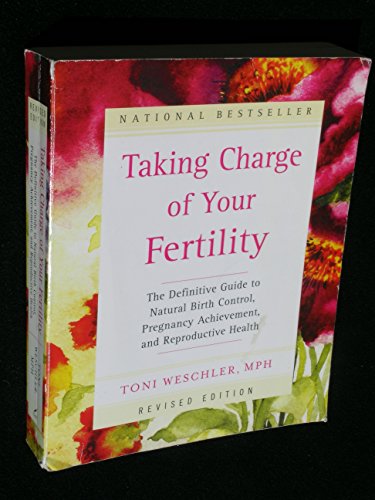
Taking Charge of Your Fertility: The Definitive Guide to Natural Birth Control, Pregnancy Achievement, and Reproductive Health
Since the publication of Taking Charge of your Fertility two decades ago, Toni Weschler has taught a whole new generation of women how to become pregnant, avoid pregnancy naturally and gain better con
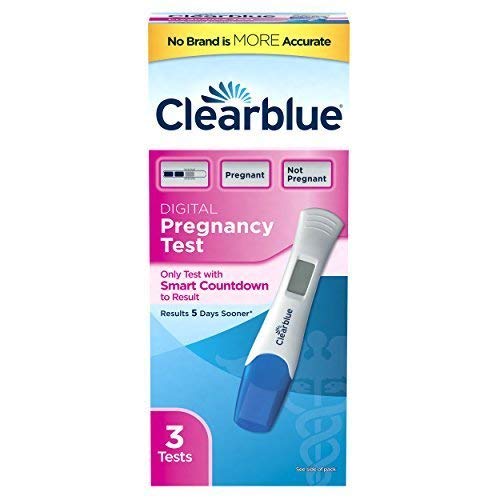
Clearblue Digital Ovulation Test, 10 Count : Everything Else
This easy at-home urine test detects your LH surge, providing a 48-hour window to maximize your chances of getting pregnant · <strong>OVER 99% ACCURATE at detecting the luteinizing hormone (LH) surge<
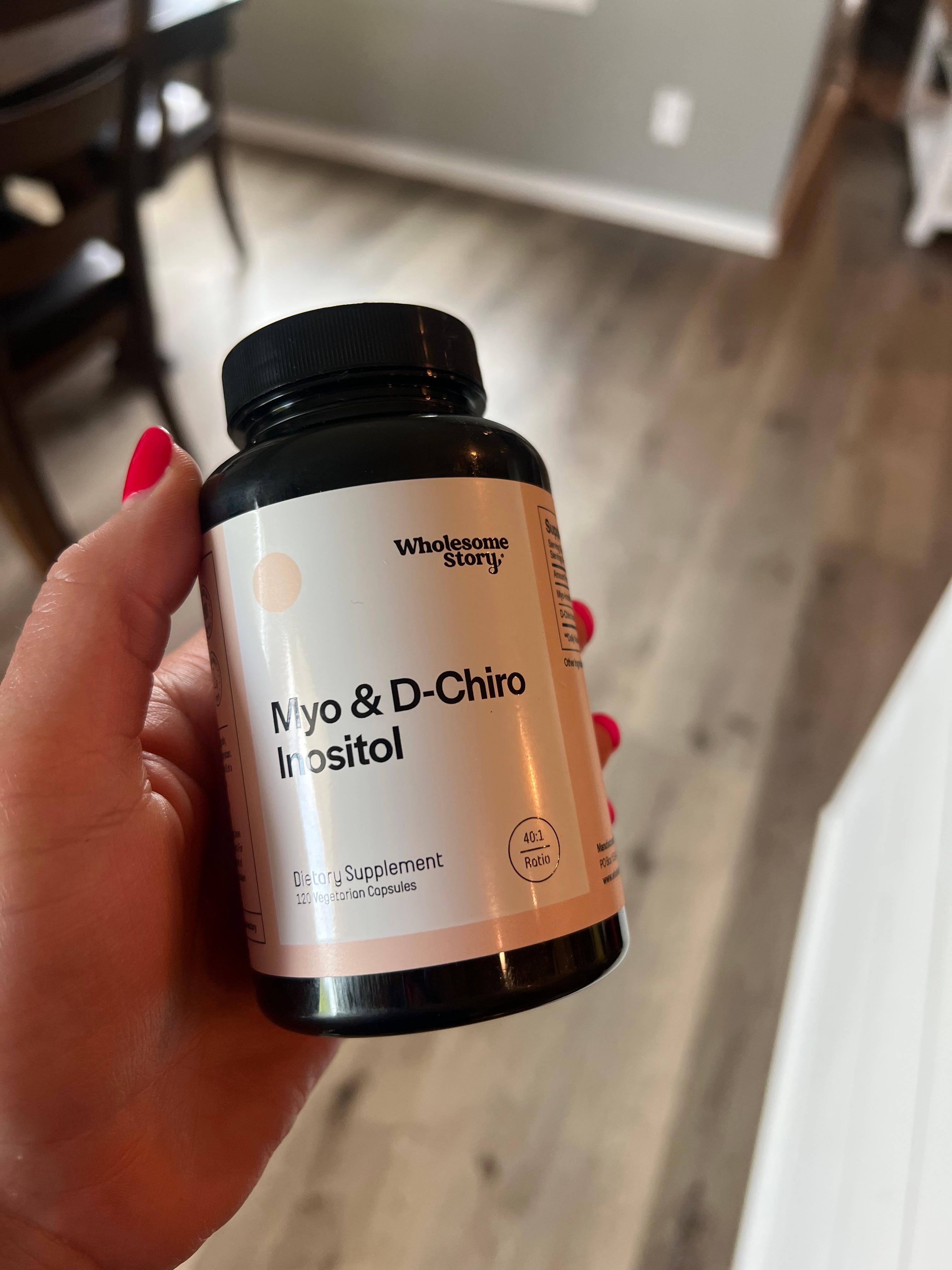
Wholesome Story Myo-Inositol & D-Chiro Inositol Supplement for Women | Fertility Supplements for Hormonal Balance & Ovarian Health Support | Myoinositol | Ideal 40:1 Ratio | 30 Servings
Our Myo & D-Chiro products contain a 40:1 ratio of Myo- to D-Chiro Inositol, shown to be <strong>the most beneficial ratio for women of reproductive age</strong>.* Myo-Inositol provides many of th
Evidence & Sources
Supported by multiple clinical trials and systematic reviews
- MedlinePlus (U.S. National Library of Medicine)
- Merck Manual Professional Edition
- Endocrine Reviews
- The Journal of Clinical Endocrinology & Metabolism
- American Society for Reproductive Medicine (ASRM)
- World Health Organization (WHO)
- NIH National Institute of Child Health and Human Development (NICHD)
- NCCIH (National Center for Complementary and Integrative Health)
This content is for informational purposes only and does not constitute medical advice. Always consult a qualified healthcare provider before starting, stopping, or changing any supplement or medication regimen.