

Lipoprotein(a) Test
Also known as: Lp(a) Test, Cardiovascular Risk Assessment
Overview
The Lipoprotein(a) test, often written as Lp(a), is a blood test that measures the amount of lipoprotein(a) circulating in the bloodstream. Lp(a) is a cholesterol-carrying particle structurally similar to LDL (“bad” cholesterol), but with an added protein called apolipoprotein(a) attached to apolipoprotein B. This additional component gives Lp(a) distinct biological behavior and helps explain why it is considered a largely inherited cardiovascular risk factor that is not routinely captured by a standard lipid panel.
Lp(a) has become increasingly important in preventive cardiology because elevated levels are associated with a higher likelihood of atherosclerotic cardiovascular disease, including coronary artery disease, heart attack, stroke, and peripheral arterial disease. Research also links higher Lp(a) with calcific aortic valve stenosis, a condition involving narrowing of the aortic valve. Unlike LDL cholesterol, which can shift substantially with diet, weight change, and many medications, Lp(a) levels are determined primarily by genetics and tend to remain relatively stable over a lifetime after early childhood.
A key reason this test matters is that a person can have a normal standard cholesterol panel yet still carry elevated Lp(a), leaving an important source of risk unidentified. For this reason, many professional groups now support at least one lifetime measurement in selected or broad adult populations, especially in people with a personal or family history of premature cardiovascular disease, familial hypercholesterolemia, recurrent cardiovascular events, or unexpectedly high risk despite otherwise unremarkable lipid values. Laboratories may report results in mg/dL or nmol/L, and these units are not directly interchangeable because Lp(a) particle size varies between individuals.
As a health topic, Lp(a) sits at the intersection of genetics, cardiovascular screening, and personalized risk assessment. The test does not diagnose heart disease by itself, nor does it replace standard cholesterol testing, imaging, or clinical evaluation. Instead, it adds another layer of information that can help clinicians interpret overall cardiovascular risk more completely. Anyone reviewing Lp(a) results generally benefits from discussing them with a qualified healthcare professional, since interpretation depends on the laboratory method used, family history, and the broader clinical picture.
Medical Perspectives
Two Ways of Seeing Health

Western
scientific · clinical
Western medicine applies science, technology, and clinical experience to treat symptoms through testing, diagnosis, and targeted intervention.

Eastern
traditional · alternative
Eastern medicine focuses on treating the body naturally by applying traditional knowledge practiced for thousands of years, emphasizing balance and whole-person wellness.
Gold Bamboo presents both perspectives side-by-side so you can make informed decisions. We don't advocate for one over the other — your health choices are yours.
Western Medicine Perspective
Western Medicine Perspective
In conventional medicine, the Lipoprotein(a) test is viewed as a risk-enhancing biomarker rather than a stand-alone diagnostic tool. Elevated Lp(a) is understood to promote cardiovascular disease through several overlapping mechanisms: it may contribute to atherosclerotic plaque formation, inflammation within blood vessels, and impaired breakdown of blood clots due to structural similarities between apolipoprotein(a) and plasminogen. This combination helps explain why high Lp(a) is associated not only with coronary artery disease but also with ischemic stroke and aortic valve calcification.
Current medical interest in Lp(a) has grown because standard lipid testing can miss inherited risk. Studies indicate that Lp(a) concentration is mostly genetically determined, with limited response to lifestyle measures alone. As a result, testing is often considered in people with premature cardiovascular disease, a strong family history of early heart disease, familial hypercholesterolemia, borderline or intermediate estimated cardiovascular risk, or recurrent events despite otherwise appropriate LDL-lowering care. Major cardiology guidelines increasingly acknowledge the value of measuring Lp(a), though exact thresholds and screening strategies vary somewhat among organizations and by reporting units.
From a clinical standpoint, interpretation focuses on how an elevated result changes the overall risk profile. Conventional care does not treat the number in isolation; instead, clinicians generally assess it alongside LDL cholesterol, apolipoprotein B, blood pressure, diabetes status, smoking exposure, inflammatory markers, imaging findings, and family history. Existing therapies may reduce cardiovascular risk even if they do not substantially lower Lp(a) itself, and newer Lp(a)-targeted therapies are under active investigation. This is an evolving area of medicine, and conversations with healthcare providers are important for understanding what a particular result means in context.
Eastern & Traditional Perspective
Eastern and Traditional Medicine Perspective
Traditional medical systems such as Traditional Chinese Medicine (TCM) and Ayurveda do not define health risk using a biomarker equivalent to lipoprotein(a), so the Lp(a) test itself is a product of modern laboratory medicine rather than classical diagnostic frameworks. Even so, many integrative practitioners may view an elevated Lp(a) result as one contemporary sign of a deeper pattern involving circulatory imbalance, chronic inflammation, constitutional susceptibility, or impaired metabolic processing. In this sense, the laboratory value may be incorporated into a broader whole-person assessment rather than treated as an isolated number.
In TCM, cardiovascular vulnerability may be interpreted through patterns such as blood stasis, phlegm accumulation, qi deficiency, or constrained circulation, depending on the individual’s symptoms, pulse, tongue findings, and overall constitution. An elevated Lp(a) would not correspond directly to any single TCM diagnosis, but some practitioners may regard it as consistent with longstanding tendencies that affect vessel health. The emphasis is traditionally placed on restoring systemic balance, supporting circulation, and addressing the person’s broader pattern rather than targeting one biochemical marker.
In Ayurveda, inherited predisposition and cardiovascular imbalance may be understood through concepts involving prakriti (constitution), vikriti (current imbalance), meda dhatu (fat tissue/metabolic tissue), ama (metabolic residue), and srotas (body channels). From this perspective, a modern lipid-related risk marker may be interpreted as reflecting an imbalance in metabolic and circulatory function shaped by both constitution and environment. Naturopathic and integrative frameworks may similarly view Lp(a) as part of a broader terrain involving family history, inflammatory burden, diet, stress, and lifestyle patterns.
It is important to note that while traditional systems provide meaningful frameworks for understanding constitution and chronic disease patterns, high-quality evidence specifically linking traditional diagnostic categories to Lp(a) levels is limited. Integrative interpretation is therefore best viewed as complementary to, not a replacement for, cardiovascular risk assessment in conventional medicine. People considering traditional or integrative approaches generally benefit from involving appropriately qualified practitioners and informing their medical care team, particularly when cardiovascular risk is a concern.
Supplements & Products
Recommended Products
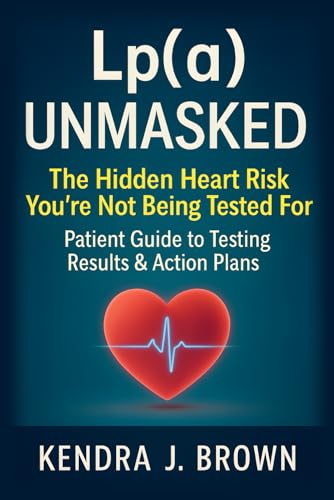
Lp(a) Unmasked: Lipoprotein(a) The Hidden Heart Risk You’re Not Being Tested For, Patient Guide to Testing Results & Action Plans: Brown, Kendra J.
<strong>This calm, practical patient guide shows you exactly what Lp(a) is, how to test it once and read it right, and—most importantly—how to lower your overall cardiovascular risk even if Lp(a)</str

Life Extension No Flush Niacin, B3 for Heart Health, Cholesterol & Energy Support, Non-GMO, Gluten-Free, 100 Capsules : Everything Else
Berg Highly-Potent Niacin 500 mg – Now Only 125 mg per Capsule for Niacin Flush Tolerance Building – Gradually Increase to 500mg a Day – Vitamin B3 for Heart, Brain & Energy Support – 100 Capsules
Evidence & Sources
Supported by multiple clinical trials and systematic reviews
- American Heart Association
- European Atherosclerosis Society Consensus Statement
- American College of Cardiology/American Heart Association Cholesterol Guidelines
- National Lipid Association
- National Heart, Lung, and Blood Institute (NHLBI)
- Cleveland Clinic Journal of Medicine
- Journal of the American College of Cardiology
- New England Journal of Medicine
This content is for informational purposes only and does not constitute medical advice. Always consult a qualified healthcare provider before starting, stopping, or changing any supplement or medication regimen.