

Lipid Panel
Also known as: Cholesterol Panel, Fasting Lipid Profile, Lipid Profile
Overview
A lipid panel is a group of blood tests that measures key fats in the bloodstream, most commonly total cholesterol, low-density lipoprotein (LDL) cholesterol, high-density lipoprotein (HDL) cholesterol, and triglycerides. Some panels also report non-HDL cholesterol, very-low-density lipoprotein (VLDL) estimates, or apolipoprotein-related markers depending on the laboratory and clinical context. These measurements are widely used to help assess cardiovascular risk, because abnormal blood lipid patterns are associated with atherosclerosis, the gradual buildup of plaque in the arteries.
Lipid testing is significant because cardiovascular disease remains one of the leading causes of illness and death worldwide. Research has consistently linked elevated LDL cholesterol and certain triglyceride abnormalities with a higher likelihood of coronary artery disease, stroke, and peripheral vascular disease. At the same time, interpretation has become more nuanced: clinicians increasingly evaluate lipid values alongside other factors such as blood pressure, diabetes status, smoking, family history, age, inflammatory conditions, and overall metabolic health rather than treating the lipid panel as a stand-alone predictor.
A lipid panel may be obtained as part of routine preventive screening, follow-up for known dyslipidemia, or evaluation of related conditions such as metabolic syndrome, diabetes, hypothyroidism, liver disease, kidney disease, or inherited lipid disorders. Historically, fasting samples were commonly used, but many professional organizations now recognize that nonfasting lipid panels are appropriate in many settings, with fasting sometimes reserved for more specific triglyceride evaluation or clarification of borderline results.
Although the lipid panel is a conventional laboratory test, its findings often intersect with broader health frameworks. In integrative settings, abnormal lipid values may be considered alongside dietary patterns, physical activity, stress, sleep, digestive health, body composition, and constitutional tendencies. As with any lab result, interpretation is most meaningful when placed in the context of the individual’s overall health picture and reviewed with a qualified healthcare professional.
Medical Perspectives
Two Ways of Seeing Health

Western
scientific · clinical
Western medicine applies science, technology, and clinical experience to treat symptoms through testing, diagnosis, and targeted intervention.

Eastern
traditional · alternative
Eastern medicine focuses on treating the body naturally by applying traditional knowledge practiced for thousands of years, emphasizing balance and whole-person wellness.
Gold Bamboo presents both perspectives side-by-side so you can make informed decisions. We don't advocate for one over the other — your health choices are yours.
Western Medicine Perspective
Western Medicine Perspective
In conventional medicine, the lipid panel is a core tool for risk stratification rather than a diagnosis by itself. Elevated LDL cholesterol is generally viewed as a central contributor to atherosclerotic cardiovascular disease, while HDL cholesterol and triglycerides provide additional context about metabolic and vascular health. Clinical guidelines often use lipid values together with validated risk calculators to estimate the likelihood of future cardiovascular events and to guide discussions about prevention. In some cases, additional markers such as ApoB, lipoprotein(a), or coronary artery calcium scoring may be used to refine risk assessment.
Interpretation depends on pattern as well as magnitude. For example, very high triglycerides may raise concern not only for cardiovascular risk but also for pancreatitis in some settings. Low HDL can be seen in insulin resistance and metabolic syndrome, while markedly elevated LDL may suggest familial hypercholesterolemia or other inherited disorders. Secondary causes are also considered, including diabetes, thyroid dysfunction, nephrotic syndrome, chronic kidney disease, obesity, liver disorders, alcohol use, and medication effects.
Current research and guideline-based care emphasize that lipid management is not solely about a single lab threshold. Studies indicate that reducing atherogenic lipoproteins, especially LDL-related particles, is associated with lower cardiovascular event rates in many populations. At the same time, conventional medicine increasingly recognizes the importance of overall cardiometabolic context, including inflammation, glycemic status, body weight, exercise, diet quality, and social determinants of health. Patients are generally encouraged to review lipid results with their healthcare team for individualized interpretation, especially when results are significantly abnormal or there is a personal or family history of cardiovascular disease.
Eastern & Traditional Perspective
Eastern and Traditional Medicine Perspective
Traditional medical systems do not typically use the modern concept of a lipid panel, but they often interpret patterns associated with abnormal cholesterol and triglycerides through broader functional frameworks. In Traditional Chinese Medicine (TCM), presentations that overlap with dyslipidemia may be discussed in terms such as phlegm-damp accumulation, spleen deficiency, liver qi stagnation, blood stasis, or damp-heat, depending on the person’s overall pattern. Rather than focusing on cholesterol as an isolated substance, TCM traditionally considers how digestion, fluid metabolism, emotional balance, and circulation contribute to systemic imbalance.
In Ayurveda, lipid abnormalities may be viewed through disturbances involving meda dhatu (fat tissue metabolism), agni (digestive/metabolic fire), and ama (metabolic residue or incomplete digestion). Individuals may be described as having patterns involving heaviness, sluggish metabolism, or kapha-related imbalance, though presentations can vary considerably. Naturopathic and integrative traditions likewise tend to frame lipid abnormalities within a larger picture that includes nutrition quality, movement, stress physiology, inflammatory load, and hepatic or digestive function.
It is important to note that these traditional interpretations are not direct equivalents to biomedical lipid physiology, and the research base is more limited and heterogeneous. Some studies have examined traditional dietary patterns, mind-body practices, and botanical approaches in relation to cholesterol and triglycerides, with mixed but evolving findings. In integrative care, traditional frameworks may be used to contextualize lifestyle patterns and symptom clusters, while the lipid panel itself remains a biomedical measurement that is typically monitored and interpreted using modern laboratory standards.
Supplements & Products
Recommended Products
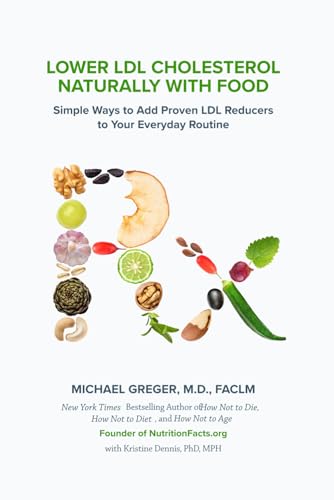
Cholesterol Down: Ten Simple Steps to Lower Your Cholesterol in Four Weeks-Without Prescription Drugs: Brill, Janet
Janet Brill offers you a revolutionary ... Cholesterol Down Plan, you simply <strong>add nine “miracle foods” to your regular diet and thirty minutes of walking to your daily routine</strong>....
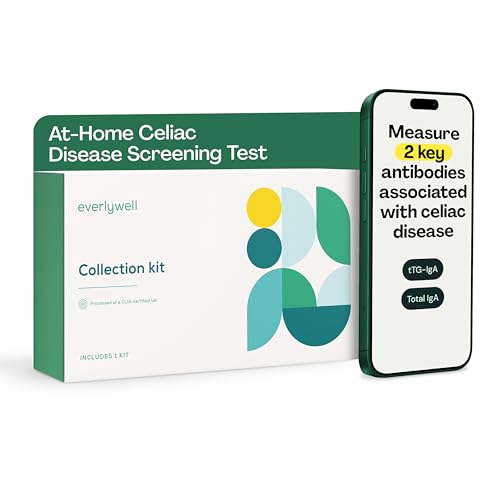
Everlywell At
Buy Everlywell At-Home Cholesterol and Lipids Lab Test Collection Kit for Women and Men, Measures HDL, LDL and Triglycerides for Accurate Results from a CLIA-Certified Lab Within Days, for Ages 18 Plu

Nature Made CholestOFF Plus Plant Sterols and Stanols 210 Softgels
This statement has not been evaluated by the Food and Drug Administration; This product is not intended to diagnose, treat, cure or prevent any disease 900 mg. Plant Sterols And Stanols per Serving Gl
Evidence & Sources
Supported by multiple clinical trials and systematic reviews
- American Heart Association
- U.S. Preventive Services Task Force
- American College of Cardiology/American Heart Association Cholesterol Guidelines
- National Heart, Lung, and Blood Institute
- Centers for Disease Control and Prevention
- European Society of Cardiology/European Atherosclerosis Society Guidelines
- The Lancet
- Journal of the American College of Cardiology
This content is for informational purposes only and does not constitute medical advice. Always consult a qualified healthcare provider before starting, stopping, or changing any supplement or medication regimen.