

Heavy Metal Panel
Also known as: Heavy Metals Test, Metal Toxicity Panel, Toxic Metals Test
Overview
A Heavy Metal Panel is a laboratory test used to assess exposure to metals such as lead, mercury, arsenic, and cadmium, and in some cases additional elements depending on the laboratory and specimen type. These metals are of medical interest because excessive exposure may affect multiple organ systems, including the nervous system, kidneys, gastrointestinal tract, cardiovascular system, and developing fetus. In both conventional and integrative settings, heavy metal testing is often discussed when there is concern about occupational exposure, contaminated water or food, certain industrial environments, older housing, tobacco smoke, seafood-related mercury exposure, or use of some traditional products and supplements.
Heavy metal panels are not a single universal test. Testing may be performed on whole blood, serum, urine, red blood cells, hair, or other specimens, and the interpretation depends heavily on the metal being measured, the timing of exposure, and the test method used. For example, blood lead is widely used to assess recent or ongoing exposure, while urine arsenic may be useful in selected contexts, especially when differentiating organic arsenic from seafood-related exposure. This variability is one reason heavy metal testing can be complex: an abnormal result does not always indicate toxicity, and a normal result does not always exclude prior exposure.
Interest in heavy metal panels is especially common in alternative medicine circles because nonspecific symptoms such as fatigue, headaches, cognitive complaints, mood changes, digestive symptoms, and chronic inflammation are sometimes attributed to low-level metal burden. However, these symptoms are not specific to heavy metal exposure, and research supports a careful, context-based interpretation rather than broad screening in all individuals. Clinical meaning depends on the person’s history, symptoms, exposure sources, occupation, diet, and coexisting conditions, as well as the quality of the laboratory methods.
In practice, heavy metal panels may play different roles: screening in high-risk populations, confirmation after a known exposure, monitoring after an environmental incident, or part of a broader diagnostic workup. Because the topic is frequently linked to "detox" discussions, it is important to distinguish between validated medical toxicology testing and less standardized testing approaches sometimes marketed in wellness settings. Mainstream medical organizations emphasize that interpretation is best done by qualified clinicians, particularly because specimen choice, reference ranges, and false-positive or misleading results can significantly affect conclusions.
Medical Perspectives
Two Ways of Seeing Health

Western
scientific · clinical
Western medicine applies science, technology, and clinical experience to treat symptoms through testing, diagnosis, and targeted intervention.

Eastern
traditional · alternative
Eastern medicine focuses on treating the body naturally by applying traditional knowledge practiced for thousands of years, emphasizing balance and whole-person wellness.
Gold Bamboo presents both perspectives side-by-side so you can make informed decisions. We don't advocate for one over the other — your health choices are yours.
Western Medicine Perspective
Western / Conventional Medicine Perspective
In conventional medicine, heavy metal testing is grounded in toxicology, occupational medicine, environmental health, and public health screening. The clinical value of a heavy metal panel depends on whether there is a credible exposure history or symptoms consistent with toxicity. Western medicine generally does not treat broad heavy metal screening as routine for the general population without a specific reason. Instead, testing is considered most appropriate in contexts such as workplace exposure, lead screening in children, suspected poisoning, contaminated water exposure, certain fish consumption patterns, or use of imported remedies, cosmetics, or pottery that may contain metals.
Different metals require different testing strategies. Lead is commonly assessed with a venous blood lead level, which is the standard method used in public health and pediatric screening. Mercury testing may involve blood or urine depending on the suspected form of exposure, since elemental, inorganic, and organic mercury behave differently in the body. Arsenic is often evaluated using urine testing, but interpretation can be confounded by recent seafood intake unless arsenic speciation is performed. Cadmium may be measured in blood or urine, with urine often reflecting body burden in chronic exposure. Conventional interpretation relies on validated specimen types, exposure timing, toxicokinetics, and recognized reference standards.
Conventional medicine is cautious about nonstandard tests, particularly provoked urine testing performed after administration of chelating agents. Major toxicology and medical organizations have questioned the diagnostic value of these methods because they can artificially increase urinary metal excretion and may lead to overdiagnosis. Similarly, hair mineral analysis remains controversial as a diagnostic tool for toxicity because results may be affected by external contamination, lab variability, and uncertain reference ranges. As a result, evidence-based practice tends to favor certified laboratory testing interpreted alongside history, physical findings, and, when needed, additional organ function testing.
When heavy metal exposure is confirmed, conventional management focuses on identifying and removing the exposure source, assessing organ effects, and in severe cases considering established medical toxicology interventions. Research strongly supports the harms of significant exposure to metals such as lead and mercury, especially for neurologic development in children and fetal health during pregnancy. At lower exposure levels, the science is more nuanced: studies indicate associations with cardiovascular, renal, cognitive, and immune effects, but risk depends on dose, duration, chemical form, and individual susceptibility.
Eastern & Traditional Perspective
Eastern / Traditional Medicine Perspective
In traditional and integrative systems, a Heavy Metal Panel is generally not part of classical diagnostic frameworks, but it is often incorporated into modern practice as a bridge between laboratory medicine and holistic assessment. Practitioners of Traditional Chinese Medicine (TCM), Ayurveda, naturopathy, and functional or integrative medicine may view confirmed metal exposure as a factor that can contribute to broader patterns of imbalance involving vitality, digestion, elimination, mental clarity, inflammatory burden, or resilience to environmental stressors. Within these frameworks, laboratory data may be interpreted not only as evidence of toxic exposure, but also as a clue to how environmental factors interact with the whole person.
In TCM, toxic burden may be discussed in terms such as heat toxin, phlegm, blood stasis, or impairment of the Lung, Liver, Kidney, and Spleen systems, depending on the symptom pattern. A practitioner may conceptually relate metal exposure to disturbances in detoxification, fluid metabolism, or neurologic function, though these are traditional pattern-based interpretations rather than direct biochemical equivalents. In Ayurveda, environmental toxins are sometimes discussed through concepts such as ama (accumulated metabolic waste or toxic residue) and imbalance in the doshas, especially when symptoms involve cognition, fatigue, digestion, or skin changes. These traditions emphasize that symptoms arise from a constellation of internal and external influences rather than a laboratory value alone.
Naturopathic and integrative practitioners frequently place heavy metal panels within a broader discussion of environmental medicine, including food, air, water, occupational exposures, and the body’s capacity for biotransformation and elimination. In these settings, testing may be used as one data point in evaluating chronic symptom patterns, although the quality and clinical relevance of different testing methods can vary substantially. More evidence-aligned integrative practitioners often distinguish between standard toxicology testing and wellness-oriented approaches that have less validation.
Traditional systems also bring an important philosophical perspective: they tend to emphasize the relationship between environment, constitution, and long-term balance. This can be useful in contextualizing why some people seek heavy metal testing even when symptoms are nonspecific. At the same time, responsible traditional and integrative care generally recognizes that suspected heavy metal toxicity requires careful medical evaluation, especially because significant exposure can involve serious neurologic, renal, developmental, or hematologic consequences that exceed the scope of traditional pattern diagnosis alone.
Supplements & Products
Recommended Products
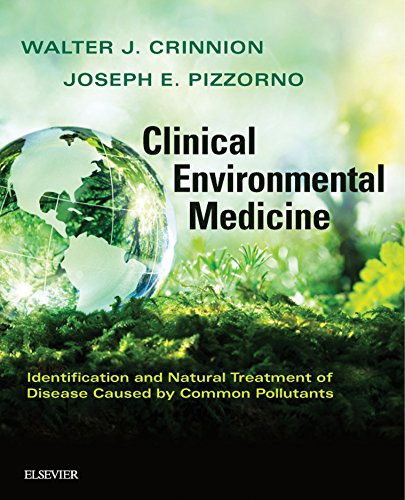
Clinical Environmental Medicine: Identification and Natural Treatment of Diseases Caused by Common Pollutants 1, Crinnion, Walter J., Pizzorno ND, Joseph E. - Amazon.com
The first edition of this text ... authors Walter Crinnion and Joseph E. Pizzorno offer <strong>practical guidance for assessing both total body load as well as specific toxins</strong>....
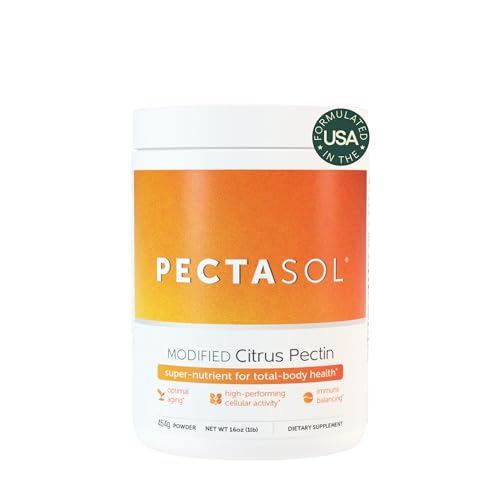
PectaSol Modified Citrus Pectin – 150g Powder – Total-Body Health Supplement to Support The Heart, Immune System, Inflammation Response & Healthy Aging + Maintain Healthy Galectin-3 Levels
PectaSol Modified Citrus Pectin – 90 Capsules – <strong>Total-Body Health Supplement to Support the Heart, Immune System, Inflammation Response & Healthy Aging + Maintain Healthy Galectin-3 Levels

NOW Supplements, NAC (N-Acetyl Cysteine) 600 mg with Selenium, 250 Veg Capsules
Buy NOW Supplements, NAC (N-Acetyl Cysteine) 600 mg with Selenium, 250 Veg Capsules on Amazon.com ✓ FREE SHIPPING on qualified orders
Evidence & Sources
Promising research with growing clinical support from multiple studies
- Centers for Disease Control and Prevention (CDC)
- Agency for Toxic Substances and Disease Registry (ATSDR)
- National Institute of Environmental Health Sciences (NIEHS)
- National Institute for Occupational Safety and Health (NIOSH)
- American College of Medical Toxicology (ACMT)
- World Health Organization (WHO)
- National Center for Complementary and Integrative Health (NCCIH)
- Environmental Protection Agency (EPA)
This content is for informational purposes only and does not constitute medical advice. Always consult a qualified healthcare provider before starting, stopping, or changing any supplement or medication regimen.