

Heart Rate Variability
Also known as: HRV, Heart Rhythm Variability, Autonomic Balance Tracking
Heart Rate Variability Overview
Heart rate variability (HRV) refers to the natural variation in the time interval between one heartbeat and the next. Rather than indicating an irregular heartbeat in the pathological sense, HRV describes the moment-to-moment flexibility of cardiac rhythm as it is shaped by the autonomic nervous system, especially the dynamic balance between sympathetic (“fight-or-flight”) and parasympathetic (“rest-and-digest”) activity. In health discussions, HRV is commonly used as a physiologic marker of stress response, recovery capacity, sleep quality, training load, and overall autonomic resilience.
HRV is typically assessed using electrocardiography (ECG) or validated wearable devices, and interpreted through time-domain, frequency-domain, or non-linear metrics. Research suggests that higher HRV is often associated with greater adaptability and autonomic flexibility, while lower HRV may be seen in states of chronic stress, poor sleep, illness, overreaching in athletes, metabolic dysfunction, or cardiovascular disease. At the same time, HRV is highly individualized: age, sex, fitness level, medications, circadian rhythm, hydration, alcohol intake, infection, and measurement method can all influence readings. For this reason, HRV is generally considered most meaningful when tracked over time within the same person, rather than compared loosely across populations.
Interest in HRV has expanded beyond cardiology into sports medicine, behavioral health, occupational stress research, and digital health. Consumers often encounter HRV through fitness trackers and recovery apps, where it is presented as a window into readiness and nervous system regulation. While this growing accessibility has increased public awareness, it has also created confusion. HRV is not a stand-alone diagnosis, and a single low reading does not necessarily indicate disease. Instead, it is best understood as one physiologic signal that may reflect how the body is responding to internal and external demands.
From a broader health perspective, HRV sits at the intersection of cardiovascular regulation, brain-body communication, inflammation, and stress physiology. Studies indicate associations between reduced HRV and worse outcomes in several conditions, including depression, diabetes, hypertension, and cardiovascular disease. Researchers are also examining HRV-guided training, biofeedback, and mindfulness-based practices as ways to better understand self-regulation. Because interpretation can be complex, especially in the presence of symptoms, arrhythmias, or chronic illness, HRV data is best considered in context and discussed with qualified healthcare professionals when needed.
Medical Perspectives
Two Ways of Seeing Health

Western
scientific · clinical
Western medicine applies science, technology, and clinical experience to treat symptoms through testing, diagnosis, and targeted intervention.

Eastern
traditional · alternative
Eastern medicine focuses on treating the body naturally by applying traditional knowledge practiced for thousands of years, emphasizing balance and whole-person wellness.
Gold Bamboo presents both perspectives side-by-side so you can make informed decisions. We don't advocate for one over the other — your health choices are yours.
Western Medicine Perspective
Western Medicine Perspective
In conventional medicine, HRV is understood as a quantifiable marker of autonomic nervous system function and cardiac neuroregulation. The sinoatrial node does not fire at perfectly fixed intervals; instead, beat-to-beat timing changes continuously under the influence of vagal input, sympathetic tone, baroreflex activity, respiration, endocrine signaling, and central nervous system regulation. Clinical and research use of HRV has been especially important in cardiology, where reduced HRV has been associated with higher risk after myocardial infarction and with broader cardiovascular dysregulation. In psychophysiology, HRV is also studied as an indicator of emotional regulation and stress adaptability.
Western assessment of HRV relies on standardized measurement principles. Common metrics include SDNN, RMSSD, pNN50, LF/HF-related frequency measures, and non-linear indices. Short-term recordings are often used for wellness or laboratory assessment, while longer ECG recordings may be used in research or specialty clinical settings. Researchers caution that interpretation depends heavily on measurement conditions, breathing pattern, body position, recording length, device validity, and whether normal sinus rhythm is present. Wearables may provide useful trend data, but they are not interchangeable with medical-grade diagnostics in all situations.
From a conventional care perspective, HRV is not usually treated as a disease itself. Rather, it may be explored as a biomarker linked to stress burden, recovery status, cardiometabolic health, sleep disturbance, psychiatric symptoms, inflammation, and physical conditioning. Interventions studied in the medical literature include exercise training, sleep optimization, stress reduction, paced breathing, HRV biofeedback, and management of underlying medical conditions. Evidence is strongest for HRV as a research and monitoring tool, while its role in consumer self-tracking continues to evolve. Anyone using HRV data in the context of palpitations, fainting, chest symptoms, medication changes, or known heart disease would generally benefit from clinical interpretation rather than relying on app-based scores alone.
Eastern & Traditional Perspective
Eastern and Traditional Medicine Perspective
In Traditional Chinese Medicine (TCM), there is no direct historical equivalent to the modern metric of HRV, but its underlying themes overlap with classical concepts of balance, adaptability, and the smooth regulation of Heart, Liver, and Kidney systems, as well as the circulation of Qi and Blood. A state of physiologic flexibility may be viewed as reflecting harmonious interaction between the Heart Shen, Liver Qi flow, and the body’s restorative capacities. Patterns associated with stress, poor sleep, emotional constraint, exhaustion, or depletion may be interpreted as forms of dysregulation that parallel the modern observation of reduced autonomic resilience. Contemporary integrative practitioners sometimes use HRV trends alongside TCM pattern differentiation, while recognizing that HRV itself is a modern biomedical measurement.
In Ayurveda, HRV is sometimes discussed as a possible physiologic correlate of nervous system balance, resilience, and adaptability, particularly in relation to the regulation of Vata and the body’s capacity to maintain homeostasis under stress. Although classical Ayurvedic texts do not describe HRV as a numeric biomarker, modern Ayurvedic interpretation may connect fluctuations in vitality, sleep, digestion, and mental steadiness with broader patterns of autonomic regulation. Similar perspectives appear in naturopathy and mind-body traditions, where HRV may be viewed as reflecting the body’s ability to transition efficiently between activation and restoration.
Traditional and integrative systems often emphasize practices historically used to support regulation of breath, attention, sleep, emotional steadiness, and daily rhythms—such as meditation, breathwork, yoga, tai chi, qigong, and acupuncture. Research suggests some of these approaches may influence HRV parameters, though study quality and consistency vary by modality. From an eastern perspective, HRV can be seen less as an isolated target and more as a modern measurable expression of systemic balance. As with all integrative interpretation, traditional frameworks are best considered complementary to medical evaluation, particularly when cardiovascular symptoms or significant health concerns are present.
Supplements & Products
Recommended Products

Heart Breath Mind: Train Your Heart to Conquer Stress and Achieve Success: Lagos, Leah
Stress is not in your head, it’s in your body―this is the key to peak performance that Leah Lagos, PsyD, BCB, an internationally known expert in biofeedback and sport and performance psychology, wants
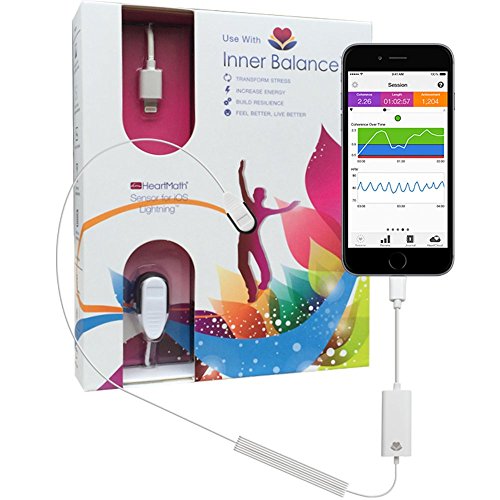
HeartMath Inner Balance Lightning
Research shows that when we are ... improved cognitive function. Inner Balance <strong>uses HeartMath's patented technology to monitor the subtle beat-to-beat changes in your heart rhythms</stron
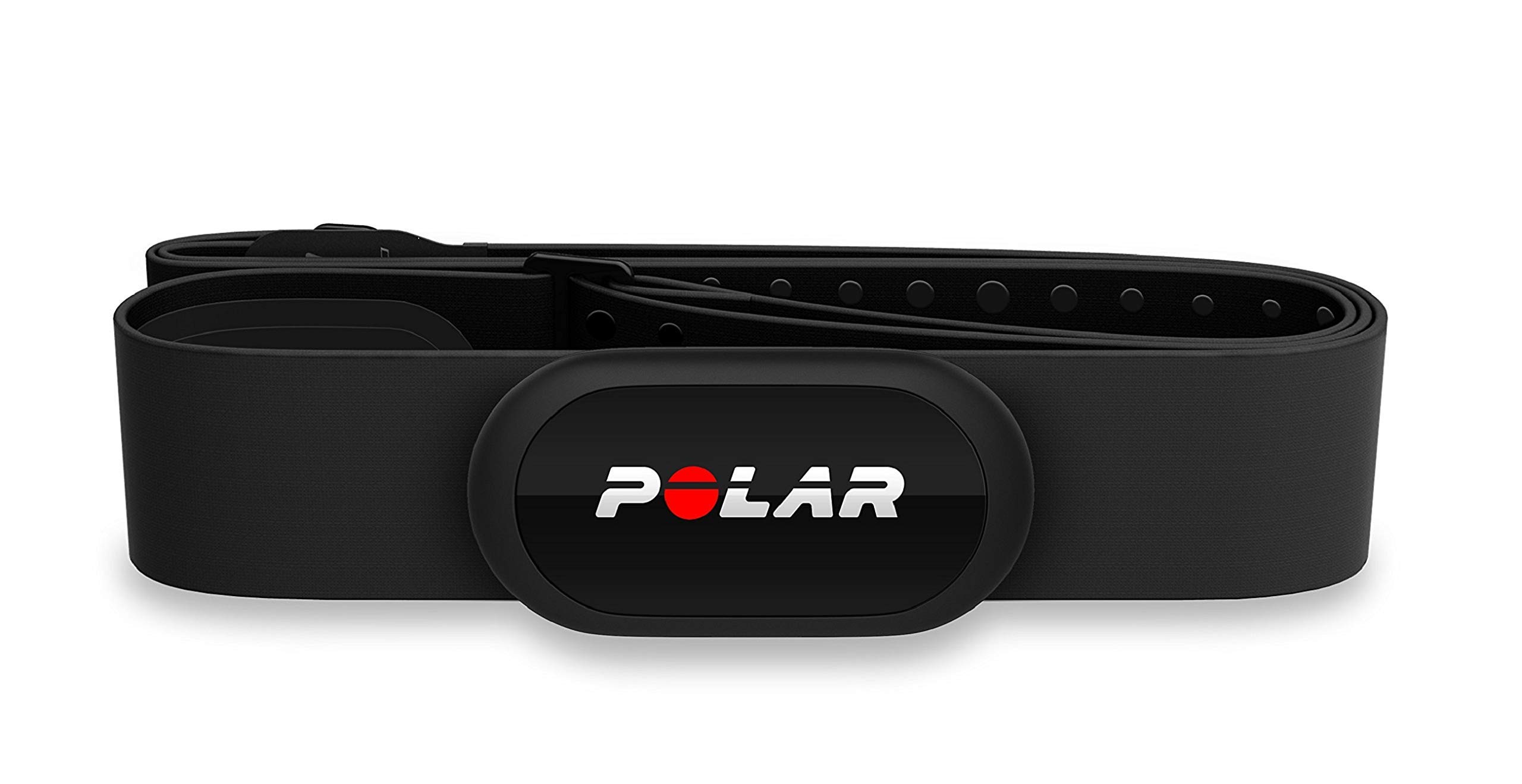
Polar H10 Heart Rate Monitor Chest Strap - ANT + Bluetooth, Waterproof HR Sensor for Men and Women : Everything Else
CONNECTIVITY: Bluetooth, ANT plus and 5 kHz provide an excellent variety of connection options. <strong>You can use Bluetooth and ANT plus connections simultaneously as well as two Bluetooth connectio
Evidence & Sources
Promising research with growing clinical support from multiple studies
- Task Force of the European Society of Cardiology and the North American Society of Pacing and Electrophysiology, Circulation
- European Heart Journal
- Journal of the American College of Cardiology
- Frontiers in Public Health
- Psychophysiology
- National Center for Complementary and Integrative Health (NCCIH)
- World Health Organization (WHO)
- Sports Medicine
This content is for informational purposes only and does not constitute medical advice. Always consult a qualified healthcare provider before starting, stopping, or changing any supplement or medication regimen.