

Free T4
Also known as: FT4, Free Thyroxine, Thyroxine Free
Overview
Free T4 (free thyroxine) is a laboratory test that measures the fraction of thyroxine circulating in the blood that is not bound to proteins. Thyroxine, often abbreviated T4, is one of the main hormones produced by the thyroid gland. Most T4 in the bloodstream is attached to transport proteins such as thyroxine-binding globulin, while only a small portion remains “free” and biologically available to tissues. Because of this, Free T4 is often considered a more clinically useful reflection of thyroid hormone status than total T4 in many settings.
Free T4 plays an important role in evaluating thyroid output and hormone balance. In conventional and integrative practice, it is commonly interpreted together with thyroid-stimulating hormone (TSH) and often Free T3, since thyroid physiology depends on signaling between the hypothalamus, pituitary, thyroid gland, and peripheral tissues that convert T4 into the more active hormone T3. Abnormal Free T4 levels may be associated with hypothyroidism, hyperthyroidism, pituitary disorders, thyroid hormone replacement monitoring, pregnancy-related thyroid changes, and certain medication effects.
The test is widely used because thyroid dysfunction is common. Hypothyroidism and hyperthyroidism affect substantial numbers of adults worldwide, with prevalence varying by age, sex, iodine intake, autoimmune disease burden, and screening practices. Free T4 is especially valuable when symptoms such as fatigue, weight change, palpitations, temperature intolerance, menstrual changes, mood changes, constipation, or hair and skin changes raise concern for altered thyroid function, although symptoms alone are not specific.
Interpretation of Free T4 is nuanced. A value may appear normal, low, or high depending on laboratory reference ranges, timing, pregnancy status, acute illness, and medications such as biotin, amiodarone, glucocorticoids, anticonvulsants, estrogen therapy, and thyroid hormone preparations. For that reason, clinicians generally interpret Free T4 in clinical context, rather than as a standalone indicator. Consultation with a qualified healthcare professional is important when reviewing thyroid laboratory patterns, particularly when symptoms, medications, or other endocrine conditions may influence results.
Medical Perspectives
Two Ways of Seeing Health

Western
scientific · clinical
Western medicine applies science, technology, and clinical experience to treat symptoms through testing, diagnosis, and targeted intervention.

Eastern
traditional · alternative
Eastern medicine focuses on treating the body naturally by applying traditional knowledge practiced for thousands of years, emphasizing balance and whole-person wellness.
Gold Bamboo presents both perspectives side-by-side so you can make informed decisions. We don't advocate for one over the other — your health choices are yours.
Western Medicine Perspective
Western Medicine Perspective
In conventional medicine, Free T4 is a core thyroid function test used to assess how much hormone the thyroid gland is producing and releasing into circulation. It is usually ordered with TSH, and sometimes Free T3, because these markers provide complementary information. A high TSH with low Free T4 often suggests primary hypothyroidism, while a low TSH with high Free T4 may indicate hyperthyroidism. In contrast, low or inappropriately normal TSH with low Free T4 can raise concern for central hypothyroidism involving the pituitary or hypothalamus.
Free T4 is also used in treatment monitoring. In people receiving levothyroxine or other thyroid-related therapies, Free T4 can help clinicians assess replacement adequacy or identify over-replacement, though TSH often remains the primary marker in many outpatient settings. In pregnancy, serious illness, and hospitalized patients, interpretation becomes more complex because thyroid-binding proteins, deiodinase activity, and the so-called non-thyroidal illness response can alter laboratory values. Assay limitations also matter: different laboratory methods may vary in accuracy, particularly in situations with altered binding proteins.
Conventional endocrinology recognizes that Free T4 is an important but not solitary measure. Diagnosis typically integrates symptoms, physical findings, family history, autoimmune markers such as thyroid peroxidase antibodies, imaging when appropriate, and repeat testing if results are borderline or discordant. Research and professional guidelines support Free T4 as a standard component of thyroid assessment, particularly when TSH is abnormal or pituitary disease is suspected.
Eastern & Traditional Perspective
Eastern/Traditional Medicine Perspective
In Traditional Chinese Medicine (TCM) and other traditional systems, laboratory values such as Free T4 are generally not viewed as diseases in themselves but as one piece of a broader pattern. A person with low thyroid-related function may be understood through patterns such as Kidney Yang deficiency, Spleen Qi deficiency, or Phlegm-Damp accumulation, depending on the full symptom picture. Fatigue, cold intolerance, edema, slowed metabolism, and low vitality might be interpreted as signs of diminished warming or transformative functions within the body. From this perspective, Free T4 can serve as a modern biomarker that helps track physiological change while the traditional assessment remains rooted in pattern differentiation.
In Ayurveda, symptoms associated with altered thyroid activity may be framed in terms of imbalance in agni (metabolic fire), kapha, vata, or tissue-level function, rather than a single gland-centered model. Sluggish metabolism, heaviness, dry skin, or fatigue may be interpreted differently depending on constitution and systemic presentation. Traditional frameworks often emphasize digestion, energy regulation, stress burden, sleep, and whole-body balance when considering endocrine-related concerns.
Naturopathic and integrative medicine commonly incorporate Free T4 into a broader thyroid panel while also considering nutrition, stress physiology, inflammation, gastrointestinal health, and environmental influences. Research interest exists around the relationships between thyroid function and selenium, iodine status, iron deficiency, autoimmune activity, and chronic stress, though these associations do not always translate into simple cause-and-effect conclusions. Across traditional and integrative systems, Free T4 is typically treated as a useful laboratory marker that may complement, rather than replace, individualized clinical evaluation by qualified practitioners.
Supplements & Products
Recommended Products

Why Do I Still Have Thyroid Symptoms? when My Lab Tests Are Normal: a Revolutionary Breakthrough in Understanding Hashimoto's Disease and Hypothyroidism: Kharrazian, Dr. Datis
Why Do I Still Have Thyroid Symptoms? when My Lab Tests Are Normal: <strong>a Revolutionary Breakthrough in Understanding Hashimoto's Disease and Hypothyroidism</strong> [Kharrazian, Dr. Datis] o

Everlywell at
... AT-HOME LAB TESTING: <strong>This easy-to-use, at-home lab test collection kit helps you measure your levels for the 3 main thyroid hormones (TSH, Free T3, and Free T4) plus thyroid antibodies (TP
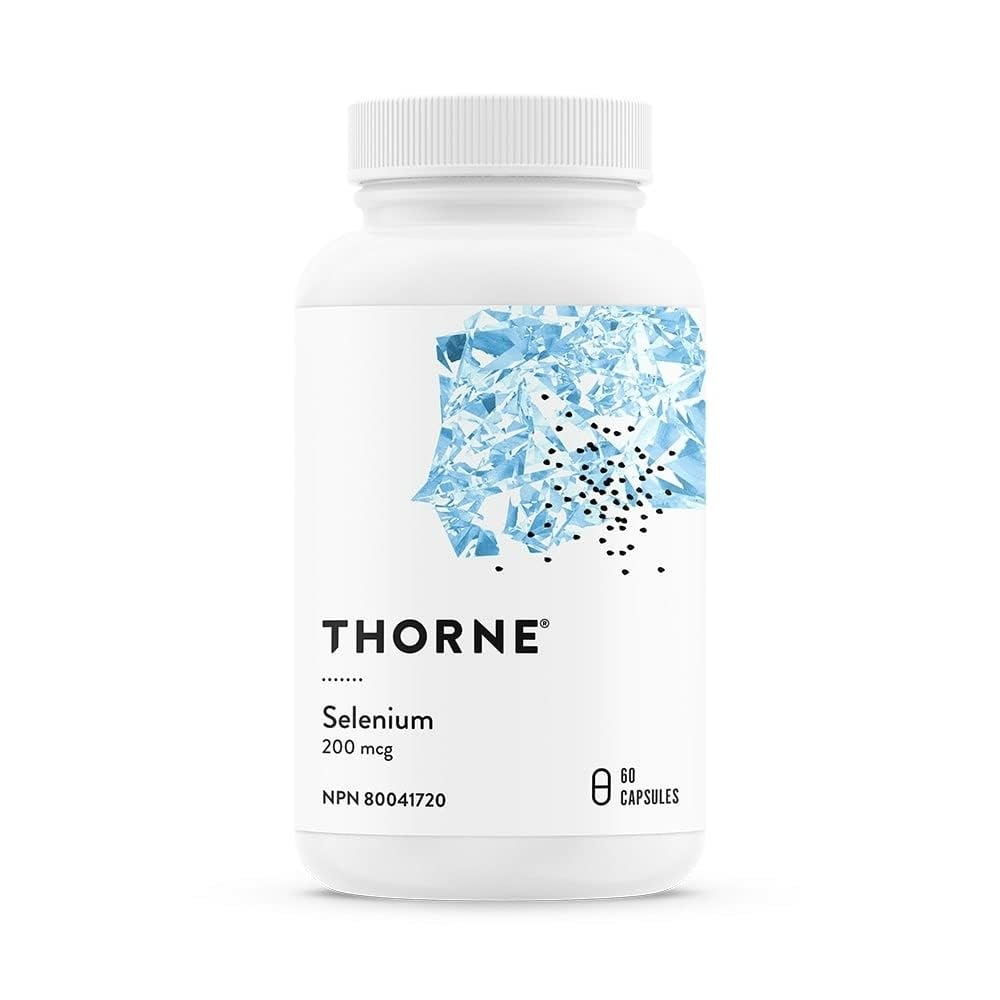
THORNE - Selenium - 200 mcg Selenium Supplement for Antioxidant Support* - 60 Capsules : Everything Else
One Capsule Contains: Selenium (as L-Selenomethionine) 200 mcg.
Evidence & Sources
Supported by multiple clinical trials and systematic reviews
- American Thyroid Association guidelines
- National Institute of Diabetes and Digestive and Kidney Diseases (NIDDK)
- MedlinePlus, U.S. National Library of Medicine
- National Academy of Clinical Biochemistry laboratory medicine guidelines
- The Journal of Clinical Endocrinology & Metabolism
- Endocrine Society clinical guidance
- National Center for Complementary and Integrative Health (NCCIH)
- World Health Organization (WHO) publications on iodine and thyroid health
This content is for informational purposes only and does not constitute medical advice. Always consult a qualified healthcare provider before starting, stopping, or changing any supplement or medication regimen.