

Free T3
Also known as: FT3, Triiodothyronine Free, Free Triiodothyronine
Overview
Free T3 refers to the unbound fraction of triiodothyronine (T3) circulating in the blood. T3 is the thyroid hormone most directly active at the cellular level, influencing metabolism, energy production, heart rate, temperature regulation, gastrointestinal motility, and aspects of mood and cognition. Most circulating T3 is attached to proteins and is not immediately available to tissues; the “free” portion is the amount considered biologically accessible. In clinical discussions, free T3 is often evaluated alongside TSH, free T4, total T3, thyroid antibodies, and sometimes reverse T3 to help build a broader picture of thyroid physiology.
The thyroid gland secretes some T3 directly, but much of the body’s T3 is produced through peripheral conversion of thyroxine (T4) into T3 by deiodinase enzymes in tissues such as the liver, kidneys, and skeletal muscle. Because of this, free T3 is sometimes discussed in the context of thyroid conversion, illness, stress physiology, calorie restriction, inflammation, medication effects, and nutrient status. Interest in this marker is especially common among people who report symptoms often associated with thyroid dysfunction—such as fatigue, cold intolerance, constipation, dry skin, hair changes, or brain fog—even when TSH falls within a reference range.
Interpreting free T3 is complex. A single laboratory value does not always reflect thyroid hormone activity at the tissue level, and results can vary depending on the assay method, laboratory reference intervals, pregnancy status, acute illness, age, medications, and binding protein changes. In conventional endocrinology, free T3 is not always the primary screening test for thyroid disease; however, it may be considered useful in selected scenarios, including suspected hyperthyroidism, T3-predominant thyrotoxicosis, complex thyroid cases, or discordant lab patterns. In functional and integrative medicine, the marker is sometimes viewed more broadly as one clue among many in assessing metabolic and endocrine balance.
Because thyroid symptoms can overlap with many other conditions—including anemia, sleep disorders, depression, chronic stress, nutrient deficiencies, autoimmune disease, and cardiometabolic conditions—free T3 is generally interpreted as one data point rather than a standalone answer. Balanced evaluation typically considers symptoms, medical history, other thyroid markers, and clinical context, ideally with guidance from a qualified healthcare professional.
Medical Perspectives
Two Ways of Seeing Health

Western
scientific · clinical
Western medicine applies science, technology, and clinical experience to treat symptoms through testing, diagnosis, and targeted intervention.

Eastern
traditional · alternative
Eastern medicine focuses on treating the body naturally by applying traditional knowledge practiced for thousands of years, emphasizing balance and whole-person wellness.
Gold Bamboo presents both perspectives side-by-side so you can make informed decisions. We don't advocate for one over the other — your health choices are yours.
Western Medicine Perspective
Western Medicine Perspective
In conventional medicine, thyroid assessment usually begins with thyroid-stimulating hormone (TSH), often with free T4 as a follow-up or companion test. This approach reflects the strong regulatory relationship between the pituitary and thyroid gland and the broad evidence base supporting TSH as a frontline marker for many thyroid disorders. Free T3 is generally considered a more specialized test rather than the main screening tool for hypothyroidism. It may remain within range until later in some thyroid conditions, and levels can be influenced by non-thyroidal factors, which can limit its usefulness as an isolated measurement.
Free T3 can become more relevant in specific clinical settings. In hyperthyroidism, especially T3 toxicosis, free T3 may rise disproportionately and help clarify diagnosis. It may also be reviewed when results are discordant—for example, when symptoms, TSH, and free T4 do not align neatly—or when clinicians are evaluating the effects of thyroid hormone therapy. In hospitalized or severely ill patients, free T3 may be low as part of non-thyroidal illness syndrome (euthyroid sick syndrome), a state in which thyroid hormone metabolism changes during acute stress or systemic illness without necessarily indicating primary thyroid disease.
Conventional endocrinology also recognizes important testing limitations. Free T3 assays are less standardized than some other thyroid measurements, and interpretation can be affected by estrogen status, pregnancy, severe illness, liver disease, kidney disease, corticosteroids, amiodarone, biotin interference, and other medications or physiologic states. For this reason, mainstream guidelines generally emphasize clinical context and full thyroid panels over heavy reliance on free T3 alone. When thyroid-related symptoms persist despite “normal” standard tests, conventional evaluation often expands to include broader differential diagnosis rather than assuming impaired T4-to-T3 conversion as the sole explanation.
Eastern & Traditional Perspective
Eastern / Traditional Medicine Perspective
In Traditional Chinese Medicine (TCM) and other traditional systems, a laboratory value such as free T3 is not usually treated as a diagnosis in itself. Instead, symptoms associated with low or high thyroid activity may be understood through broader pattern-based frameworks. For example, fatigue, coldness, slowed digestion, weight gain tendency, and low motivation may be discussed in relation to patterns sometimes described as Kidney Yang deficiency, Spleen Qi deficiency, or phlegm-damp accumulation. Symptoms such as heat intolerance, palpitations, agitation, irritability, and insomnia may be interpreted through patterns involving Yin deficiency, Liver fire, or internal heat. These are traditional conceptual models rather than direct equivalents of biomedical thyroid disease.
In Ayurveda, thyroid-related symptom patterns are often considered through the lens of dosha balance, agni (metabolic fire), and dhatu nourishment. Slowed metabolism, heaviness, lethargy, and fluid retention may be associated conceptually with Kapha aggravation and weakened digestive/metabolic function, while more hypermetabolic presentations may be framed in terms of Pitta excess or Vata-Pitta imbalance. Naturopathic and integrative frameworks may also discuss free T3 in relation to stress burden, inflammation, nutritional status, gut health, liver function, and adrenal-thyroid interactions, though these models vary in how strongly they are supported by clinical evidence.
Traditional and integrative systems often place emphasis on the whole-person picture—including sleep, emotional health, digestion, menstrual patterns, appetite, pulse and tongue findings in TCM, or constitutional patterns in Ayurveda—rather than focusing on one hormone marker alone. Research into these approaches for thyroid-related symptoms is growing but remains mixed in quality, and traditional interpretations are best understood as complementary explanatory systems rather than substitutes for medical evaluation. Persistent symptoms or abnormal thyroid labs warrant assessment by appropriately qualified healthcare professionals, particularly because thyroid dysfunction can overlap with cardiovascular, reproductive, autoimmune, and mental health concerns.
Supplements & Products
Recommended Products

Why Do I Still Have Thyroid Symptoms? when My Lab Tests Are Normal: a Revolutionary Breakthrough in Understanding Hashimoto's Disease and Hypothyroidism: Kharrazian, Dr. Datis
Why Do I Still Have Thyroid Symptoms? when My Lab Tests Are Normal: <strong>a Revolutionary Breakthrough in Understanding Hashimoto's Disease and Hypothyroidism</strong> [Kharrazian, Dr. Datis] o

Everlywell at
... AT-HOME LAB TESTING: <strong>This easy-to-use, at-home lab test collection kit helps you measure your levels for the 3 main thyroid hormones (TSH, Free T3, and Free T4) plus thyroid antibodies (TP
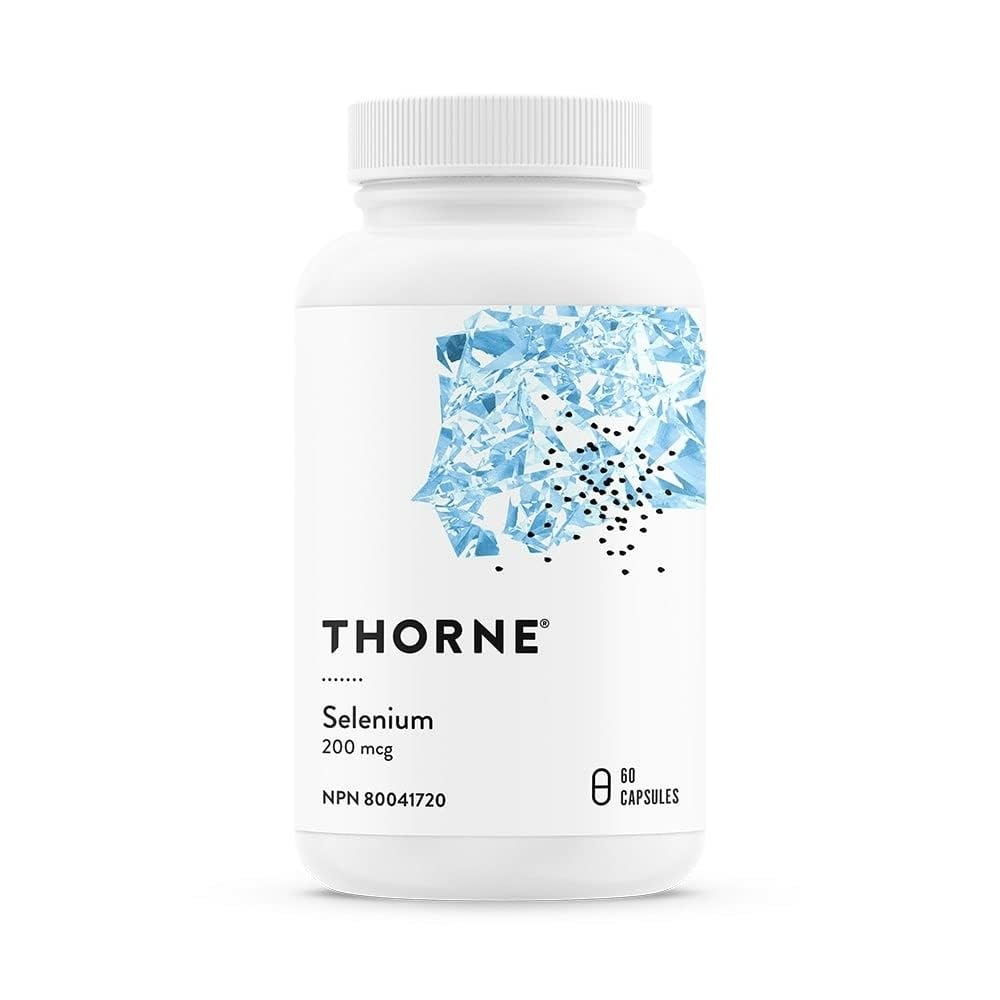
THORNE - Selenium - 200 mcg Selenium Supplement for Antioxidant Support* - 60 Capsules : Everything Else
One Capsule Contains: Selenium (as L-Selenomethionine) 200 mcg.
Evidence & Sources
Promising research with growing clinical support from multiple studies
- American Thyroid Association (ATA) Guidelines for Diagnosis and Management of Thyroid Disease
- AACE/ACE Clinical Practice Guidelines for Hypothyroidism in Adults
- National Institute of Diabetes and Digestive and Kidney Diseases (NIDDK) – Thyroid Disease
- MedlinePlus / U.S. National Library of Medicine – Triiodothyronine (T3) Tests
- The Journal of Clinical Endocrinology & Metabolism
- Endocrine Reviews
- European Thyroid Journal
- National Center for Complementary and Integrative Health (NCCIH)
This content is for informational purposes only and does not constitute medical advice. Always consult a qualified healthcare provider before starting, stopping, or changing any supplement or medication regimen.