

Food Allergy IgE Test
Also known as: IgE Food Allergy Test, Food Allergy Panel, Allergy Blood Test
Overview
Food Allergy IgE testing refers to laboratory blood tests that measure immunoglobulin E (IgE) antibodies directed against specific foods. These tests are used in the evaluation of immediate-type food allergy, a form of immune reaction that can occur within minutes to a few hours after eating. People often look into IgE testing when symptoms suggest a true allergic response rather than a non-immune food intolerance or broader “sensitivity” pattern. Common features that raise suspicion include hives, itching, lip or throat swelling, vomiting soon after eating, wheezing, cough, or more severe reactions such as anaphylaxis.
From a clinical standpoint, the test is not a standalone diagnosis. A positive result indicates sensitization—that the immune system has produced IgE antibodies to a food—but this does not always mean that eating the food will cause symptoms. Likewise, a negative result can lower suspicion for an IgE-mediated allergy, but it does not always exclude every reaction type. For that reason, interpretation depends heavily on the medical history, timing of symptoms, age, coexisting allergic conditions, and sometimes additional testing, such as skin-prick testing or medically supervised oral food challenges.
Food Allergy IgE testing is most commonly considered for foods that account for many clinically significant allergies, including peanut, tree nuts, milk, egg, wheat, soy, fish, and shellfish, though other foods may be evaluated when the history supports it. In recent years, testing has become more sophisticated, including component-resolved diagnostics, which measure IgE to individual proteins within a food and may help clarify risk in certain cases. Even so, experts generally caution against broad, non-targeted food panels in people without a convincing allergy history, because these can lead to confusing results, unnecessary food avoidance, and nutritional or quality-of-life consequences.
Overall, Food Allergy IgE testing is an important tool in modern allergy assessment, especially when used to investigate rapid-onset reactions. Research and specialty guidelines support its role when ordered and interpreted in the context of a full evaluation by a qualified healthcare professional. It is less useful for delayed symptoms, vague digestive complaints, or suspected food intolerance, where other mechanisms may be involved.
Medical Perspectives
Two Ways of Seeing Health

Western
scientific · clinical
Western medicine applies science, technology, and clinical experience to treat symptoms through testing, diagnosis, and targeted intervention.

Eastern
traditional · alternative
Eastern medicine focuses on treating the body naturally by applying traditional knowledge practiced for thousands of years, emphasizing balance and whole-person wellness.
Gold Bamboo presents both perspectives side-by-side so you can make informed decisions. We don't advocate for one over the other — your health choices are yours.
Western Medicine Perspective
Western Medicine Perspective
In conventional medicine, Food Allergy IgE testing is understood as part of the workup for IgE-mediated hypersensitivity. This pathway involves allergens binding to IgE antibodies on mast cells and basophils, triggering release of histamine and other inflammatory mediators. The result may be symptoms such as urticaria, angioedema, wheezing, vomiting, hypotension, or anaphylaxis. Because this mechanism is relatively well characterized, IgE testing has a defined place in allergy practice when the reaction pattern is immediate and clinically suggestive.
Western clinicians generally emphasize that history is central. The most informative evaluation begins with details such as the exact food eaten, amount consumed, how quickly symptoms began, whether the food was tolerated previously, reproducibility of the reaction, and whether cofactors such as exercise or alcohol were involved. Blood-based specific IgE tests and skin-prick tests are then used to support or refine the assessment. In some situations, component testing may help distinguish between higher-risk and lower-risk sensitization patterns, although this varies by food and population. When uncertainty remains, the oral food challenge, performed under medical supervision, is often regarded as the reference standard for confirming or excluding a food allergy.
A major principle in evidence-based allergy care is that positive IgE does not equal clinical allergy. False-positive or clinically irrelevant positive results are common, especially when large test panels are ordered without a clear history. Professional organizations such as the AAAAI, ACAAI, and NIAID have cautioned against indiscriminate testing for this reason. Conventional medicine also distinguishes IgE-mediated food allergy from food intolerance, non-IgE-mediated food allergy, celiac disease, eosinophilic gastrointestinal disorders, and other causes of food-related symptoms, each of which may require different evaluation strategies.
In practice, the value of Food Allergy IgE testing is strongest when it is targeted, symptom-driven, and interpreted by an experienced clinician. Studies and guideline statements support its usefulness for immediate allergic reactions, while also noting important limitations in predictive value, especially in low-risk populations.
Eastern & Traditional Perspective
Eastern/Traditional Medicine Perspective
Traditional medical systems generally do not frame food reactions in terms of IgE antibodies, but many have long recognized that certain foods can provoke rapid or disruptive bodily responses in susceptible individuals. In Traditional Chinese Medicine (TCM), adverse food reactions may be discussed through patterns such as Spleen Qi weakness, Damp accumulation, Phlegm, Wind, Heat, or defensive Qi imbalance, depending on the symptom picture. Sudden hives, itching, swelling, or wheezing after eating might be interpreted as an acute externalized reaction involving Wind and Heat, while recurrent digestive reactivity may be viewed through a broader terrain of digestive and immune imbalance.
In Ayurveda, food reactivity may be described through concepts such as agni (digestive fire), ama (metabolic byproducts/toxic residue), and doshic imbalance. A person who reacts strongly to foods may be understood as having a system that is unable to process certain substances harmoniously, leading to skin, respiratory, or gastrointestinal manifestations. Naturopathic and functional traditions may similarly focus on individual susceptibility, barrier integrity, inflammatory load, and overall constitutional resilience, while still distinguishing between acute allergy and non-allergic food reactions.
From an eastern or integrative perspective, a laboratory IgE test can be seen as a modern biomedical tool that identifies one specific immunologic mechanism, while traditional systems assess the person more holistically. These frameworks are not necessarily in conflict: the IgE test may help clarify whether a rapid, potentially dangerous allergy pathway is involved, whereas traditional systems may place that result within a broader pattern of digestion, environment, stress, and constitutional balance. Still, traditional interpretations are generally pattern-based and individualized, and they are not validated in the same way as immunologic testing.
Because immediate food allergy can be serious, many integrative practitioners acknowledge the importance of conventional allergy evaluation when symptoms include swelling, breathing difficulty, widespread hives, or acute reactions after food exposure. Traditional approaches may be discussed as supportive in a broader wellness context, but they do not replace standard diagnostic methods for identifying IgE-mediated allergy risk.
Supplements & Products
Recommended Products

Food Allergies: A Complete Guide for Eating When Your Life Depends on It (A Johns Hopkins Press Health Book): Sicherer, Scott H.
Scott H. Sicherer, MD, is a professor of pediatrics and the director of the Jaffe Food Allergy Institute at the Icahn School of Medicine at Mount Sinai. He is the deputy editor of the Journal of Aller
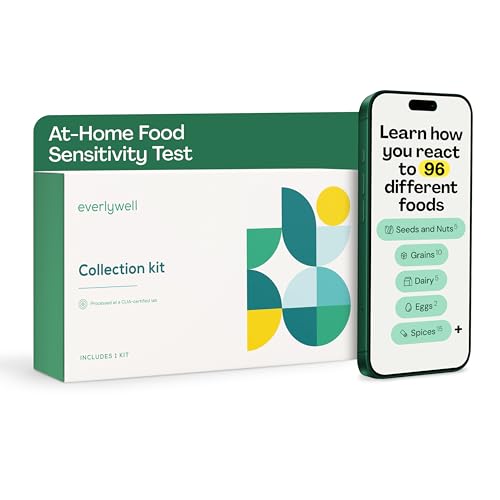
Everlywell Food Sensitivity Test - Learn How Your Body Responds to 96 Different Foods - At
AllergyHero Comprehensive Food Sensitivity Test Kit for Adults & Kids – Easy At-Home Use, Evaluates 286 Foods & Beverages and Identifies Dietary Triggers, Helps with Precise Dietary Choices &a
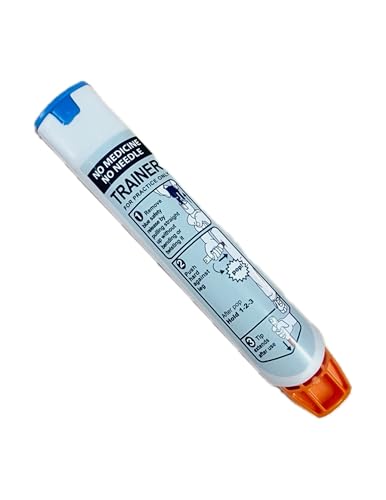
Ursus EpiPen Trainer, 5 Pack, Reusable Auto-Injector Training Device, No Needle, No Medication
Realistic Look & Feel: Mimics the ... using a live medication pen · No Needle, No Medication: <strong>100% safe trainer containing no drug and no sharp components</strong>, suitable for all ages t
Evidence & Sources
Supported by multiple clinical trials and systematic reviews
- NIAID-Sponsored Expert Panel Guidelines for the Diagnosis and Management of Food Allergy
- American Academy of Allergy, Asthma & Immunology (AAAAI)
- American College of Allergy, Asthma & Immunology (ACAAI)
- European Academy of Allergy and Clinical Immunology (EAACI)
- Journal of Allergy and Clinical Immunology
- The Journal of Allergy and Clinical Immunology: In Practice
- National Institute of Allergy and Infectious Diseases (NIAID)
- National Center for Complementary and Integrative Health (NCCIH)
This content is for informational purposes only and does not constitute medical advice. Always consult a qualified healthcare provider before starting, stopping, or changing any supplement or medication regimen.