

Follicle Stimulating Hormone
Also known as: FSH, Follicle Stimulating Hormone Test
Follicle Stimulating Hormone (FSH): Overview
Follicle Stimulating Hormone (FSH) is a pituitary hormone that plays a central role in the reproductive system. It is produced by the anterior pituitary gland under signaling from the hypothalamus and acts on the ovaries in females and the testes in males. In ovarian physiology, FSH supports the growth and maturation of ovarian follicles and contributes to estrogen production. In testicular physiology, it helps regulate spermatogenesis through its actions on Sertoli cells. Because of these functions, FSH is commonly measured in evaluations of fertility, menstrual irregularities, pubertal disorders, gonadal function, and reproductive aging.
FSH levels are dynamic rather than fixed. In menstruating women, levels vary across the menstrual cycle, with values typically interpreted alongside luteinizing hormone (LH), estradiol, progesterone, anti-Müllerian hormone (AMH), prolactin, and thyroid markers. In men, FSH is often assessed together with testosterone, LH, and semen parameters when investigating infertility or suspected testicular dysfunction. Elevated or suppressed FSH does not represent a diagnosis by itself; instead, it is one piece of a broader endocrine picture.
FSH testing is especially relevant in contexts such as diminished ovarian reserve, primary ovarian insufficiency, menopause transition, polycystic ovary syndrome (PCOS), hypothalamic amenorrhea, pituitary disorders, and male infertility. In menopause and ovarian insufficiency, FSH often rises because the ovaries become less responsive to pituitary signaling, reducing estrogen feedback to the brain. In contrast, low or inappropriately normal FSH can be seen when hypothalamic or pituitary signaling is impaired. This pattern-based interpretation is one reason clinicians typically avoid reading FSH in isolation.
In integrative and functional health discussions, FSH is often searched in relation to menstrual cycle changes, fertility workups, perimenopause, and reproductive vitality. A balanced view recognizes that FSH is a valuable biomarker, but its meaning depends heavily on age, sex, cycle timing, symptoms, medication use, and the broader clinical context. Anyone reviewing hormone laboratory results generally benefits from interpretation by a qualified healthcare professional, particularly because normal ranges and testing protocols differ by laboratory and by life stage.
Medical Perspectives
Two Ways of Seeing Health

Western
scientific · clinical
Western medicine applies science, technology, and clinical experience to treat symptoms through testing, diagnosis, and targeted intervention.

Eastern
traditional · alternative
Eastern medicine focuses on treating the body naturally by applying traditional knowledge practiced for thousands of years, emphasizing balance and whole-person wellness.
Gold Bamboo presents both perspectives side-by-side so you can make informed decisions. We don't advocate for one over the other — your health choices are yours.
Western Medicine Perspective
Western / Conventional Medicine Perspective
In conventional medicine, FSH is understood as part of the hypothalamic-pituitary-gonadal (HPG) axis. Gonadotropin-releasing hormone (GnRH) from the hypothalamus stimulates the pituitary to release FSH and LH. These hormones then act on the gonads, while estradiol, inhibin, progesterone, and testosterone provide feedback regulation. This endocrine loop helps coordinate ovulation, menstrual cycling, ovarian reserve signaling, sperm production, and pubertal development. Laboratory assessment of FSH is therefore used less as a standalone answer and more as a marker within a tightly regulated hormonal network.
In women, elevated FSH may be associated with reduced ovarian responsiveness, especially in the setting of menopause or primary ovarian insufficiency. FSH can also be used in fertility evaluations, though modern reproductive endocrinology increasingly interprets it alongside AMH and antral follicle count, which often provide more stable information about ovarian reserve. In men, elevated FSH can suggest primary testicular dysfunction or impaired spermatogenesis, while low FSH may point toward pituitary or hypothalamic causes. In children and adolescents, FSH may help assess delayed or precocious puberty.
Conventional interpretation also emphasizes limitations. FSH fluctuates over time, and in cycling women the day of the menstrual cycle materially affects interpretation. Medications, hormonal contraception, pregnancy status, recent illness, and pituitary conditions can alter results. For that reason, studies and clinical guidelines generally support interpreting FSH as part of a comprehensive reproductive and endocrine assessment, rather than using a single result to define fertility potential or reproductive health in absolute terms. Consultation with a licensed clinician is important when test results appear abnormal or symptoms are present.
Eastern & Traditional Perspective
Eastern / Traditional Medicine Perspective
Traditional medical systems generally do not describe FSH as a discrete entity, but they do address the broader patterns of reproductive function, menstrual rhythm, fertility, vitality, and aging that FSH testing is often used to evaluate. In Traditional Chinese Medicine (TCM), menstrual irregularity, infertility, and menopausal transition are commonly viewed through patterns involving the Kidney, Liver, and Spleen systems, along with the regulation of Qi, Blood, Yin, and Yang. For example, reproductive aging may be discussed in relation to declining Kidney essence, while irregular cycles may be framed through Liver Qi stagnation, Blood deficiency, or phlegm-damp accumulation depending on the overall presentation.
In Ayurveda, reproductive function may be interpreted through the condition of the shukra/artava dhatu, the balance of the doshas, digestive-metabolic function (agni), and tissue nourishment. Menstrual irregularity or fertility challenges may be viewed as reflecting broader systemic imbalance rather than a single hormone abnormality. Naturopathic and other integrative traditions similarly tend to look at hormonal laboratory findings, including FSH, in the context of stress physiology, sleep, nutrition, metabolic health, inflammation, and whole-person symptom patterns.
Research on traditional approaches for fertility support, menstrual symptoms, or menopausal symptoms is growing, but the direct correlation between traditional diagnostic frameworks and laboratory FSH values remains limited. Existing literature suggests that some complementary approaches may influence symptom burden, quality of life, or reproductive health parameters in selected settings, yet results are variable and methodology is mixed. A careful integrative perspective recognizes that traditional systems may offer contextual frameworks for understanding reproductive imbalance, while laboratory hormone testing provides a different, biomedical lens. When symptoms or abnormal hormone results are present, coordination with qualified healthcare practitioners is important.
Supplements & Products
Recommended Products
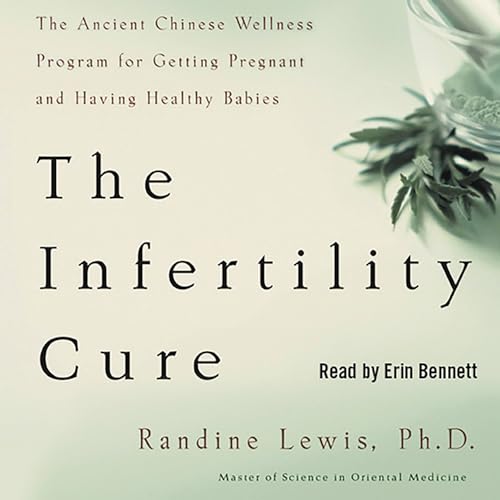
The Infertility Cure: The Ancient Chinese Wellness Program for Getting Pregnant and Having Healthy Babies: Lewis PhD, Randine
Randine A. Lewis, <strong>author of The Infertility Cure (2004), The Way of the Fertile Soul (2007), The Spirit of the Blood (2022), and Birthing The Tao (2023),</strong> has become a leading expert i
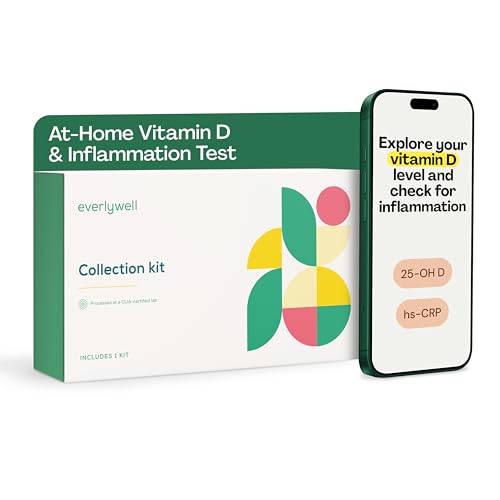
Everlywell At
Buy Everlywell At-Home Women's Health Test, Measures Biomarkers for Hormonal Imbalances in Women for Accurate Results from CLIA-Certified Labs Within Days, Ages 18 Plus on Amazon.com ✓ FREE SHIPP
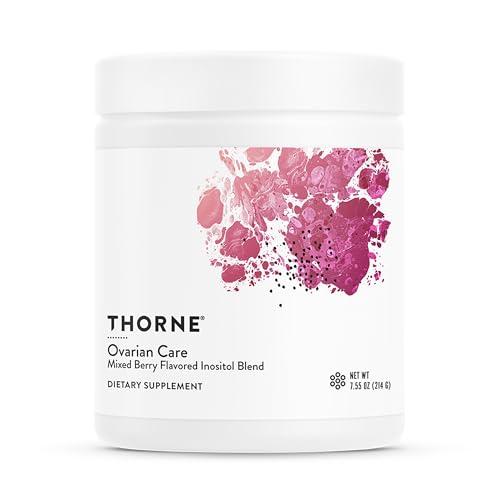
THORNE - Ovarian Care - Women's Health - Inositol, CoQ10, Folate & Polyphenols - Promote Healthy Ovarian Function & Fertility Health* - Mixed Berry - 7.55 Oz - 60 Servings
Active Ingredients: The naturally occurring ratio of 40:1 myo-inositol to D-chiro-inositol has been clinically studied to provide numerous health benefits, while CoQ10 helps protect against age-relate
Evidence & Sources
Supported by multiple clinical trials and systematic reviews
- StatPearls
- MedlinePlus
- Merck Manual Professional Edition
- American Society for Reproductive Medicine (ASRM)
- Endocrine Society
- UpToDate
- National Institute for Health and Care Excellence (NICE)
- World Health Organization (WHO)
This content is for informational purposes only and does not constitute medical advice. Always consult a qualified healthcare provider before starting, stopping, or changing any supplement or medication regimen.