

Folate Test
Also known as: Folic Acid Test, Serum Folate Test
Overview
A folate test is a laboratory assessment used to evaluate folate status in the body. Folate, also known as vitamin B9, is essential for DNA synthesis, red blood cell formation, cellular division, and normal neurologic development. Because rapidly dividing cells depend on adequate folate availability, folate status is especially relevant in periods of growth, pregnancy, blood cell production, and tissue repair. Testing is often considered when there are concerns about macrocytic anemia, malnutrition, malabsorption, alcohol use disorder, certain medication effects, or suspected vitamin deficiency. It is also commonly interpreted alongside vitamin B12 testing, since folate and B12 participate in related metabolic pathways and deficiencies can present with overlapping blood abnormalities.
Folate can be measured in different ways, most commonly as serum folate and, less commonly in modern practice, red blood cell (RBC) folate. Serum folate tends to reflect more recent intake, while RBC folate has historically been viewed as a marker of longer-term folate status, though its clinical role has narrowed as testing methods and interpretation standards have evolved. In many settings, clinicians also consider related markers such as a complete blood count (CBC), mean corpuscular volume (MCV), vitamin B12, homocysteine, and sometimes methylmalonic acid, depending on the clinical question.
The significance of folate testing extends beyond anemia. Folate insufficiency has been associated with fatigue, pallor, glossitis, elevated homocysteine, and impaired blood cell production, while in pregnancy, inadequate folate is strongly linked with an increased risk of neural tube defects in the developing fetus. At the same time, interpretation of folate results can be nuanced. Folate deficiency has become less common in some countries due to food fortification, and abnormal values may reflect diet, supplementation, laboratory timing, underlying gastrointestinal disorders, liver disease, or interactions with drugs such as methotrexate, anticonvulsants, and sulfasalazine.
Overall, the folate test is best understood as one piece of a broader nutritional and hematologic evaluation rather than a standalone answer. Research and clinical guidance support its role in specific contexts, but interpretation generally benefits from correlation with symptoms, medical history, other laboratory markers, and professional clinical assessment.
Medical Perspectives
Two Ways of Seeing Health

Western
scientific · clinical
Western medicine applies science, technology, and clinical experience to treat symptoms through testing, diagnosis, and targeted intervention.

Eastern
traditional · alternative
Eastern medicine focuses on treating the body naturally by applying traditional knowledge practiced for thousands of years, emphasizing balance and whole-person wellness.
Gold Bamboo presents both perspectives side-by-side so you can make informed decisions. We don't advocate for one over the other — your health choices are yours.
Western Medicine Perspective
Western Medicine Perspective
In conventional medicine, folate testing is primarily used to help investigate suspected folate deficiency and its consequences, especially megaloblastic or macrocytic anemia. Folate is required for nucleotide production and normal maturation of blood cell precursors in the bone marrow. When folate is insufficient, cells may fail to divide normally, leading to enlarged red blood cells and ineffective blood formation. Conventional evaluation often begins with a CBC and red cell indices, followed by targeted nutritional testing when macrocytosis or anemia is present. Folate is frequently assessed together with vitamin B12, because low folate can mimic some hematologic features of B12 deficiency, while treating folate deficiency alone in the presence of unrecognized B12 deficiency may correct anemia without addressing neurologic complications.
Western medicine also recognizes that folate status can be influenced by multiple factors beyond dietary intake. Causes of low folate may include poor nutrition, malabsorption syndromes such as celiac disease, inflammatory bowel conditions, chronic alcohol use, increased physiologic demand in pregnancy, hemolytic states, and medication effects. Clinical interpretation therefore centers not just on whether the level is low, but on why it may be low. In some cases, serum folate may fluctuate with recent intake, so clinicians may rely on the broader clinical picture and supporting biomarkers. In pregnancy and reproductive health, folate has a particularly established role because adequate folate status is linked to prevention of fetal neural tube defects, making folate-related assessment an important public health topic.
From an evidence standpoint, folate biology is well characterized, and laboratory testing is broadly accepted in hematology and nutritional assessment. However, modern guidelines vary on the exact role of serum versus RBC folate in routine deficiency workups, reflecting ongoing refinement in laboratory practice rather than uncertainty about folate’s physiologic importance. As with any lab test, results are most meaningful when interpreted by a qualified healthcare professional in context.
Eastern & Traditional Perspective
Eastern and Traditional Medicine Perspective
In Traditional Chinese Medicine (TCM) and related East Asian systems, a folate test is not a traditional diagnostic tool, since classical frameworks do not define health through vitamin assays. Instead, symptoms that may overlap with folate deficiency—such as fatigue, dizziness, pallor, poor concentration, weakness, or menstrual depletion—may be interpreted through patterns such as Blood deficiency, Spleen Qi deficiency, or impaired transformation and transportation of nutrients. From this perspective, the test may be viewed as a modern biomedical measure that helps clarify whether symptoms associated with weakness or deficient nourishment have a measurable nutritional component.
In Ayurveda, there is likewise no exact classical equivalent to folate testing, but low vitality, poor tissue nourishment, weakness, or signs resembling anemia may be framed in terms of dhatu depletion, compromised digestion and assimilation, or imbalance affecting rakta dhatu (blood tissue). Traditional systems often emphasize the quality of digestion, dietary diversity, and constitutional balance as part of understanding why nourishment is not being adequately built or maintained. Within integrative settings, a folate test may therefore function as a bridge between modern nutrient measurement and broader traditional concepts of tissue formation and vitality.
In naturopathic and integrative medicine, folate testing is commonly interpreted within a wider functional picture that may include dietary patterns, digestive health, methylation-related pathways, pregnancy nutrition, medication use, and coexisting B12 status. These approaches often place importance on identifying root contributors to low folate markers rather than viewing the laboratory value in isolation. While traditional systems offer longstanding frameworks for understanding weakness and poor nourishment, they generally do not have direct historical evidence for the laboratory test itself; their contribution is mainly interpretive and holistic rather than analytical in the laboratory sense.
Because folate testing is a modern diagnostic measure, the strongest evidence applies to the biomedical test and nutrient physiology, whereas traditional perspectives contribute symptom pattern recognition and whole-person context. Integrative interpretation typically benefits from collaboration with appropriately trained healthcare practitioners.
Supplements & Products
Recommended Products
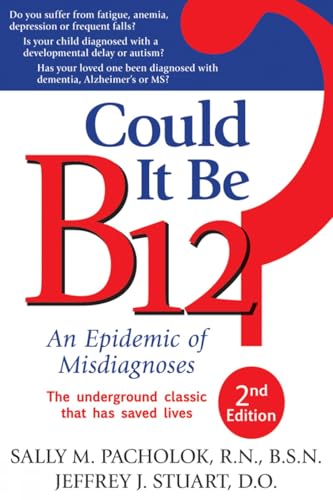
Could It Be B12?: An Epidemic of Misdiagnoses: Pacholok, Sally M, Stuart, Jeffrey J.
Sally M. Pacholok, RN, has worked as an emergency room nurse and paramedic for 25 years. A member of the Emergency Nurses Association, <strong>Pacholok diagnosed herself with vitamin B12 deficiency af
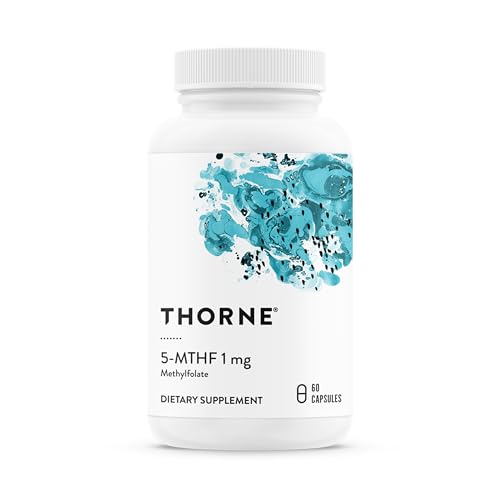
THORNE - 5-MTHF - Methylfolate (Active B9 Folate) Supplement - Supports Cardiovascular Health, Fetal Development, Nerve Health, Methylation & Homocysteine Levels* - 60 Servings - 5-MTHF 1mg
Buy THORNE - 5-MTHF - Methylfolate (Active B9 Folate) Supplement - <strong>Supports Cardiovascular Health, Fetal Development, Nerve Health, Methylation & Homocysteine Levels</strong>* - 60 Serving

Jarrow Formulas Methyl Vitamin B12 5000 mcg - 60 Chewable Tablets, Naturally Fruit Flavored- Bioactive B12 Vitamin - Supports Cellular Energy Production, Brain Health & Metabolism - 60 Servings
Better Retained With Jarrow B12: ... and vegans (1) Convenient Chewable Tablet: <strong>Each naturally fruit flavored chewable tablet delivers 5000 micrograms (mcg) of methyl B-12</strong>; our B12 me
Evidence & Sources
Supported by multiple clinical trials and systematic reviews
- National Institutes of Health Office of Dietary Supplements — Folate Fact Sheet for Health Professionals
- World Health Organization (WHO) guideline on optimal serum and red blood cell folate concentrations in women of reproductive age
- American Academy of Family Physicians (AAFP) — Evaluation of Macrocytosis
- MedlinePlus — Folate Test
- Merck Manual Professional Edition — Folate Deficiency
- The New England Journal of Medicine — Folate, vitamin B12, and megaloblastic anemia literature
- NCCIH — Complementary, Alternative, or Integrative Health overview resources
This content is for informational purposes only and does not constitute medical advice. Always consult a qualified healthcare provider before starting, stopping, or changing any supplement or medication regimen.