

Fibrinogen Test
Also known as: Plasma Fibrinogen, Fibrinogen Level
Overview
A fibrinogen test measures the level or functional activity of fibrinogen, a protein made primarily by the liver that plays a central role in blood clot formation. When bleeding occurs, fibrinogen is converted into fibrin, the structural mesh that helps stabilize a clot. Because of this role, fibrinogen testing is commonly used in the evaluation of bleeding disorders, abnormal clotting, liver disease, disseminated intravascular coagulation (DIC), and severe inflammatory states. Depending on the clinical context, laboratories may report functional fibrinogen activity or antigen levels, which can help distinguish between low quantity and impaired function.
Beyond hemostasis, fibrinogen is also considered an acute-phase reactant, meaning its level often rises in response to inflammation, infection, tissue injury, smoking, metabolic dysfunction, and other physiologic stressors. For this reason, elevated fibrinogen has also been studied as a marker of cardiovascular and vascular risk, alongside markers such as C-reactive protein. Research suggests that higher fibrinogen levels may be associated with increased blood viscosity, platelet aggregation, endothelial dysfunction, and thrombosis risk, although interpretation depends heavily on the broader clinical picture.
In routine conventional care, fibrinogen testing is not generally used as a standalone screening tool for overall health. Instead, it is interpreted within a larger framework that may include PT/INR, aPTT, platelet count, D-dimer, liver function testing, inflammatory markers, and cardiovascular risk assessment. In integrative and functional settings, some clinicians also view fibrinogen as part of a broader picture involving systemic inflammation, vascular health, and hypercoagulability patterns, though these uses may be more individualized and less standardized.
Because fibrinogen can rise or fall for many reasons, the test is best understood as a context-dependent biomarker rather than a diagnosis by itself. Interpretation may require correlation with symptoms, medications, smoking status, pregnancy, acute illness, chronic inflammatory conditions, and underlying cardiovascular or hepatic disease. As with other laboratory findings, clinically meaningful interpretation is most appropriate when reviewed with a qualified healthcare professional.
Medical Perspectives
Two Ways of Seeing Health

Western
scientific · clinical
Western medicine applies science, technology, and clinical experience to treat symptoms through testing, diagnosis, and targeted intervention.

Eastern
traditional · alternative
Eastern medicine focuses on treating the body naturally by applying traditional knowledge practiced for thousands of years, emphasizing balance and whole-person wellness.
Gold Bamboo presents both perspectives side-by-side so you can make informed decisions. We don't advocate for one over the other — your health choices are yours.
Western Medicine Perspective
Western Medicine Perspective
From a conventional medicine standpoint, fibrinogen is primarily understood as a key coagulation factor (Factor I) and a nonspecific inflammatory marker. Testing is often ordered when there is concern for unexpected bleeding, thrombosis, DIC, severe infection, trauma, liver dysfunction, or inherited/acquired fibrinogen disorders. Low fibrinogen may be seen in conditions involving consumption of clotting factors, reduced liver synthesis, or rare genetic disorders such as afibrinogenemia, hypofibrinogenemia, or dysfibrinogenemia. Elevated fibrinogen is more commonly associated with inflammation, pregnancy, smoking, obesity, diabetes, autoimmune disease, and cardiovascular risk states.
In cardiovascular research, studies indicate that fibrinogen is associated with atherothrombotic risk, but its role is usually considered adjunctive rather than definitive. Higher levels have been linked to myocardial infarction, stroke, peripheral arterial disease, and all-cause vascular risk in epidemiologic studies. However, conventional guidelines generally place more emphasis on established risk markers and modifiable factors such as blood pressure, lipids, diabetes status, smoking, and hs-CRP in selected contexts. In other words, fibrinogen may add information, but it is not typically treated as a primary diagnostic endpoint on its own.
Clinically, the test may be performed using the Clauss fibrinogen assay for functional activity, and sometimes antigen testing if a qualitative defect is suspected. Interpretation can be affected by acute illness, estrogen exposure, pregnancy, age, and laboratory methodology. In hospital medicine and hematology, markedly abnormal fibrinogen values can be highly relevant; in general outpatient care, mildly elevated values are more often interpreted as a signal of underlying inflammatory or vascular processes rather than a disease entity by themselves.
Conventional medicine therefore views the fibrinogen test as most useful when integrated into a targeted evaluation of coagulation, inflammation, liver function, and vascular risk, with attention to whether the finding reflects a transient physiologic response or a more persistent pattern.
Eastern & Traditional Perspective
Eastern/Traditional Medicine Perspective
Traditional medical systems do not describe fibrinogen in modern biochemical terms, but they often frame related patterns through concepts involving circulation, stagnation, heat, inflammation, and tissue response. In Traditional Chinese Medicine (TCM), a pattern that might overlap conceptually with elevated fibrinogen or increased clotting tendency could be discussed in terms of Blood Stasis, sometimes combined with Phlegm, Heat, or Qi stagnation, depending on the person’s overall presentation. Within this framework, symptoms such as poor circulation, fixed pain, a history of vascular issues, or inflammatory tendencies may be interpreted as part of a broader pattern rather than a single laboratory abnormality.
In Ayurveda, a comparable interpretation may involve disturbances in rakta (blood), pitta, or kapha-related stagnation, especially where inflammation, sluggish circulation, or metabolic burden are prominent themes. Some integrative practitioners also use fibrinogen as one of several modern markers to explore whether a patient shows a tendency toward inflammatory load, impaired vascular resilience, or altered blood flow characteristics. These interpretations are generally made alongside history, constitution, digestion, stress, sleep, and broader metabolic factors.
In naturopathic and integrative medicine, fibrinogen may be discussed as a marker connected to blood viscosity patterns, inflammatory tone, endothelial health, and cardiometabolic balance. Research-informed integrative models may place it beside other markers such as hs-CRP, homocysteine, ferritin, fasting insulin, and lipid parameters to develop a more whole-person understanding of chronic disease risk. Even so, this use is not fully standardized, and many traditional frameworks rely more on pattern assessment than on any single laboratory value.
Overall, Eastern and traditional systems tend to view a fibrinogen result less as an isolated target and more as one reflection of a person’s broader physiologic balance. In integrative care, laboratory findings are often interpreted together with traditional assessment methods, while recognizing that serious clotting, bleeding, or cardiovascular concerns warrant evaluation within conventional medical frameworks as well.
Supplements & Products
Recommended Products
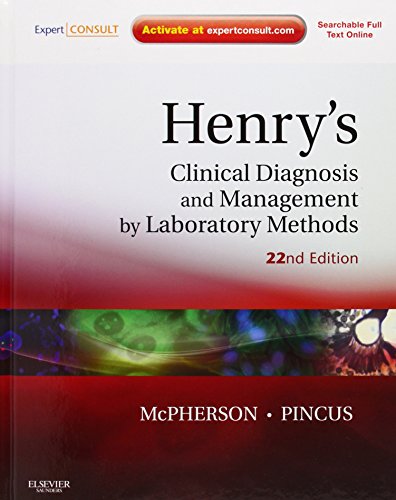
Henry's Clinical Diagnosis and Management by Laboratory Methods
Recognized as the definitive book ... Pincus, MD, PhD, is <strong>a comprehensive, multidisciplinary pathology reference that gives you state-of-the-art guidance on lab test selection and interpretati

Nordic Naturals Ultimate Omega, Lemon Flavor - 120 Soft Gels - 1280 mg Omega-3 - High-Potency Fish Oil Supplement with EPA & DHA - Promotes Brain & Heart Health - Non-GMO - 60 Servings
Nordic Naturals Ultimate Omega-D3, Lemon Flavor - 120 Soft Gels - <strong>1280 mg Omega-3 + 1000 IU Vitamin D3 - EPA & DHA - Promotes Brain, Heart, & Immune Health</strong> - 60 Servings
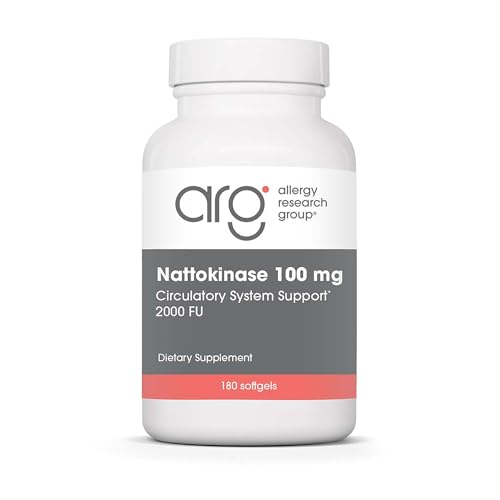
Doctor's Best Nattokinase 2000 FU Supplement for Men & Women - Supports Blood Flow, Heart Health, & Healthy Circulation, Nattokinase Enzyme Sourced from Japanese Natto, Capsule Form - 90 Veg Caps
Nattokinase (enzyme activity in fibrinolytic units) 2,000 FU, Modified cellulose (vegetarian capsule), maltodextrin, magnesium stearate (vegetable source).
Evidence & Sources
Promising research with growing clinical support from multiple studies
- Merck Manual Professional Edition
- MedlinePlus, U.S. National Library of Medicine
- Testing.com (formerly Lab Tests Online)
- American Society of Hematology
- International Society on Thrombosis and Haemostasis
- New England Journal of Medicine
- Journal of the American College of Cardiology
- Circulation
- National Center for Complementary and Integrative Health (NCCIH)
- World Health Organization
This content is for informational purposes only and does not constitute medical advice. Always consult a qualified healthcare provider before starting, stopping, or changing any supplement or medication regimen.