

Fasting Glucose Test
Also known as: Fasting Blood Sugar, FBG, Fasting Blood Glucose
Overview
The fasting glucose test is a common laboratory measure of blood sugar after a period without caloric intake, typically overnight. It is used to assess how the body regulates glucose in a resting state and is one of the most familiar screening tools for prediabetes, diabetes mellitus, and broader metabolic imbalance. Because glucose is the body’s primary immediate fuel source, fasting levels can offer a window into the interaction between diet, liver glucose output, pancreatic insulin secretion, and tissue insulin sensitivity.
In conventional care, fasting glucose is often interpreted alongside other metabolic markers such as hemoglobin A1c (HbA1c), fasting insulin, and sometimes an oral glucose tolerance test (OGTT). In integrative and functional settings, it is also frequently discussed in the context of early energy dysregulation, cardiometabolic risk, and subtle shifts in glucose handling that may precede overt diabetes. A single fasting glucose value does not capture the full complexity of metabolism, but it remains a foundational and accessible test.
Fasting glucose has broad public health importance because abnormal glucose regulation is common worldwide. Persistently elevated fasting glucose is associated with increased risk of type 2 diabetes, cardiovascular disease, kidney disease, nerve damage, and eye complications over time. Mild elevations may also appear during earlier phases of insulin resistance, though fasting glucose can remain within reference range even when metabolic dysfunction is developing. For this reason, interpretation is often most meaningful when considered with personal history, body composition, sleep patterns, stress load, medications, and additional laboratory data.
Like any lab marker, fasting glucose has limitations. Levels can be influenced by acute stress, illness, sleep disruption, corticosteroid use, hormonal shifts, alcohol intake, recent exercise, and laboratory variability. It is therefore best understood as one data point within a larger clinical picture rather than a standalone verdict on metabolic health. Healthcare professionals typically use it as part of a broader assessment rather than in isolation.
Medical Perspectives
Two Ways of Seeing Health

Western
scientific · clinical
Western medicine applies science, technology, and clinical experience to treat symptoms through testing, diagnosis, and targeted intervention.

Eastern
traditional · alternative
Eastern medicine focuses on treating the body naturally by applying traditional knowledge practiced for thousands of years, emphasizing balance and whole-person wellness.
Gold Bamboo presents both perspectives side-by-side so you can make informed decisions. We don't advocate for one over the other — your health choices are yours.
Western Medicine Perspective
Western Medicine Perspective
From a conventional medicine standpoint, fasting glucose is a screening and diagnostic test used to identify disorders of glycemic control. Major organizations such as the American Diabetes Association (ADA) and World Health Organization (WHO) include fasting plasma glucose among the standard criteria for evaluating normal glucose regulation, prediabetes, and diabetes. The test reflects the balance between hepatic glucose production and insulin-mediated regulation during fasting. When fasting glucose is elevated, clinicians often consider insulin resistance, impaired pancreatic beta-cell function, medication effects, endocrine disorders, or acute physiologic stress.
In routine practice, fasting glucose is commonly used because it is inexpensive, widely available, and easy to standardize. However, it is not perfect as an early detector of metabolic dysfunction. Some individuals with significant insulin resistance may still have fasting glucose values within laboratory reference limits, especially in earlier stages when compensatory insulin secretion is still maintaining blood sugar. For that reason, conventional evaluation may also include HbA1c, OGTT, lipid markers, liver enzymes, blood pressure, waist circumference, and sometimes fasting insulin, depending on the clinical context.
Research consistently supports fasting glucose as an important predictor of future diabetes and cardiometabolic risk when elevated. At the same time, conventional medicine recognizes that diagnosis generally requires appropriate thresholds, repeat testing in some cases, and interpretation by a qualified clinician. It is also understood that fasting glucose is not the same as post-meal glucose behavior, glucose variability, or continuous glucose monitoring patterns, each of which may reveal different aspects of metabolic function.
Eastern & Traditional Perspective
Eastern/Traditional Medicine Perspective
In Traditional Chinese Medicine (TCM) and related East Asian medical systems, a fasting glucose result is not historically a traditional diagnostic category, but its clinical meaning may be mapped onto broader patterns involving fluid metabolism, digestive function, depletion, heat, and internal imbalance. Classical frameworks discussing excessive thirst, hunger, urination, and wasting are often associated with the traditional concept of Xiao Ke. In modern integrative TCM practice, elevated fasting glucose may be viewed as one biomedical indicator that complements pattern identification rather than replacing it.
A TCM interpretation may consider whether signs and symptoms align with patterns such as yin deficiency with heat, spleen qi deficiency, phlegm-damp accumulation, or liver qi stagnation contributing to digestive and metabolic disruption. The emphasis is often on the overall terrain: appetite, thirst, energy, sleep, stress, digestion, tongue and pulse findings, and constitutional tendencies. From this perspective, a fasting glucose value is informative but incomplete without the person’s broader pattern presentation.
In Ayurveda, blood sugar imbalance may be discussed through the lens of agni (digestive/metabolic fire), ama (metabolic residue), tissue nourishment, and doshic imbalance, particularly involving kapha and sometimes pitta or vata in more depleted states. Traditional systems generally aim to understand why regulation has become imbalanced at the whole-person level rather than focusing only on the biochemical value. Naturopathic and integrative models similarly tend to interpret fasting glucose within a broader matrix that can include sleep, circadian rhythm, stress physiology, dietary pattern, movement, inflammation, and gut-metabolic interactions.
While traditional systems offer longstanding conceptual frameworks for metabolic imbalance, they do not replace laboratory diagnostics or medical evaluation. Integrative practitioners commonly use fasting glucose as a bridge marker—one that can be interpreted through both modern physiology and traditional pattern-based frameworks while encouraging appropriate collaboration with licensed healthcare providers.
Supplements & Products
Recommended Products

Why We Get Sick: The Hidden Epidemic at the Root of Most Chronic Disease-and How to Fight It: Bikman, Benjamin, Fung, Jason
Odds are you do—over half of ... scientist and pathophysiology professor Benjamin Bikman <strong>explores why insulin resistance has become so prevalent and why it matters</strong>....
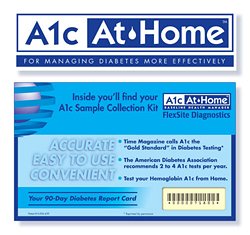
A1c Home Test Kit
Browse A1C home testing kits for ongoing diabetes management and health insights. Find convenient options with prepaid shipping and lab analysis included.

Ascensia CONTOUR NEXT EZ Blood Glucose Monitor All-In-One Kit with Test Strips, Accurate Blood Sugar Monitor, Easy-to-Use Glucose Meter, Portable and Reliable Diabetes Testing Kit
Ascensia CONTOUR NEXT GEN Blood Glucose Monitor All-In-One Kit with 20 Test Strips, Accurate Blood Sugar Monitor, Easy-to-Use Glucose Meter, Portable and Reliable Diabetes Testing Kit · Ascensia Conto
Evidence & Sources
Supported by multiple clinical trials and systematic reviews
- American Diabetes Association Standards of Care in Diabetes
- World Health Organization diagnostic criteria for diabetes mellitus
- National Institute of Diabetes and Digestive and Kidney Diseases (NIDDK)
- Centers for Disease Control and Prevention (CDC) on prediabetes and diabetes testing
- The Lancet Diabetes & Endocrinology
- Diabetes Care
- National Center for Complementary and Integrative Health (NCCIH)
- World Health Organization Traditional Medicine resources
This content is for informational purposes only and does not constitute medical advice. Always consult a qualified healthcare provider before starting, stopping, or changing any supplement or medication regimen.