

Estradiol Test
Also known as: Estradiol, E2, Estrogen Test, Serum Estradiol
Overview
Estradiol testing measures the level of estradiol (E2), the most biologically active form of estrogen during the reproductive years. Estradiol is produced primarily by the ovaries, with smaller contributions from adipose tissue, the adrenal glands, and—during pregnancy—the placenta. It plays a central role in menstrual cycle regulation, ovulation, fertility, bone health, vaginal and urogenital tissue integrity, cardiovascular physiology, and aspects of mood and cognition. Because estradiol fluctuates across the menstrual cycle and changes substantially with age, interpretation depends heavily on timing, life stage, symptoms, and the broader hormonal context.
In conventional and integrative care, estradiol testing is commonly discussed in relation to irregular periods, infertility evaluation, ovarian function, perimenopause and menopause, hormone therapy monitoring, and certain endocrine disorders. It may also be considered in people with amenorrhea, suspected polycystic ovary syndrome, premature ovarian insufficiency, delayed or precocious puberty, or in gender-affirming hormone care. In functional and holistic medicine settings, estradiol is often explored alongside concerns such as PMS, cycle-related mood changes, “estrogen dominance,” sleep disruption, and metabolic changes, although these interpretations may vary and are not always standardized in mainstream practice.
Testing is typically performed using blood serum, though saliva and urine-based hormone testing are also marketed in some integrative settings. Serum estradiol remains the most established laboratory approach in standard medical practice, particularly when tied to fertility assessment, menopause evaluation in selected cases, or endocrine disorders. However, estradiol levels can vary widely even within a single month, and a single result may not fully capture hormonal patterns. For that reason, clinicians often interpret estradiol alongside other markers such as FSH, LH, progesterone, testosterone, prolactin, thyroid markers, or anti-Müllerian hormone (AMH), depending on the clinical question.
A key challenge with estradiol testing is that numbers alone do not define hormone health. Reference ranges differ by lab, menstrual phase, age, medication use, and test method. In addition, symptoms commonly attributed to estrogen may have multiple causes, including thyroid dysfunction, stress physiology, sleep disturbance, medication effects, or other gynecologic and endocrine conditions. For this reason, estradiol testing is generally most meaningful when used as one component of a broader clinical assessment, ideally interpreted by a qualified healthcare professional.
Medical Perspectives
Two Ways of Seeing Health

Western
scientific · clinical
Western medicine applies science, technology, and clinical experience to treat symptoms through testing, diagnosis, and targeted intervention.

Eastern
traditional · alternative
Eastern medicine focuses on treating the body naturally by applying traditional knowledge practiced for thousands of years, emphasizing balance and whole-person wellness.
Gold Bamboo presents both perspectives side-by-side so you can make informed decisions. We don't advocate for one over the other — your health choices are yours.
Western Medicine Perspective
Western Medicine Perspective
In conventional medicine, estradiol testing is used as a diagnostic and monitoring tool, not as a stand-alone measure of overall wellness. Its value depends on the specific clinical context. For example, estradiol may help evaluate ovarian function, clarify causes of amenorrhea or irregular menses, support aspects of infertility workups, and assist in assessing menopausal transition or premature ovarian insufficiency when paired with history and other hormone markers. It is also used in selected cases involving pituitary disorders, eating-related hypothalamic suppression, delayed puberty, precocious puberty, or estrogen-producing tumors.
In reproductive endocrinology, estradiol is especially relevant because it reflects follicular development and changes across the menstrual cycle. Levels typically rise in the follicular phase, peak around ovulation, and shift again in the luteal phase. In assisted reproduction, serum estradiol may be monitored during ovarian stimulation. In menopause-related care, estradiol testing is not always necessary for routine diagnosis of menopause, which is often clinical, but it can be useful in more complex scenarios—such as suspected early menopause, unclear menstrual status, or evaluation during certain hormone therapy decisions.
Conventional medicine also recognizes important limitations. Estradiol values fluctuate substantially, assays may differ in accuracy at low hormone concentrations, and the test can be affected by medications including hormonal contraception or hormone replacement therapy. Professional societies generally caution against overinterpreting isolated hormone values, particularly in perimenopause where hormone production can vary dramatically from day to day. As a result, clinical guidelines often emphasize symptoms, menstrual history, age, and complementary testing over any single estradiol number.
From an evidence standpoint, serum estradiol testing is well established for defined endocrine and reproductive indications. By contrast, broader claims that a single estradiol level can diagnose vague syndromes or explain all PMS, mood, or weight-related symptoms are less supported. Research supports its role as part of targeted medical evaluation, while more expansive wellness interpretations remain more variable and sometimes controversial.
Eastern & Traditional Perspective
Eastern / Traditional Medicine Perspective
In Traditional Chinese Medicine (TCM) and related East Asian systems, estradiol itself is not a traditional diagnostic category. Instead, symptoms that prompt estradiol testing—such as irregular menstruation, hot flashes, mood volatility, infertility, fatigue, sleep disturbance, or vaginal dryness—are interpreted through pattern-based frameworks. These may include patterns involving Kidney deficiency, Liver qi stagnation, Blood deficiency, Blood stasis, or disharmony between the Chong and Ren meridians. The emphasis is generally on the person’s overall pattern of imbalance rather than on one laboratory value.
In Ayurveda, hormone-related concerns may be viewed through the balance of doshas, tissue nourishment, digestive/metabolic function (agni), and reproductive tissue health (artava dhatu). Menstrual irregularity, menopausal transition, or cyclical mood and energy changes may be conceptualized through shifts in vata, pitta, and kapha, along with broader lifestyle and constitutional patterns. Estradiol testing may be used in integrative settings as a modern biomarker, while the traditional interpretation remains rooted in systemic balance rather than hormone quantification alone.
In naturopathic and functional medicine contexts, estradiol testing is often discussed in relation to hormone balance, estrogen metabolism, and symptom patterns across the menstrual cycle or menopausal transition. Some practitioners may combine serum, urine, or salivary testing with lifestyle, nutrition, and symptom assessments. This approach frequently gives attention to topics such as PMS, perimenopause, xenoestrogen exposure, liver metabolism, stress, and the estrogen-to-progesterone relationship. However, many of these broader frameworks are more heterogeneous than standardized medical protocols, and the strength of supporting evidence varies depending on the specific claim.
Across traditional systems, the general orientation is less about treating a laboratory number and more about understanding the whole-person presentation—including sleep, digestion, emotional state, energy, cycle characteristics, and constitution. In integrative care, estradiol testing may therefore serve as a modern data point that complements, rather than replaces, traditional diagnostic models. As with conventional care, interpretation is most meaningful when performed by a qualified practitioner who can place laboratory findings in clinical context.
Supplements & Products
Recommended Products
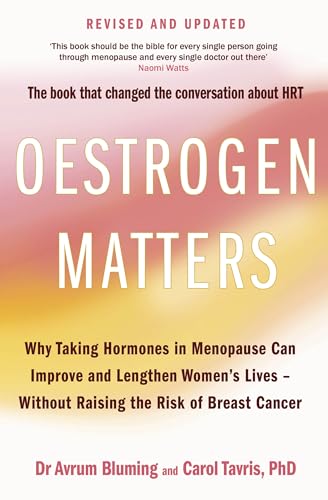
Estrogen Matters: Why Taking Hormones in Menopause Can Improve Women's Well-Being and Lengthen Their Lives - Without Raising the Risk of Breast Cancer: Bluming, Avrum, Tavris, Carol
In their fascinating account, Bluming and Tavris challenge that conclusion and unpack the reasons for its remarkable impact."―Robert B. Cialdini, author of Influence "Given breast cancer
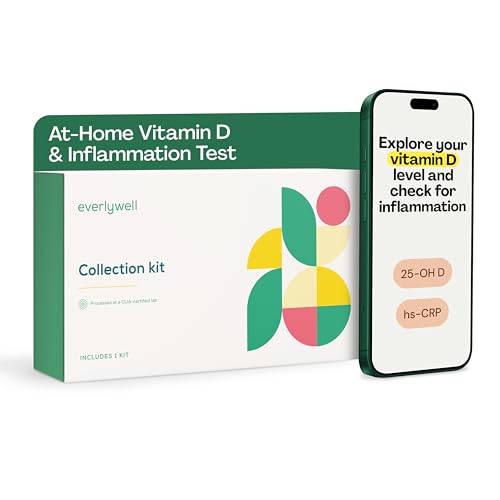
Everlywell At
Buy Everlywell At-Home Women's Health Test, Measures Biomarkers for Hormonal Imbalances in Women for Accurate Results from CLIA-Certified Labs Within Days, Ages 18 Plus on Amazon.com ✓ FREE SHIPP
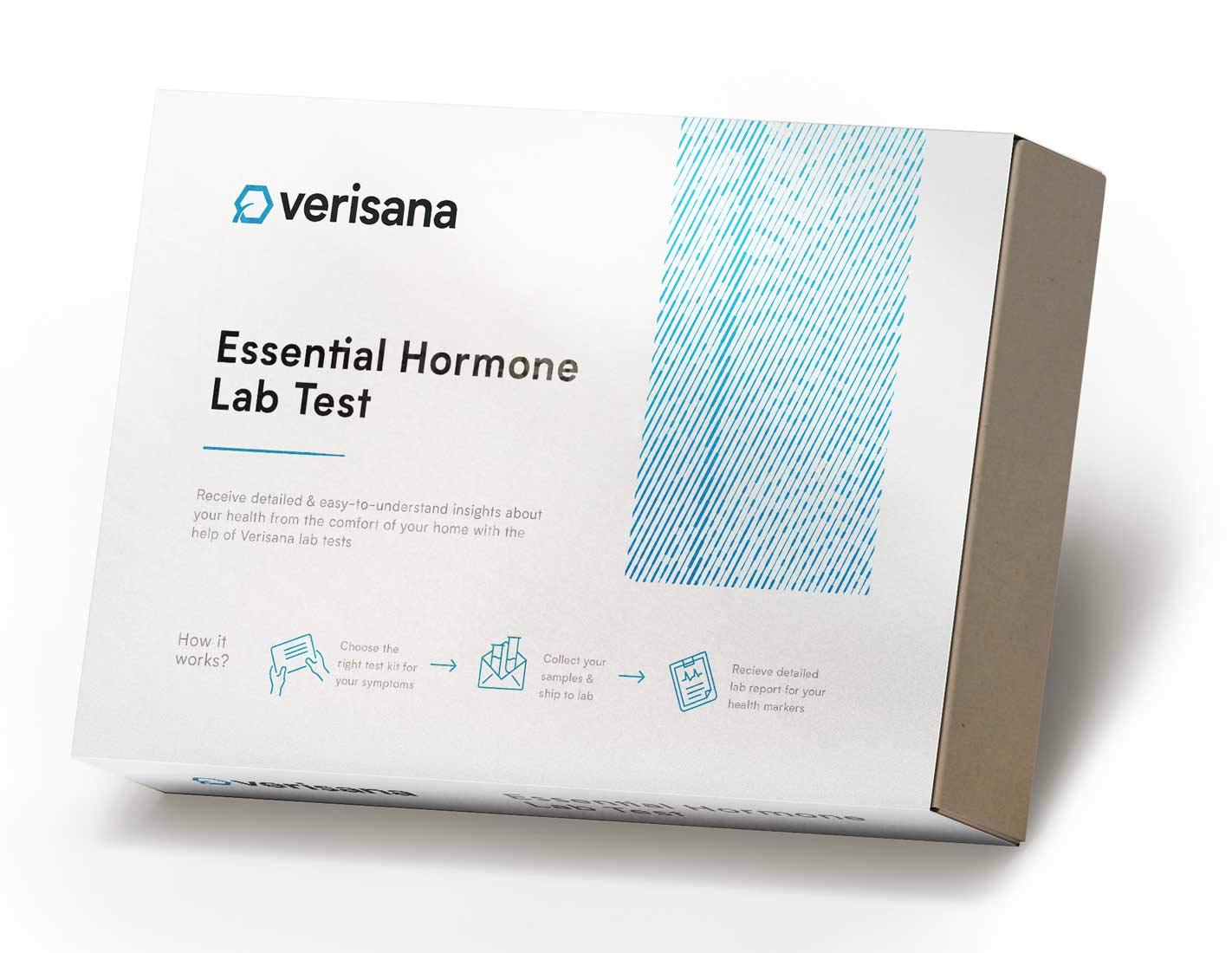
Essential Hormone Test – Check 3 Vital Hormones (E2, Pg & T) with a Simple Saliva Sample– at
Amazon.com: Essential Hormone Test – Check 3 Vital Hormones (E2, Pg & T) with a Simple Saliva Sample– at-Home Test Kit – Verisana : Industrial & Scientific
Evidence & Sources
Supported by multiple clinical trials and systematic reviews
- American College of Obstetricians and Gynecologists (ACOG)
- The North American Menopause Society (NAMS)
- Endocrine Society Clinical Practice Guidelines
- American Society for Reproductive Medicine (ASRM)
- National Institute for Health and Care Excellence (NICE)
- National Institutes of Health (NIH)
- Mayo Clinic Laboratories
- Journal of Clinical Endocrinology & Metabolism
- Fertility and Sterility
- National Center for Complementary and Integrative Health (NCCIH)
This content is for informational purposes only and does not constitute medical advice. Always consult a qualified healthcare provider before starting, stopping, or changing any supplement or medication regimen.