

Erythrocyte Sedimentation Rate
Also known as: ESR, Sed Rate, Sedimentation Rate Test
Overview
Erythrocyte Sedimentation Rate (ESR) is a common laboratory test that measures how quickly red blood cells settle to the bottom of a vertical tube over a set period, typically one hour. A faster-than-expected sedimentation rate can reflect the presence of systemic inflammation, changes in blood proteins, or other physiologic disturbances. ESR is not a diagnosis in itself; rather, it is a nonspecific marker that can help clinicians detect, monitor, or follow inflammatory activity associated with a wide range of conditions.
ESR has been used in medicine for decades because it is relatively simple, inexpensive, and broadly available. It is often ordered when symptoms suggest an inflammatory, infectious, autoimmune, or malignant process, or when clinicians are tracking known diseases such as rheumatoid arthritis, polymyalgia rheumatica, giant cell arteritis, inflammatory bowel disease, or certain chronic infections. In many settings, ESR is interpreted alongside other laboratory markers, especially C-reactive protein (CRP), complete blood count findings, and the patient’s clinical history.
A key limitation of ESR is that many factors can influence the result beyond inflammation alone. Age, sex, pregnancy, anemia, kidney disease, red blood cell shape abnormalities, and certain medications may alter sedimentation rates. Because of this, an elevated ESR does not identify the cause of inflammation, and a normal ESR does not fully exclude disease. Research and clinical practice consistently treat ESR as a context-dependent test that is most informative when combined with symptoms, physical examination, and other diagnostic data.
From a broader health perspective, ESR is best understood as a signal of underlying biologic activity rather than a standalone measure of health. Its value lies in pattern recognition: a markedly elevated ESR may raise concern for significant inflammatory disease, while changes over time may help reflect whether an underlying condition is becoming more active or less active. Interpretation is individualized, and discussion with a qualified healthcare professional is important whenever test results are being evaluated.
Medical Perspectives
Two Ways of Seeing Health

Western
scientific · clinical
Western medicine applies science, technology, and clinical experience to treat symptoms through testing, diagnosis, and targeted intervention.

Eastern
traditional · alternative
Eastern medicine focuses on treating the body naturally by applying traditional knowledge practiced for thousands of years, emphasizing balance and whole-person wellness.
Gold Bamboo presents both perspectives side-by-side so you can make informed decisions. We don't advocate for one over the other — your health choices are yours.
Western Medicine Perspective
Western Medicine Perspective
In conventional medicine, ESR is understood as an indirect measure of inflammation based on the tendency of red blood cells to aggregate and settle more rapidly when certain plasma proteins—especially fibrinogen and immunoglobulins—are elevated. These proteins increase during inflammatory states and reduce the normal repulsion between red blood cells, allowing them to stack together and fall faster. For this reason, ESR is commonly categorized as an acute-phase reactant surrogate, although it typically changes more slowly than CRP.
Clinically, ESR is used to support assessment in a number of scenarios. Studies and guidelines indicate particular utility in conditions such as giant cell arteritis and polymyalgia rheumatica, where a substantially elevated ESR may strengthen clinical suspicion, though it is not definitive on its own. It is also frequently used in rheumatology, infectious disease, and general internal medicine to help monitor inflammatory burden over time. In some cases, persistently high ESR values may prompt broader evaluation for autoimmune disease, chronic infection, or malignancy, but the result must always be interpreted within the larger clinical picture.
Conventional medicine also emphasizes the test’s limitations. ESR is less specific than many newer markers and may be elevated for noninflammatory reasons, including anemia, pregnancy, older age, and chronic kidney disease. Conversely, ESR may appear lower than expected in conditions affecting red blood cell morphology, such as sickle cell disease or polycythemia. As a result, modern practice often pairs ESR with CRP because the two tests can provide complementary information: CRP often rises and falls more quickly, while ESR may better reflect more prolonged inflammatory changes in certain disorders.
Eastern & Traditional Perspective
Eastern and Traditional Medicine Perspective
In Traditional Chinese Medicine (TCM), there is no direct historical equivalent to the erythrocyte sedimentation rate as a laboratory measurement. However, the physiologic patterns that may accompany an elevated ESR are often interpreted through broader concepts such as heat, toxicity, blood stasis, dampness, or deficiency depending on the person’s full presentation. A nonspecific inflammatory state might be viewed not as a single disease entity but as an imbalance involving the movement of qi and blood, organ system disharmony, and the accumulation of pathogenic factors. In this framework, a lab value like ESR can serve as a modern data point that may complement traditional pattern differentiation.
In Ayurveda, inflammatory or immune-related states may be discussed in terms of disturbances in doshas, impaired agni (metabolic fire), accumulation of ama (metabolic byproducts or toxins), or tissue-level imbalance. As in TCM, ESR itself is not a traditional diagnostic category, but an elevated inflammatory marker may be interpreted as consistent with broader systemic imbalance rather than as a condition in isolation. Traditional systems generally place more emphasis on symptom patterns, digestion, energy, sleep, constitutional tendencies, and pulse or tongue findings than on a single lab result.
In naturopathic and integrative settings, ESR may be used as one of several markers reflecting systemic inflammatory activity while practitioners also consider lifestyle, stress physiology, nutrition, environmental exposures, and chronic disease burden. Research on traditional or integrative approaches may explore whether broader whole-person interventions correlate with changes in inflammatory markers, but ESR is usually regarded as a supportive monitoring tool rather than a primary endpoint. Across traditional systems, the central theme is that laboratory findings are interpreted in the context of the whole person, and coordination with licensed healthcare professionals remains important when inflammatory markers are abnormal.
Supplements & Products
Recommended Products

Your Blood Never Lies: How to Read a Blood Test for a Longer, Healthier Life: LaValle, James B.
-- Neil Raff, MD ― Neil Raff, MD · James B. LaValle, RPh, CCN, is a <strong>nationally recognized clinical pharmacist,nutritionist, and the founder of LaValle Metabolic Institute and IntegrativeHealth
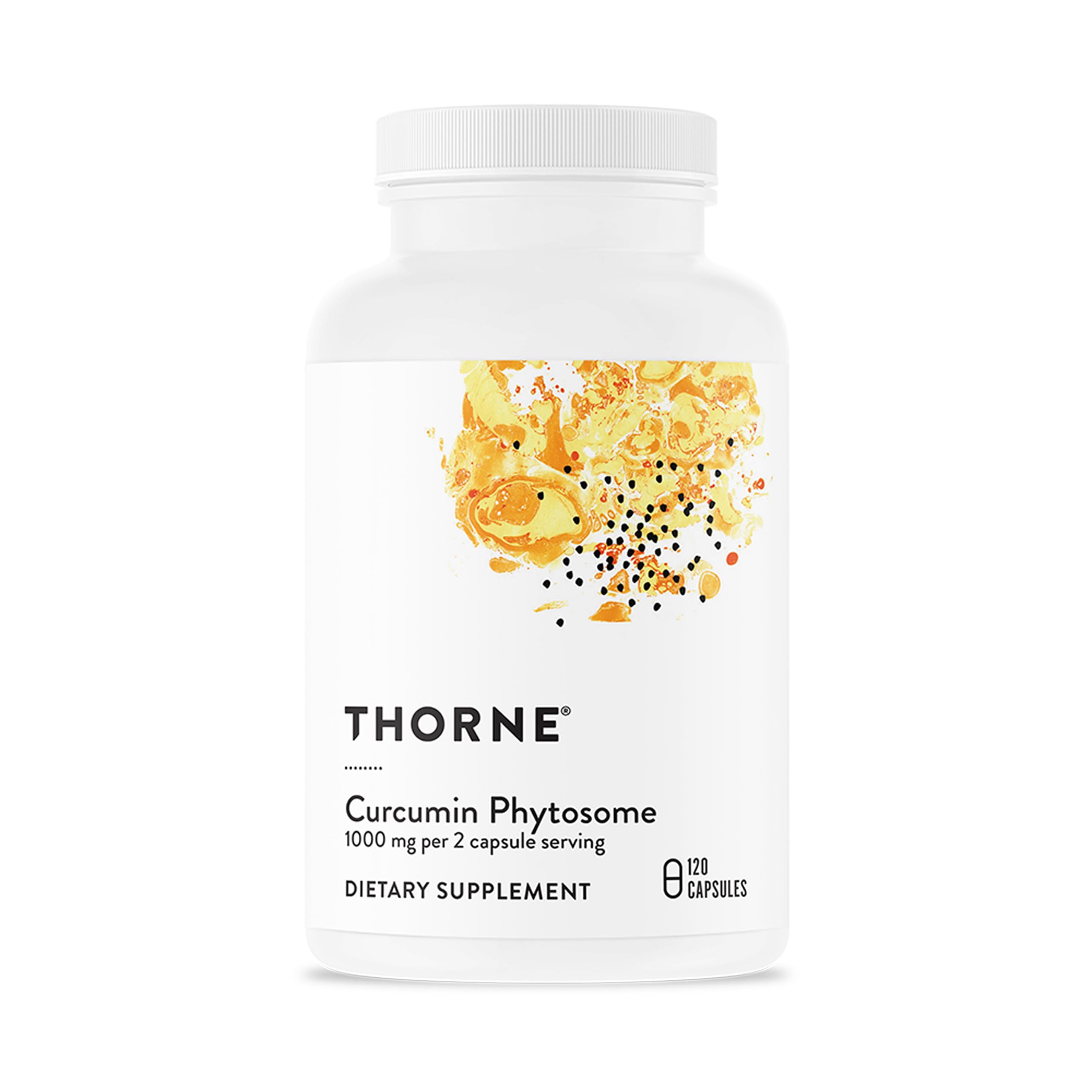
THORNE - Curcumin Phytosome 1000 mg (Meriva) - Clinically Studied, High Absorption - Supports Healthy Inflammatory Response in Joints, Muscles, GI Tract, Liver, Brain & Nerves* - 30 Servings
THORNE - Curcumin Phytosome 500 mg (Meriva) - Sustained Release, Clinically Studied - <strong>Supports Healthy Inflammatory Response in Joints, Muscles, GI Tract, Liver, Brain & Nerves</strong>* -

Nordic Naturals Ultimate Omega, Lemon Flavor - 90 Soft Gels - 1280 mg Omega-3 - High-Potency Omega-3 Fish Oil Supplement with EPA & DHA - Promotes Brain & Heart Health - Non-GMO - 45 Servings
Buy Nordic Naturals Ultimate Omega, Lemon Flavor - 90 Soft Gels - 1280 mg Omega-3 - High-Potency Omega-3 Fish Oil Supplement with EPA & DHA - Promotes Brain & Heart Health - Non-GMO - 45 Servi
Evidence & Sources
Supported by multiple clinical trials and systematic reviews
- MedlinePlus
- Mayo Clinic Laboratories
- American Academy of Family Physicians (AAFP)
- The New England Journal of Medicine
- StatPearls
- National Institute for Health and Care Excellence (NICE)
- UpToDate
- Harrison's Principles of Internal Medicine
This content is for informational purposes only and does not constitute medical advice. Always consult a qualified healthcare provider before starting, stopping, or changing any supplement or medication regimen.