

Dutch Test
Also known as: Dried Urine Test for Comprehensive Hormones, Hormone Metabolism Test
Overview
The DUTCH Test—short for Dried Urine Test for Comprehensive Hormones—is a laboratory assessment that analyzes hormones and hormone metabolites from urine collected on filter paper at several points during the day. It is marketed as a way to evaluate patterns related to sex hormones such as estrogen, progesterone, and testosterone, as well as adrenal-related hormones including cortisol and cortisone. Some versions also include markers connected to melatonin, organic acids, and aspects of hormone metabolism. Its appeal lies in the convenience of at-home sample collection and its ability to report both free hormones and metabolite patterns.
In clinical and consumer wellness settings, interest in the DUTCH Test often centers on symptoms that may overlap with hormonal changes, including menstrual irregularities, perimenopausal symptoms, fatigue, mood changes, low libido, sleep concerns, and questions about stress physiology. Supporters describe it as offering a broader view than single blood or saliva measurements because it tracks hormone breakdown products and, in some formats, diurnal cortisol patterns. However, interpretation can be complex. Hormone levels naturally vary by time of day, menstrual cycle phase, age, medication use, and menopausal status, and not all measured markers have the same degree of clinical validation.
A central point in understanding the DUTCH Test is that it is a laboratory methodology and interpretive framework, not a diagnosis in itself. Research on urinary hormone metabolites is well established in endocrinology and steroid biochemistry, but the use of multi-analyte dried urine panels for broad symptom interpretation remains an area where evidence is still evolving. As with many functional or integrative laboratory tools, the distinction between analytical validity (whether the test accurately measures what it claims to measure) and clinical utility (whether using the results improves diagnosis or outcomes) is important.
For consumers, the DUTCH Test is best understood as a specialized hormone panel that may add context in selected situations, while also carrying limitations related to standardization, interpretation, and the risk of over-attributing nonspecific symptoms to hormone findings. Healthcare professionals often emphasize that any hormone test—whether blood, saliva, or urine—needs to be interpreted alongside a patient’s history, physical findings, medication/supplement use, and, when relevant, conventional endocrine testing.
Medical Perspectives
Two Ways of Seeing Health

Western
scientific · clinical
Western medicine applies science, technology, and clinical experience to treat symptoms through testing, diagnosis, and targeted intervention.

Eastern
traditional · alternative
Eastern medicine focuses on treating the body naturally by applying traditional knowledge practiced for thousands of years, emphasizing balance and whole-person wellness.
Gold Bamboo presents both perspectives side-by-side so you can make informed decisions. We don't advocate for one over the other — your health choices are yours.
Western Medicine Perspective
Western Medicine Perspective
From a conventional medicine perspective, hormone testing is typically selected based on a specific clinical question. Serum blood tests remain the standard for many endocrine evaluations, including thyroid disorders, reproductive hormone assessment, adrenal insufficiency, and menopause-related questions. Twenty-four-hour urine testing also has established roles in certain scenarios, such as measuring free cortisol in the evaluation of Cushing syndrome. Dried urine hormone testing attempts to extend this concept by offering easier collection and expanded metabolite analysis, but mainstream adoption has been more limited.
Supportive literature suggests that dried urine methods can correlate reasonably with liquid urine measurements for some analytes, and urinary hormone metabolites can provide meaningful biochemical information. This is particularly relevant for estrogen metabolism pathways and for total daily hormone production estimates in some contexts. However, conventional endocrinology generally asks whether these measurements have been validated for diagnosing disease, guiding treatment decisions, or improving patient outcomes compared with established tests. For many common uses of the DUTCH Test—such as assessing “adrenal fatigue,” fine-tuning wellness plans, or explaining broad symptom clusters—the evidence is not considered robust by major medical organizations.
Another issue is clinical interpretation. Cortisol follows a circadian rhythm, reproductive hormones fluctuate across the menstrual cycle, and exogenous hormones such as oral contraceptives or hormone therapy can alter results. In addition, reference ranges and proprietary interpretive models may differ across laboratories. For this reason, conventional clinicians may view the DUTCH Test as potentially interesting or adjunctive in select cases, but not as a standalone replacement for standard endocrine evaluation. When serious hormonal conditions are suspected, established diagnostic pathways remain the norm.
Eastern & Traditional Perspective
Eastern and Traditional Medicine Perspective
In Traditional Chinese Medicine (TCM) and Ayurveda, symptoms associated with hormonal shifts are typically understood through broader functional patterns rather than isolated lab values. In TCM, concerns such as menstrual irregularity, fatigue, mood fluctuation, sleep disruption, and menopausal changes may be framed in terms of patterns involving the Kidney, Liver, Spleen, and Heart systems, as well as the balance of Qi, Blood, Yin, and Yang. In Ayurveda, similar symptom clusters may be interpreted through the lens of dosha imbalance, agni, tissue nourishment, and stress-related disruption. These systems historically developed without modern hormone assays, so testing is not central to diagnosis in the traditional sense.
That said, many integrative and naturopathic practitioners use tests like the DUTCH panel as a bridge between biomedical measurement and holistic pattern assessment. Rather than treating the test as definitive, they may regard it as one source of information that sits alongside pulse and tongue findings, sleep patterns, digestion, energy, menstrual history, and emotional state. Some practitioners find urinary metabolite patterns useful for exploring how the body processes estrogens or how daily cortisol rhythm aligns with reports of stress and fatigue.
Within these traditions, the DUTCH Test is often interpreted less as a detector of a single disease and more as a tool for understanding patterns of imbalance in the context of the whole person. Even so, traditional medicine frameworks generally emphasize that laboratory data do not replace individualized assessment. Balanced integrative care typically recognizes both the potential value and the limits of specialized hormone testing, especially when symptoms are nonspecific or overlap with nutrition, sleep, mental health, and lifestyle factors.
Supplements & Products
Recommended Products

Hormone Intelligence: The Complete Guide to Calming Hormone Chaos and Restoring Your Body’s Natural Blueprint for Well-Being: Romm M.D., Aviva
Hormone Intelligence: The Complete Guide to Calming Hormone Chaos and Restoring Your Body’s Natural Blueprint for Well-Being [Romm M.D., Aviva] on Amazon.com. *FREE* shipping on qualifying offers. Hor

DUTCH Complete
<strong>Unique methods are used for improved monitoring of bio identical hormones</strong> The difference between DUTCH test and saliva testing is saliva testing does not test for cortisol metabolites
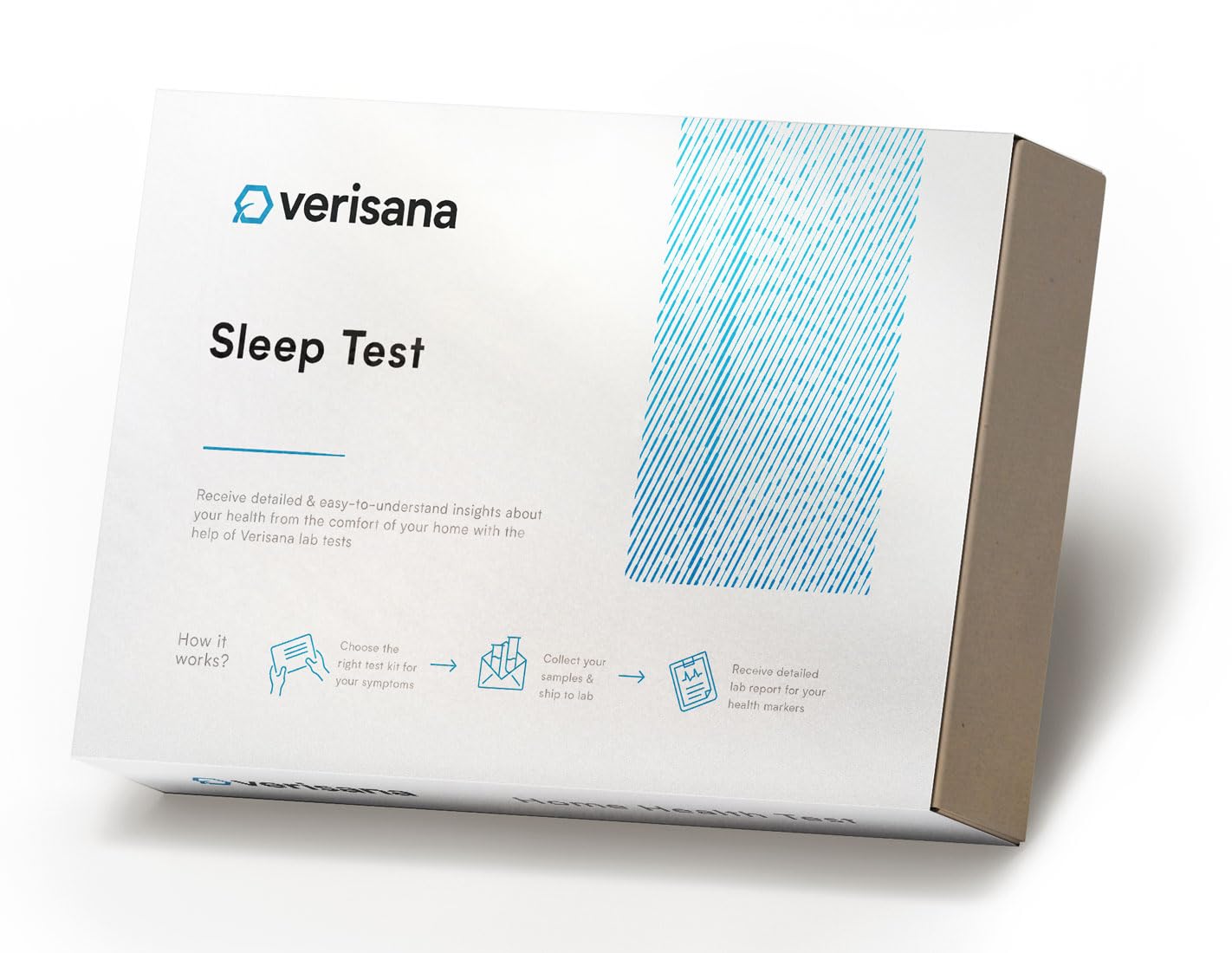
Sleep Test – Determines Cortisol and Melatonin Levels – Hormone Health Test for Sleeping Difficulty – Easily & Conveniently from Home – Analysis by CLIA-Certified Lab – Verisana
Our Sleep Test assessment <strong>measures cortisol, cortisone, and melatonin (MT6s) levels at four distinct times during the day</strong>. You collect your dried urine sample, send it back to us and
Evidence & Sources
Promising research with growing clinical support from multiple studies
- National Institutes of Health (NIH)
- National Center for Complementary and Integrative Health (NCCIH)
- Endocrine Society Clinical Practice Guidelines
- Journal of Clinical Endocrinology & Metabolism
- Steroids
- Clinical Biochemistry
- Mayo Clinic Laboratories
- American College of Obstetricians and Gynecologists (ACOG)
This content is for informational purposes only and does not constitute medical advice. Always consult a qualified healthcare provider before starting, stopping, or changing any supplement or medication regimen.