

DHEA Test
Also known as: Dehydroepiandrosterone Test, Adrenal Steroid Test
Overview
A DHEA test measures levels of dehydroepiandrosterone (DHEA) or its more commonly assessed circulating form, DHEA sulfate (DHEA-S) in the blood. DHEA is a hormone produced primarily by the adrenal glands, with smaller contributions from the ovaries and testes. It serves as a precursor hormone, meaning the body can convert it into other sex hormones, including testosterone and estrogens. Because of this central role in steroid hormone production, DHEA testing is often used as part of a broader evaluation of adrenal function, androgen excess, puberty-related changes, infertility, menstrual irregularities, and certain endocrine disorders.
DHEA-S is often favored in clinical testing because it is more stable in circulation than DHEA itself and tends to show less short-term fluctuation. Levels naturally vary by age and sex: they typically rise during adrenarche, peak in early adulthood, and gradually decline with age. Interpretation therefore depends heavily on reference ranges matched to age, sex, and laboratory method. A single result rarely stands alone; it is usually considered alongside symptoms, physical findings, and additional laboratory markers such as cortisol, ACTH, testosterone, estradiol, 17-hydroxyprogesterone, LH, FSH, or thyroid studies.
Clinically, elevated DHEA-S may raise suspicion for adrenal overproduction of androgens, which can be seen in conditions such as polycystic ovary syndrome (PCOS), congenital adrenal hyperplasia, or adrenal tumors. Low levels may be seen in some forms of adrenal insufficiency or broader endocrine dysfunction, although isolated low DHEA is not by itself diagnostic of a specific disease. Research also explores DHEA in relation to aging, mood, bone health, sexual function, and metabolic health, but these areas remain more complex and less definitive than its established role in endocrine assessment.
From a broader health perspective, the DHEA test is best understood as a context-dependent endocrine tool rather than a standalone marker of wellness. It may provide useful insight when hormonal symptoms are present, but results can be influenced by physiologic stage of life, medications, laboratory variability, and coexisting conditions. For that reason, healthcare professionals generally interpret DHEA testing within a full clinical evaluation rather than as an isolated indicator of hormonal balance.
Medical Perspectives
Two Ways of Seeing Health

Western
scientific · clinical
Western medicine applies science, technology, and clinical experience to treat symptoms through testing, diagnosis, and targeted intervention.

Eastern
traditional · alternative
Eastern medicine focuses on treating the body naturally by applying traditional knowledge practiced for thousands of years, emphasizing balance and whole-person wellness.
Gold Bamboo presents both perspectives side-by-side so you can make informed decisions. We don't advocate for one over the other — your health choices are yours.
Western Medicine Perspective
Western Medicine Perspective
In conventional medicine, DHEA testing is primarily used in the diagnostic workup of adrenal and androgen-related disorders. The test is especially relevant when clinicians are evaluating hirsutism, virilization, acne, irregular menstruation, infertility, early or delayed puberty, suspected adrenal tumors, congenital adrenal hyperplasia, or adrenal insufficiency. Because DHEA-S is produced largely by the adrenal cortex, a markedly elevated result may help distinguish an adrenal source of excess androgen from an ovarian source. In this sense, the test is often part of differential diagnosis rather than a general screening tool.
Western interpretation emphasizes biochemistry and endocrine physiology. DHEA and DHEA-S are downstream products of adrenal steroidogenesis under the influence of adrenocorticotropic hormone (ACTH). Their concentrations are reviewed in relation to the hypothalamic-pituitary-adrenal axis, gonadal hormones, and clinical signs of excess or deficiency. Studies indicate that DHEA-S can be useful in identifying patterns of hyperandrogenism, particularly when used with testosterone and 17-hydroxyprogesterone, though it is not sufficient on its own to confirm many conditions. Likewise, while low DHEA-S may occur in adrenal insufficiency, conventional diagnosis relies more heavily on cortisol testing and stimulation studies.
Conventional medicine also recognizes important limitations. DHEA levels decline with age, and lower levels in older adults do not necessarily indicate disease. In addition, assay methods, biologic variability, and use of supplements or medications can affect results. Research on DHEA as a biomarker for aging, depression, sexual health, or general vitality remains mixed, and major medical organizations generally treat these applications with caution. As a result, the strongest evidence for DHEA testing remains in targeted endocrine evaluation, not broad wellness assessment.
Eastern & Traditional Perspective
Eastern and Traditional Medicine Perspective
In Traditional Chinese Medicine (TCM) and related East Asian frameworks, a DHEA test is not a traditional diagnostic category, but its modern use may be viewed as one laboratory window into functions that overlap conceptually with Kidney essence, reproductive vitality, growth, aging, and endocrine resilience. Symptoms that lead to DHEA testing—such as fatigue, menstrual changes, infertility, early aging concerns, or changes in libido—may be interpreted in TCM through patterns involving Kidney deficiency, Liver qi stagnation, Phlegm-Damp accumulation, or disharmony of the Chong and Ren vessels. The laboratory result itself does not determine the traditional pattern; rather, it may be integrated alongside pulse, tongue, symptom history, sleep, digestion, and emotional state.
In Ayurveda, hormonal imbalance and adrenal strain are not framed in terms of DHEA specifically, but related presentations may be understood through disturbances in ojas, agni, dhatus, and doshic balance, particularly involving vata depletion, pitta excess, or metabolic dysregulation. Concerns such as irregular cycles, low vitality, stress-related exhaustion, or signs of androgen excess might be assessed through constitutional and systemic patterns rather than a single hormone marker. In integrative settings, a DHEA test may therefore function as a modern measurement that complements a broader traditional assessment of resilience, reproductive health, and systemic balance.
Naturopathic and integrative practitioners sometimes consider DHEA within a larger picture of stress physiology, endocrine communication, and healthy aging, but evidence-based caution remains important. Traditional systems generally emphasize that no single blood value fully captures health status. From this perspective, DHEA testing may contribute useful information, yet interpretation is typically considered most meaningful when combined with symptoms, overall constitution, lifestyle factors, and conventional medical evaluation. Research connecting DHEA biomarkers directly to traditional diagnostic frameworks remains limited, so these perspectives are best understood as interpretive parallels rather than equivalent medical models.
Supplements & Products
Recommended Products
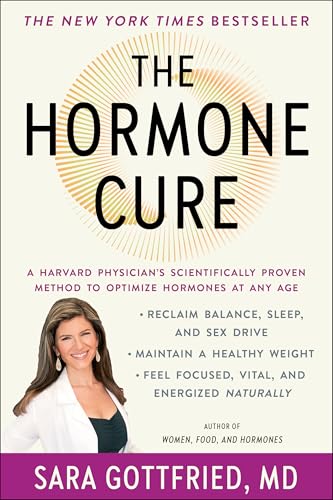
The Hormone Cure: Reclaim Balance, Sleep and Sex Drive; Lose Weight; Feel Focused, Vital, and Energized Naturally with the Gottfried Protocol: Gottfried, Dr. Sara, Northrup, Dr. Christianne
Sara Gottfried, a Harvard-educated ... In The Hormone Cure, <strong>she shares the unique hormone-balancing program that she has used to help thousands of women reclaim wellness, verve, and optimal he
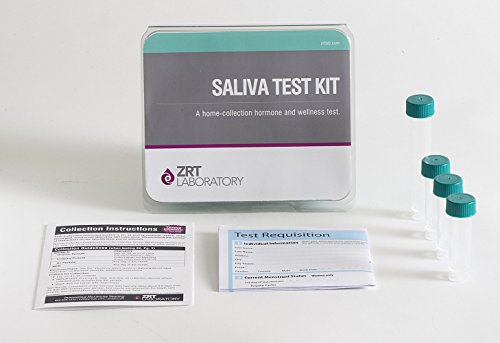
DHEA-S - Saliva Hormone Level Imbalance Testing Kit : Industrial & Scientific
Laboratory Diagnostics · › · Clinical Diagnostic Test Kits · Image not available for Color: To view this video download Flash Player · Brand: ZRT Lab · 4.5 4.5 out of 5 stars 9 ratings · Currently una
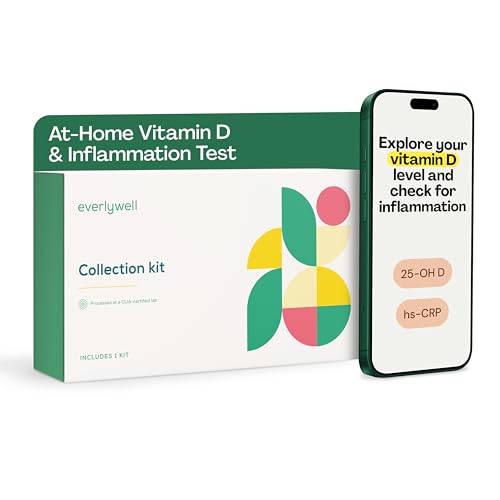
Everlywell At
Buy Everlywell At-Home Women's Health Test, Measures Biomarkers for Hormonal Imbalances in Women for Accurate Results from CLIA-Certified Labs Within Days, Ages 18 Plus on Amazon.com ✓ FREE SHIPP
Evidence & Sources
Promising research with growing clinical support from multiple studies
- Endocrine Society
- Mayo Clinic Laboratories
- MedlinePlus (U.S. National Library of Medicine)
- Merck Manual Professional Edition
- Journal of Clinical Endocrinology & Metabolism
- American Association for Clinical Chemistry (Lab Tests Online)
- NCCIH (National Center for Complementary and Integrative Health)
This content is for informational purposes only and does not constitute medical advice. Always consult a qualified healthcare provider before starting, stopping, or changing any supplement or medication regimen.