

Cytokine Panel
Also known as: Inflammatory Marker Panel, Cytokine Testing
Overview
A cytokine panel is a laboratory test that measures selected signaling proteins in blood that help coordinate immune activity. Cytokines include groups such as interleukins, interferons, tumor necrosis factors, chemokines, and growth factors. These molecules act as messengers between immune cells and tissues, helping regulate inflammation, infection responses, tissue repair, and immune tolerance. Because cytokine activity shifts in many illnesses, panel testing is used to provide a snapshot of immune system activation and inflammatory balance at a given moment.
Cytokine testing is most often discussed in contexts where immune signaling is thought to be altered, such as autoimmune disease, chronic inflammatory conditions, infections, sepsis, allergy, cancer immunology, and some complex multisystem illnesses. In research settings, cytokine profiles are also used to study patterns sometimes described as pro-inflammatory or anti-inflammatory, although real-world biology is more complex than a simple binary. Levels may vary substantially based on time of day, recent infection, medications, stress, exercise, age, laboratory method, and specimen handling, which is one reason interpretation can be challenging.
A typical panel may include markers such as IL-1beta, IL-6, IL-8, IL-10, TNF-alpha, IFN-gamma, and others, depending on the laboratory and clinical question. Some panels are broad multiplex assays that measure many cytokines at once, while others focus on a smaller set relevant to a particular disease area. Results are generally interpreted in combination with symptoms, medical history, physical findings, and other laboratory markers such as CRP, ESR, CBC, autoimmune serologies, or infection testing. On their own, cytokine values rarely establish a diagnosis.
The significance of a cytokine panel lies in its ability to reflect immune signaling patterns that may not be visible through standard inflammatory markers alone. At the same time, cytokines are dynamic and context-dependent, so elevated or reduced levels do not always translate neatly into a specific disease state. For this reason, cytokine panels are considered most useful when used thoughtfully within a broader clinical evaluation and, in many cases, remain more established in research, specialty care, and select hospital settings than in routine general screening.
Medical Perspectives
Two Ways of Seeing Health

Western
scientific · clinical
Western medicine applies science, technology, and clinical experience to treat symptoms through testing, diagnosis, and targeted intervention.

Eastern
traditional · alternative
Eastern medicine focuses on treating the body naturally by applying traditional knowledge practiced for thousands of years, emphasizing balance and whole-person wellness.
Gold Bamboo presents both perspectives side-by-side so you can make informed decisions. We don't advocate for one over the other — your health choices are yours.
Western Medicine Perspective
Western Medicine Perspective
In conventional medicine, cytokine panels are understood as tools for assessing aspects of the immune and inflammatory response. They are especially relevant in areas such as sepsis, rheumatology, immunology, oncology, transplant medicine, and infectious disease, where dysregulated immune signaling can influence severity, prognosis, or treatment response. Research has linked certain cytokines, including IL-6, TNF-alpha, and IL-1-related pathways, with inflammatory diseases and acute immune activation. In critical illness, for example, markedly abnormal cytokine patterns may correlate with disease severity, although the older concept of a uniform "cytokine storm" has evolved into a more nuanced view of heterogeneous immune responses.
From a clinical laboratory standpoint, several limitations are important. Cytokines often circulate at low concentrations, may have short half-lives, and can be influenced by pre-analytic variables such as collection tube type, processing time, and storage conditions. Different assay platforms—such as ELISA, bead-based multiplex immunoassays, electrochemiluminescence assays, or high-sensitivity methods—may produce differing results, and reference ranges are not always standardized across laboratories. This means that results can be difficult to compare between institutions or over time if methodology changes.
Conventional clinicians generally view cytokine panels as adjunctive rather than standalone tests. In some settings, a targeted cytokine marker may have clearer utility than a broad panel. For example, specific inflammatory biomarkers may be tracked in defined diseases or in clinical trials evaluating immunomodulatory therapies. However, for many chronic symptoms, the evidence for broad cytokine panel testing in routine practice remains limited, and interpretation often requires specialist expertise. Healthcare professionals typically consider whether a cytokine result meaningfully changes diagnosis, prognosis, or management before placing strong weight on it.
Eastern & Traditional Perspective
Eastern/Traditional Medicine Perspective
Traditional medical systems such as Traditional Chinese Medicine (TCM), Ayurveda, and naturopathy do not historically describe health in terms of cytokines, but many practitioners view cytokine panels as a modern biomedical window into processes that traditional frameworks have long recognized as patterns of imbalance. In TCM, immune dysregulation and inflammatory reactivity may be interpreted through concepts such as heat, toxic heat, damp-heat, qi deficiency, blood stasis, or disruption in the Lung, Spleen, and Kidney systems, depending on the presentation. A cytokine panel, from this perspective, may serve as supplementary information rather than the primary basis for assessment.
Ayurvedic interpretation may loosely relate abnormal inflammatory signaling to disturbances involving agni, ama, and doshic imbalance, particularly pitta-related inflammatory states or combined patterns affecting digestion, tissue metabolism, and systemic resilience. Naturopathic frameworks may connect cytokine findings with broader functional themes such as immune burden, barrier dysfunction, chronic stress physiology, environmental triggers, or unresolved inflammatory load. In these traditions, laboratory data are often considered alongside constitutional assessment, symptom patterns, digestion, sleep, energy, and environmental context.
Importantly, the use of cytokine panels within traditional and integrative practice is largely interpretive and contemporary, not rooted in classical diagnostic texts. Research exploring links between herbal medicine, mind-body practices, diet patterns, and cytokine changes is growing, but it is uneven in quality and often difficult to generalize. As a result, traditional practitioners who incorporate cytokine testing generally do so as part of an integrative model, while acknowledging that abnormal immune markers do not map directly onto traditional diagnostic categories and are best interpreted in collaboration with qualified healthcare professionals.
Supplements & Products
Recommended Products

Immune: A Journey into the Mysterious System That Keeps You Alive: Dettmer, Philipp
Without it, you would die within days. In Immune, Philipp Dettmer, the brains behind the most popular science channel on YouTube, <strong>takes readers on a journey through the fortress of the human b
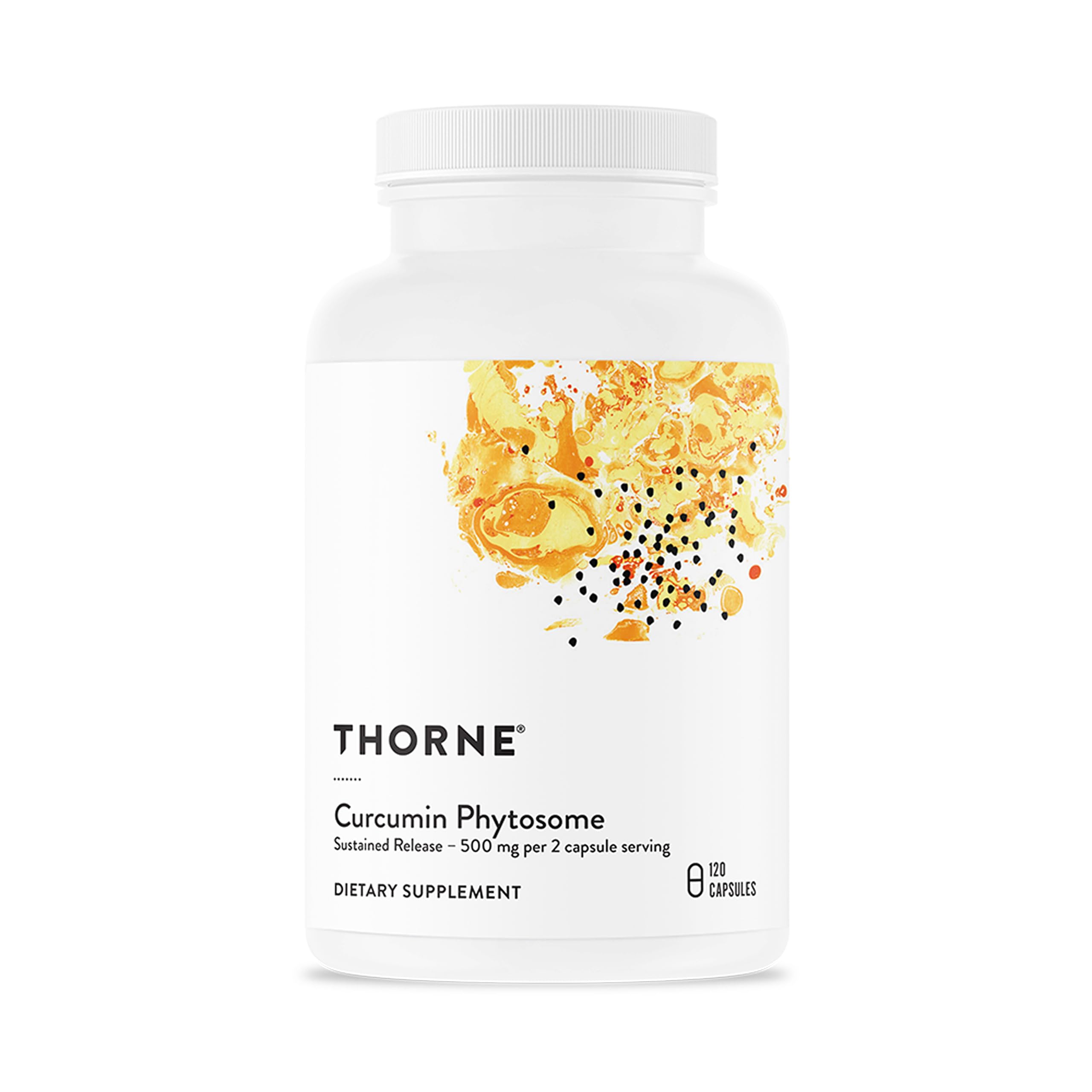
THORNE - Curcumin Phytosome 500 mg (Meriva) - Sustained Release, Clinically Studied - Supports Healthy Inflammatory Response in Joints, Muscles, GI Tract, Liver, Brain & Nerves* - 60 Servings
Buy THORNE - Curcumin Phytosome 500 mg (Meriva) - Sustained Release, Clinically Studied - <strong>Supports Healthy Inflammatory Response in Joints, Muscles, GI Tract, Liver, Brain & Nerves</strong

Nordic Naturals Ultimate Omega, Lemon Flavor - 120 Soft Gels - 1280 mg Omega-3 - High-Potency Fish Oil Supplement with EPA & DHA - Promotes Brain & Heart Health - Non-GMO - 60 Servings
Nordic Naturals Ultimate Omega-D3, Lemon Flavor - 120 Soft Gels - <strong>1280 mg Omega-3 + 1000 IU Vitamin D3 - EPA & DHA - Promotes Brain, Heart, & Immune Health</strong> - 60 Servings
Evidence & Sources
Promising research with growing clinical support from multiple studies
- National Cancer Institute (NCI) Dictionary of Cancer Terms
- National Institute of Allergy and Infectious Diseases (NIAID)
- National Center for Complementary and Integrative Health (NCCIH)
- World Health Organization (WHO)
- Nature Reviews Immunology
- The Lancet
- Critical Care
- Clinical Chemistry
- Journal of Immunological Methods
- Frontiers in Immunology
This content is for informational purposes only and does not constitute medical advice. Always consult a qualified healthcare provider before starting, stopping, or changing any supplement or medication regimen.