

Cortisol Test
Also known as: Hydrocortisone Test, Adrenal Function Test, Stress Hormone Test
Overview
A cortisol test measures the level of cortisol, a steroid hormone produced by the adrenal glands. Cortisol plays a central role in the body's stress response and helps regulate metabolism, blood pressure, immune activity, blood sugar balance, and sleep-wake rhythms. Because cortisol normally follows a daily pattern—typically highest in the morning and lower later in the day—testing is often interpreted in the context of timing, symptoms, and the broader clinical picture rather than as a stand-alone number.
Cortisol testing is commonly used to help assess adrenal gland and pituitary function. In conventional practice, it may be part of the evaluation for disorders linked to cortisol excess or deficiency, including Cushing syndrome, adrenal insufficiency such as Addison disease, and certain pituitary disorders. Depending on the question being investigated, cortisol can be measured in blood, saliva, or urine, and testing may be performed at a single time point or over a 24-hour period. In some cases, clinicians use cortisol measurements alongside ACTH testing or suppression/stimulation tests to better understand how the hypothalamic-pituitary-adrenal (HPA) axis is functioning.
The significance of cortisol testing lies in the fact that both too much and too little cortisol can affect multiple body systems. Elevated cortisol may be associated with weight gain, high blood pressure, glucose abnormalities, muscle weakness, and mood changes, while low cortisol may be linked to fatigue, low blood pressure, dizziness, appetite loss, and electrolyte disturbances. However, cortisol levels can also be influenced by acute illness, chronic stress, sleep disruption, pregnancy, medications, and shift work, so abnormal results do not automatically indicate a disease.
From a broader health perspective, cortisol has become widely discussed in wellness culture, often in relation to "stress" or "adrenal fatigue." It is important to distinguish between recognized endocrine disorders, which are diagnosable medical conditions, and broader lifestyle-related discussions about stress physiology. Research supports the clinical utility of cortisol testing in specific endocrine contexts, but interpretation is nuanced and generally requires guidance from qualified healthcare professionals.
Medical Perspectives
Two Ways of Seeing Health

Western
scientific · clinical
Western medicine applies science, technology, and clinical experience to treat symptoms through testing, diagnosis, and targeted intervention.

Eastern
traditional · alternative
Eastern medicine focuses on treating the body naturally by applying traditional knowledge practiced for thousands of years, emphasizing balance and whole-person wellness.
Gold Bamboo presents both perspectives side-by-side so you can make informed decisions. We don't advocate for one over the other — your health choices are yours.
Western Medicine Perspective
Western Medicine Perspective
In conventional medicine, cortisol testing is primarily understood as a tool for evaluating the HPA axis and diagnosing disorders of cortisol production. Blood cortisol tests may be ordered when there is suspicion of hypercortisolism or hypocortisolism, but single serum measurements have limitations because cortisol secretion is pulsatile and follows a circadian rhythm. For this reason, endocrinology guidelines often favor specific validated approaches such as late-night salivary cortisol, 24-hour urinary free cortisol, and the 1 mg overnight dexamethasone suppression test when evaluating possible Cushing syndrome.
When adrenal insufficiency is being considered, a morning serum cortisol may be used as an initial screening tool, but indeterminate results are often followed by an ACTH (cosyntropin) stimulation test. Clinicians may also measure plasma ACTH to help distinguish whether the cause is primarily adrenal or secondary to pituitary or hypothalamic dysfunction. Conventional interpretation emphasizes that cortisol testing is not only about whether the number is high or low, but also about when it was collected, which specimen was used, what medications are present, and how the result fits with symptoms and imaging or other lab findings.
Research and clinical guidelines support cortisol testing as an important part of endocrine diagnosis, especially for Cushing syndrome and adrenal insufficiency. At the same time, mainstream medicine does not generally recognize "adrenal fatigue" as a validated medical diagnosis, and routine cortisol testing for nonspecific tiredness alone remains controversial. Overall, western medicine views the cortisol test as a specialized diagnostic tool with strong utility in defined clinical scenarios, rather than a general marker of everyday stress health.
Eastern & Traditional Perspective
Eastern/Traditional Medicine Perspective
In Traditional Chinese Medicine (TCM) and related East Asian systems, cortisol itself is not a traditional diagnostic category, but the patterns associated with stress, exhaustion, sleep disturbance, and systemic depletion may be interpreted through frameworks such as Kidney deficiency, Liver qi stagnation, Spleen qi deficiency, or disharmony between organ systems. From this perspective, symptoms that prompt cortisol testing in western medicine may reflect an imbalance in the body's adaptive reserves, emotional regulation, and restorative capacity rather than a single hormone abnormality.
In Ayurveda, presentations associated with chronic stress and endocrine imbalance may be discussed in terms of disturbed doshas, impaired resilience, or depletion of vitality, often with attention to daily rhythms, digestion, sleep, and mental state. Naturopathic and integrative practitioners may also discuss cortisol patterns in relation to stress physiology, though approaches vary widely. These systems often place strong emphasis on whole-person assessment, considering environmental strain, diet, rest, emotional wellbeing, and constitutional tendencies.
Traditional systems generally do not use cortisol testing as a primary historical diagnostic method, but in modern integrative settings, laboratory cortisol results may be incorporated alongside traditional pattern assessment. Research on how eastern or traditional interventions influence cortisol levels is emerging but mixed; some studies suggest associations between practices such as meditation, yoga, tai chi, acupuncture, and changes in stress biomarkers, though findings are not always consistent and do not replace endocrine evaluation when a true adrenal disorder is suspected. In this context, the cortisol test may be seen as a modern biomedical measurement that can complement, but not define, traditional interpretations of stress-related imbalance.
Supplements & Products
Recommended Products
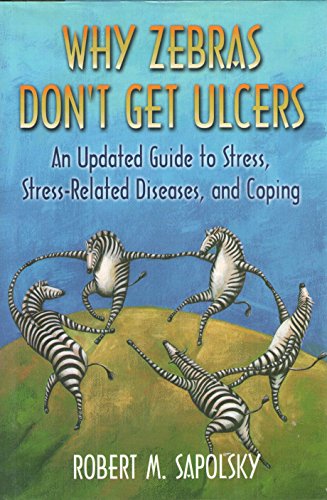
Why Zebras Don't Get Ulcers: An Updated Guide to Stress, Stress Related Diseases, and Coping (2nd Edition): Sapolsky, Robert M.
In a fascinating look at the science of stress, biologist Robert Sapolsky presents an intriguing case, that <strong>people develop such diseases partly because our bodies aren't designed for the
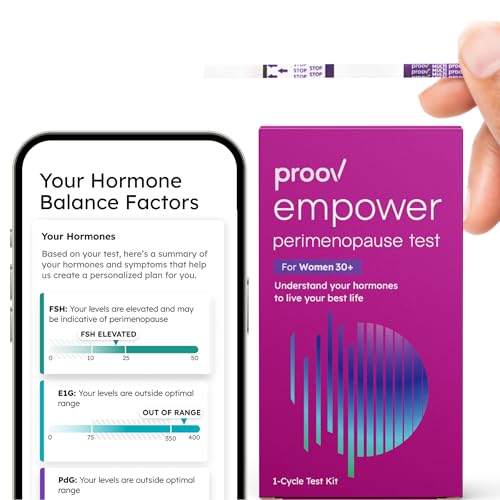
Adrenal Hormones at Home Saliva Test Kit - Diurnal 4 Point Cortisol + DHEA - Optimal Adrenals : Industrial & Scientific
Adrenal Function Test – Saliva Test Kit for Diurnal Cortisol Levels and DHEA – <strong>Measure 4 Cortisol Levels + 1 DHEA Level for Insight into Adrenal Health</strong> – Verisana · Home Stress Test –
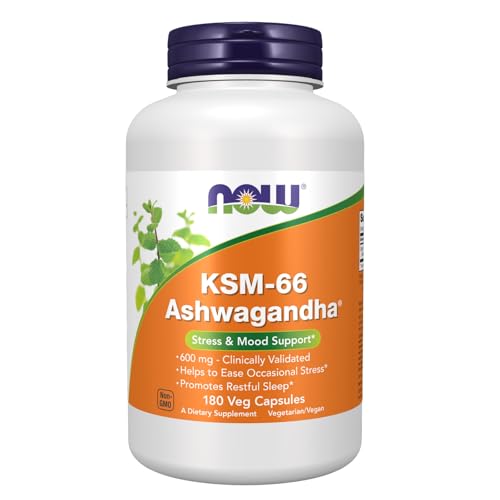
Now Supplements, KSM-66 Ashwagandha®, Stress and Sleep Support, 90 Veg Capsules
KSM 66 Ashwagandha 1,200mg with Black Pepper, 120 Veggie Capsules – Extra Strength Root Extract – High Absorption – <strong>Adaptogenic Supplements for Relaxation, Energy, & Brain Health – Non-GMO
Evidence & Sources
Supported by multiple clinical trials and systematic reviews
- Endocrine Society Clinical Practice Guidelines
- National Institute of Diabetes and Digestive and Kidney Diseases (NIDDK)
- MedlinePlus, U.S. National Library of Medicine
- Mayo Clinic Proceedings
- Journal of Clinical Endocrinology & Metabolism
- NCCIH (National Center for Complementary and Integrative Health)
- World Health Organization (WHO) Traditional Medicine resources
This content is for informational purposes only and does not constitute medical advice. Always consult a qualified healthcare provider before starting, stopping, or changing any supplement or medication regimen.