

Comprehensive Metabolic Panel
Also known as: CMP, Metabolic Panel, Chemistry Panel
Overview
A Comprehensive Metabolic Panel (CMP) is a common laboratory blood test that measures a group of biomarkers related to the body’s metabolism, electrolyte balance, blood sugar regulation, protein status, and liver and kidney function. It typically includes 14 analytes, such as glucose, calcium, sodium, potassium, chloride, bicarbonate (CO2), blood urea nitrogen (BUN), creatinine, albumin, total protein, alkaline phosphatase (ALP), alanine aminotransferase (ALT), aspartate aminotransferase (AST), and bilirubin. Rather than diagnosing a single condition on its own, the CMP offers a broad snapshot of physiologic function and is often interpreted alongside symptoms, medical history, medications, and other tests.
In clinical practice, the CMP is widely used as part of routine health evaluation, chronic disease monitoring, preoperative assessment, and medication safety monitoring. Because it includes markers associated with the liver, kidneys, acid-base status, hydration, and glucose metabolism, it can help identify patterns that may warrant further evaluation. For example, abnormalities may be associated with dehydration, diabetes, liver inflammation, biliary obstruction, kidney impairment, electrolyte disturbances, or nutritional issues. Many results are influenced by context, however, and mild deviations do not always indicate disease.
The significance of the CMP lies in its breadth and practicality. It is one of the most frequently ordered blood panels in conventional medicine because it helps clinicians assess multiple organ systems from a single blood draw. Research and clinical guidelines support the use of metabolic panels in appropriate screening and monitoring settings, especially when there are risk factors such as hypertension, diabetes, chronic kidney disease, liver disease, or use of medications that can affect electrolytes or organ function.
From a broader integrative health perspective, CMP findings are sometimes viewed as a bridge between objective biochemical measurement and a more holistic picture of health. Conventional medicine relies on these values for organ-based assessment, while traditional systems may interpret the same person’s symptoms and constitution through different frameworks. In either case, CMP results are generally most meaningful when reviewed by a qualified healthcare professional who can place them in the full clinical context.
Medical Perspectives
Two Ways of Seeing Health

Western
scientific · clinical
Western medicine applies science, technology, and clinical experience to treat symptoms through testing, diagnosis, and targeted intervention.

Eastern
traditional · alternative
Eastern medicine focuses on treating the body naturally by applying traditional knowledge practiced for thousands of years, emphasizing balance and whole-person wellness.
Gold Bamboo presents both perspectives side-by-side so you can make informed decisions. We don't advocate for one over the other — your health choices are yours.
Western Medicine Perspective
Western Medicine Perspective
In conventional medicine, the Comprehensive Metabolic Panel is understood as a standardized biochemical test used to evaluate several core physiologic domains at once. The kidney-related components—particularly BUN and creatinine—help estimate how well the kidneys are filtering waste, while electrolyte markers such as sodium, potassium, chloride, and bicarbonate offer insight into fluid status, acid-base balance, and neuromuscular function. The liver-related markers—ALT, AST, ALP, bilirubin, albumin, and total protein—can suggest patterns associated with liver cell injury, cholestasis, impaired protein synthesis, or systemic inflammation, though they are not specific enough to establish a diagnosis by themselves.
The test is often used in screening, surveillance, and monitoring rather than as a standalone diagnostic endpoint. For example, studies and guideline-based practice indicate that metabolic panels can be valuable for tracking known conditions such as diabetes, hypertension, chronic kidney disease, and liver disorders, or for monitoring the effects of medications including diuretics, antihypertensives, and certain lipid-lowering or psychiatric drugs. Interpretation generally depends on trends over time, degree of abnormality, and whether abnormalities occur in isolation or in recognizable clusters.
Conventional medicine also emphasizes the limitations of the CMP. Values can be affected by fasting status, hydration, recent exercise, alcohol intake, laboratory variation, hemolysis, and medications or supplements. In addition, many analytes have broad reference intervals, and an “abnormal” result may not necessarily represent clinically significant disease. For that reason, clinicians often correlate CMP findings with additional testing such as a complete blood count, urinalysis, hemoglobin A1c, estimated glomerular filtration rate (eGFR), hepatitis testing, or imaging when indicated.
Overall, the Western approach views the CMP as a high-utility, evidence-supported laboratory tool for assessing internal biochemical balance and organ function. Its strength is not in providing a final answer on its own, but in helping identify whether further evaluation may be needed and in tracking how the body responds over time.
Eastern & Traditional Perspective
Eastern and Traditional Medicine Perspective
Traditional systems such as Traditional Chinese Medicine (TCM), Ayurveda, and naturopathic medicine do not historically use the Comprehensive Metabolic Panel as a diagnostic tool in their classical frameworks. Instead, these systems developed their own methods of assessment—such as pulse and tongue evaluation in TCM, or prakriti, agni, and dosha-based assessment in Ayurveda—to understand patterns of imbalance. In these traditions, symptoms like fatigue, poor digestion, swelling, thirst, irritability, jaundice, or changes in urination might be interpreted through functional patterns rather than isolated lab values.
From a modern integrative standpoint, some practitioners use CMP results as adjunctive information that can complement traditional assessment. For example, liver enzyme elevations may be discussed alongside TCM concepts involving Liver Qi stagnation, Damp-Heat, or Heat toxins, while fluid and electrolyte issues might be considered in relation to patterns of dampness, deficiency, or impaired transformation and transportation. In Ayurveda, glucose imbalance, digestive disturbance, or altered protein metabolism may be interpreted through the lens of agni (digestive/metabolic fire), ama (metabolic byproducts), and doshic imbalance, particularly involving Kapha and Pitta patterns depending on presentation.
Naturopathic and functional traditions may place added emphasis on whole-person context, including diet, stress, sleep, digestion, toxin exposure, and lifestyle patterns, while still relying on standard laboratory tests such as the CMP for measurable data. Research in integrative medicine suggests that combining conventional lab interpretation with broader lifestyle and symptom assessment may support more individualized understanding, although the traditional explanatory models themselves are not generally validated in the same way as biomedical laboratory science.
In this sense, the Eastern/traditional perspective does not replace the biomedical interpretation of a CMP, but may frame the test as one part of a larger picture of systemic balance. Consultation with appropriately trained healthcare professionals is important when integrating laboratory findings with traditional health frameworks.
Supplements & Products
Recommended Products

Your Blood Never Lies: How to Read a Blood Test for a Longer, Healthier Life: LaValle, James B.
-- Neil Raff, MD ― Neil Raff, MD · James B. LaValle, RPh, CCN, is a <strong>nationally recognized clinical pharmacist,nutritionist, and the founder of LaValle Metabolic Institute and IntegrativeHealth
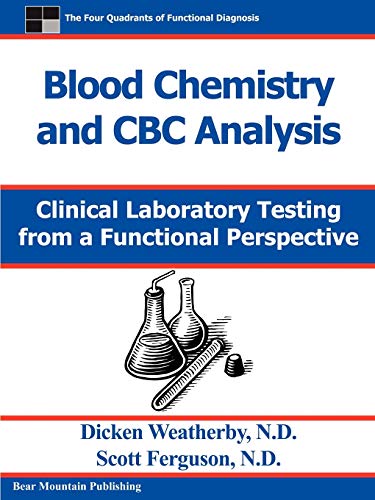
Blood Chemistry and CBC Analysis: Clinical Laboratory Testing from a Functional Perspective: Weatherby, Dr Dicken, Ferguson, Dr Scott
His bestselling book “Blood Chemistry and CBC Analysis – <strong>Clinical Laboratory testing from a Functional Perspective</strong>“, has become one of the seminal texts on the Functional Analysis of
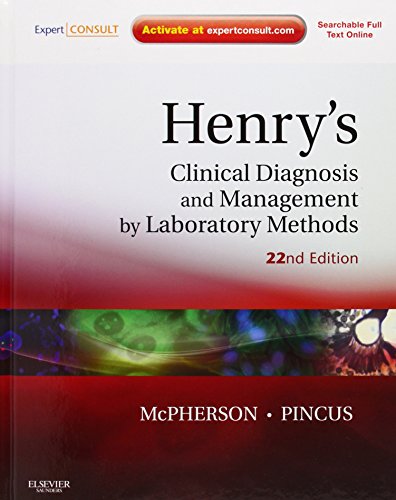
Henry's Clinical Diagnosis and Management by Laboratory Methods: McPherson MD MSc, Richard A., Pincus MD PhD, Matthew R.
New content covers next generation ... coding for billing and reimbursement · <strong>Emphasizes the clinical interpretation of laboratory data to assist the clinician in patient management</strong>..
Evidence & Sources
Supported by multiple clinical trials and systematic reviews
- MedlinePlus, U.S. National Library of Medicine
- Mayo Clinic Laboratories
- Cleveland Clinic
- National Institute of Diabetes and Digestive and Kidney Diseases (NIDDK)
- American Association for Clinical Chemistry (AACC), Lab Tests Online
- American College of Gastroenterology
- Kidney Disease: Improving Global Outcomes (KDIGO)
- National Center for Complementary and Integrative Health (NCCIH)
This content is for informational purposes only and does not constitute medical advice. Always consult a qualified healthcare provider before starting, stopping, or changing any supplement or medication regimen.