

Complete Blood Count
Also known as: CBC, Full Blood Count, Blood Cell Count
Overview
A Complete Blood Count (CBC) is one of the most commonly ordered laboratory tests in medicine. It is a broad screening and monitoring blood test that measures the major cellular components of blood: red blood cells (RBCs), white blood cells (WBCs), hemoglobin, hematocrit, platelets, and often a white blood cell differential that breaks down immune cell types such as neutrophils, lymphocytes, monocytes, eosinophils, and basophils. Because blood reflects oxygen transport, immune activity, clotting function, hydration status, bone marrow activity, and systemic inflammation, the CBC is widely used to assess overall health and to help detect a large range of disorders.
In clinical practice, the CBC is used in many settings: routine health evaluation, investigation of symptoms such as fatigue, weakness, fever, bruising, bleeding, or infection, and ongoing monitoring of chronic disease, medications, chemotherapy, or recovery after illness or surgery. Abnormal CBC values do not by themselves establish a diagnosis, but they often provide important clues that guide additional evaluation. For example, low hemoglobin may suggest anemia; elevated white blood cells may be associated with infection, inflammation, stress, or hematologic disease; and low platelet counts may raise concern for bleeding risk or bone marrow disorders.
A CBC is considered a foundational diagnostic test because it offers a snapshot of how the bone marrow, immune system, and circulatory system are functioning. Modern analyzers also report red blood cell indices such as MCV (mean corpuscular volume), MCH, MCHC, and RDW, which help clinicians characterize types of anemia and other blood disorders. Interpretation depends heavily on context, including age, sex, pregnancy status, altitude, medications, recent illness, hydration, and laboratory reference ranges.
Although the CBC is a conventional laboratory tool rather than a therapy, it has significance across many healthcare systems because it can reveal patterns associated with nutritional deficiency, acute infection, chronic inflammation, allergic states, blood loss, autoimmune conditions, and malignancy. Its value lies not only in identifying abnormalities, but also in tracking trends over time. As with all laboratory testing, results are most meaningful when interpreted by a qualified healthcare professional alongside symptoms, medical history, physical examination, and, when needed, additional tests.
Medical Perspectives
Two Ways of Seeing Health

Western
scientific · clinical
Western medicine applies science, technology, and clinical experience to treat symptoms through testing, diagnosis, and targeted intervention.

Eastern
traditional · alternative
Eastern medicine focuses on treating the body naturally by applying traditional knowledge practiced for thousands of years, emphasizing balance and whole-person wellness.
Gold Bamboo presents both perspectives side-by-side so you can make informed decisions. We don't advocate for one over the other — your health choices are yours.
Western Medicine Perspective
Western Medicine Perspective
In conventional medicine, the CBC is a core diagnostic and monitoring test. It is typically ordered when clinicians want to evaluate nonspecific symptoms, investigate suspected blood disorders, establish preoperative baseline status, or monitor known conditions. The test is processed using automated hematology analyzers, and the results are interpreted according to standardized reference intervals. Particular attention is often given to patterns rather than isolated values. For instance, a low hemoglobin combined with low MCV may suggest microcytic anemia, often associated with iron deficiency or thalassemia traits, while high MCV may point toward macrocytic processes such as vitamin B12 or folate deficiency, alcohol-related effects, liver disease, or marrow dysfunction.
White blood cell results are used to assess possible immune and inflammatory activity. Leukocytosis may be seen with infection, corticosteroid use, inflammation, physiologic stress, smoking, or hematologic malignancy. Leukopenia can occur with viral illness, autoimmune disease, medication effects, marrow suppression, or nutritional deficiency. The differential adds diagnostic nuance: neutrophil predominance may be associated with bacterial infection or stress responses, while eosinophilia may be linked to allergy, asthma, drug reactions, or parasitic exposure. Platelet counts help assess clotting-related risk; thrombocytopenia may be associated with immune destruction, liver disease, infections, medication effects, or bone marrow problems, whereas thrombocytosis may occur reactively in inflammation or iron deficiency, or less commonly in myeloproliferative disorders.
A CBC rarely stands alone. Conventional care uses it as part of a larger diagnostic framework that may include iron studies, vitamin levels, reticulocyte count, peripheral blood smear, inflammatory markers, kidney and liver testing, coagulation studies, or bone marrow evaluation depending on the pattern observed. Research and clinical guidelines strongly support the CBC as a reliable, well-established tool in preventive care, acute care, hematology, oncology, infectious disease, and internal medicine. Still, minor abnormalities are common and not always clinically significant, underscoring the importance of individualized interpretation by a healthcare provider.
Eastern & Traditional Perspective
Eastern/Traditional Medicine Perspective
Traditional and integrative systems generally do not use the CBC as an original historical diagnostic method, but many contemporary practitioners incorporate conventional laboratory data alongside traditional assessment. In Traditional Chinese Medicine (TCM), health patterns are classically evaluated through observation, pulse, tongue findings, symptom patterns, and overall constitution rather than cell counts. That said, some modern TCM practitioners may view CBC abnormalities as biomedical correlates of broader traditional patterns. For example, anemia-like presentations may be discussed in relation to Blood deficiency, while recurrent infections or low energy may be interpreted through concepts such as Qi deficiency or weakened defensive Qi. These interpretations are conceptual parallels rather than direct one-to-one equivalents.
In Ayurveda, blood-related concerns may be discussed through the lens of Rakta dhatu, digestion and assimilation, constitutional balance, and the influence of doshas such as Pitta, Vata, and Kapha. Fatigue, pallor, weakness, inflammatory states, or bruising tendencies may be assessed as manifestations of systemic imbalance rather than isolated laboratory abnormalities. Likewise, naturopathic and functional traditions often consider CBC findings in connection with nutrition, stress physiology, inflammation, gut health, and overall vitality, while still relying on conventional reference ranges for laboratory interpretation.
Across these systems, the CBC can serve as a useful bridge between traditional pattern recognition and modern biomedical assessment. Integrative practitioners may use CBC trends to contextualize symptoms, monitor overall resilience, or identify when further conventional evaluation is warranted. However, traditional frameworks do not replace hematologic diagnosis, and serious CBC abnormalities—such as markedly low blood counts or concerning white cell changes—are generally recognized as requiring prompt evaluation within conventional medicine. This balanced approach reflects the growing role of integrative care, where laboratory testing and traditional assessment may be used side by side.
Supplements & Products
Recommended Products

Your Blood Never Lies: How to Read a Blood Test for a Longer, Healthier Life: LaValle, James B.
-- Neil Raff, MD ― Neil Raff, MD · James B. LaValle, RPh, CCN, is a <strong>nationally recognized clinical pharmacist,nutritionist, and the founder of LaValle Metabolic Institute and IntegrativeHealth

NOW Foods Supplements, Iron 18 mg, Non-Constipating*, Essential Mineral, 120 Veg Capsules
Supplement FactsServing Size:1 ... (Ferrochel™) 18 mg 100% Other Ingredients: <strong>Rice Flour, Hypromellose (cellulose capsule), Stearic Acid (vegetable source) and Silicon Dioxide</strong>....
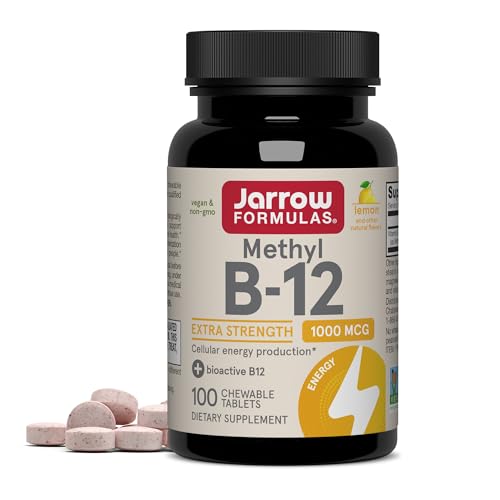
Jarrow Formulas Methyl Vitamin B-12 1000 mcg, 100 Chewable Tablets, Lemon Flavored- Bioactive B12 Vitamin - Supports Cellular Energy Production, Brain Health & Metabolism - 100 Servings
Jarrow Formulas® Methyl B-12 Tablets, 500 mg, <strong>Dietary Supplement for Cellular Energy Production and Brain Health Support</strong>, 100 Cherry Flavor Chewable Tablets, 100 Day Supply · NOW Supp
Evidence & Sources
Supported by multiple clinical trials and systematic reviews
- MedlinePlus, U.S. National Library of Medicine
- National Heart, Lung, and Blood Institute (NHLBI)
- Mayo Clinic Laboratories
- American Society of Hematology
- World Health Organization (WHO) haemoglobin and anemia resources
- Dacie and Lewis Practical Haematology
- Henry's Clinical Diagnosis and Management by Laboratory Methods
This content is for informational purposes only and does not constitute medical advice. Always consult a qualified healthcare provider before starting, stopping, or changing any supplement or medication regimen.