

Chemical Sensitivity Panel
Also known as: Chemical Allergy Test, Environmental Sensitivity Testing
Overview
A chemical sensitivity panel is a broad, nonstandard term used for laboratory or clinical testing intended to evaluate whether a person may be reacting to environmental chemicals such as volatile organic compounds, solvents, fragrances, pesticides, plastics-related compounds, or other everyday exposures. These panels are often discussed in the context of unexplained, multisystem symptoms—for example headaches, fatigue, cognitive fog, respiratory irritation, skin symptoms, or gastrointestinal complaints—when individuals suspect that indoor air, occupational exposures, household products, or pollutants may be contributing factors. Depending on the provider or laboratory, a “chemical sensitivity panel” may include immune markers, toxicant burden biomarkers, metabolic detoxification-related measures, or reactivity testing, though there is no single universally accepted panel under this name.
The topic intersects with several related but distinct concepts: allergy, toxic exposure, contact dermatitis, occupational/environmental medicine, and multiple chemical sensitivity (MCS), sometimes termed idiopathic environmental intolerance (IEI). This distinction matters because a true allergy involves defined immune mechanisms, whereas chemical intolerance or sensitivity may refer to symptom patterns triggered by low-level exposures without a clearly established or consistent biological marker. In conventional medicine, this remains an area of debate, and research continues to explore whether symptom patterns reflect toxicologic, neurologic, immunologic, psychophysiologic, or multifactorial processes.
From a practical standpoint, tests grouped under a chemical sensitivity panel may be used to generate hypotheses about potential exposure patterns, susceptibilities, or physiologic responses rather than to establish a universally recognized diagnosis. The clinical value depends heavily on what is being measured, how validated the assay is, and whether the findings correlate with a person’s symptoms, history, workplace or home environment, and physical examination. Some components—such as heavy metal testing in a documented exposure scenario, patch testing for contact allergens, or cholinesterase testing after pesticide exposure—have clearer medical roles than broad “sensitivity” panels marketed directly to consumers.
Because terminology is inconsistent, interpreting a chemical sensitivity panel often requires caution. Research and expert organizations generally emphasize that exposure history, symptom pattern, occupational and environmental assessment, and targeted testing are more established than broad screening panels for chemical “sensitivity” alone. As a result, this area is best understood as a blend of environmental health investigation, symptom evaluation, and—in some settings—integrative interpretation rather than a single standardized diagnostic category.
Medical Perspectives
Two Ways of Seeing Health

Western
scientific · clinical
Western medicine applies science, technology, and clinical experience to treat symptoms through testing, diagnosis, and targeted intervention.

Eastern
traditional · alternative
Eastern medicine focuses on treating the body naturally by applying traditional knowledge practiced for thousands of years, emphasizing balance and whole-person wellness.
Gold Bamboo presents both perspectives side-by-side so you can make informed decisions. We don't advocate for one over the other — your health choices are yours.
Western Medicine Perspective
Western Medicine Perspective
In conventional medicine, the evaluation of suspected chemical-related symptoms usually begins with a structured history rather than a single test panel. Clinicians often look at the timing of symptoms, specific triggers, occupation, home and building environment, hobbies, medication use, ventilation, and coexisting conditions such as asthma, migraine, dermatitis, anxiety, or mast cell-related disorders. The western framework distinguishes among several possibilities: toxic exposure, allergic disease, irritant reactions, occupational illness, and the more controversial entity of idiopathic environmental intolerance/multiple chemical sensitivity. Mainstream medical organizations generally recognize that patients’ symptoms are real and potentially disabling, while also noting that no single laboratory marker has been consistently validated for MCS/IEI.
Tests that may be relevant in a conventional workup are usually targeted rather than broad. Depending on the suspected exposure, this may include blood or urine toxicology, pulmonary function testing, liver or kidney function tests, cholinesterase levels, patch testing for contact dermatitis, allergy evaluation, or industrial hygiene/environmental assessment. By contrast, some commercially marketed chemical sensitivity panels rely on assays—such as certain antibody or lymphocyte reactivity tests to chemicals—for which clinical validity and reproducibility remain uncertain. Reviews from occupational and environmental medicine literature have generally found that evidence supporting many of these broad sensitivity tests is limited or inconsistent.
Research into MCS/IEI has explored possible mechanisms including central sensitization, altered odor processing, autonomic dysregulation, stress-response pathways, conditioned responses, low-level toxicant effects, and gene-environment interactions. No single explanation has been universally accepted. Accordingly, western medicine tends to view chemical sensitivity panels as an area where methodologic rigor and context are essential: established tests may be useful when tied to a defined exposure question, but broad “reactivity” panels often fall into a category of emerging or controversial diagnostics rather than standard care.
Eastern & Traditional Perspective
Eastern/Traditional Medicine Perspective
Traditional and integrative systems generally do not frame illness in terms of a modern “chemical sensitivity panel,” but they often recognize patterns in which the body appears overburdened by environmental influences. In Traditional Chinese Medicine (TCM), unexplained sensitivity to odors, fumes, foods, or surroundings may be interpreted through pattern-based concepts such as Lung system vulnerability, Spleen deficiency, impaired transformation and transport, accumulation of phlegm-dampness, or constrained Liver qi affecting the body’s adaptive capacity. Symptoms like headaches, fatigue, nausea, chest tightness, irritability, skin eruptions, or cognitive clouding would traditionally be assessed as part of a broader pattern rather than attributed to a single lab-defined sensitivity.
In Ayurveda, comparable symptom clusters may be discussed in terms of ama (metabolic byproducts associated with impaired digestion and processing), imbalance of vata in the nervous system, or aggravation of pitta in inflammatory or reactivity-prone states. Naturopathic and other holistic traditions often describe these concerns using language such as toxic load, impaired biotransformation, or reduced resilience to environmental stressors. These frameworks emphasize the terrain of the individual—digestion, elimination, sleep, stress, constitution, and cumulative exposures—more than one discrete diagnostic marker.
From an eastern or traditional perspective, laboratory testing may be viewed as supplementary rather than central. A modern chemical sensitivity panel might be used in integrative practice as one data point alongside pulse/tongue assessment, constitutional analysis, symptom diaries, and exposure history. However, these traditions generally rely more on pattern recognition and individualized interpretation than on validated chemical sensitivity biomarkers. As a result, eastern perspectives may find such panels interesting for context, while maintaining that symptom meaning emerges from the whole-person pattern rather than the test result alone.
Supplements & Products
Recommended Products
Chemical Exposures: Low Levels and High Stakes, 2nd Edition
by Nicholas A. Ashford (Author), ... Stakes <strong>explains how day-to-day variations in chemical exposure may cause unusual and seemingly unpredictable symptoms, including many that have been termed
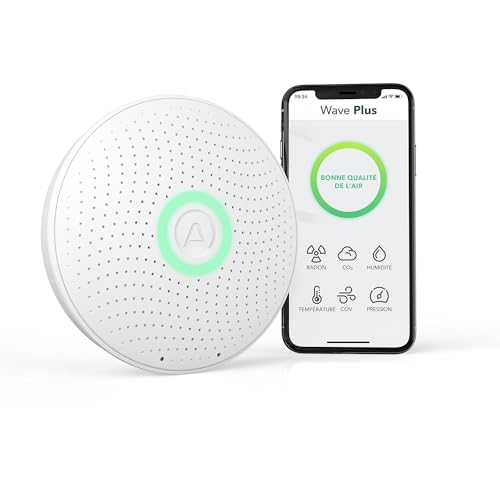
Airthings 2930 Wave Plus - Radon & Air Quality Monitor, Battery Powered (CO2, VOC, Humidity, Temp, Pressure): Amazon.com: Industrial & Scientific
Airthings Wave Plus measures radon ... products), humidity, temperature and air pressure sensors <strong>allow you to gain full visibility into six key indoor air factors</strong>...

VOCs, Active Mold, & Formaldehyde Tests - Indoor Air Quality by Home Air Check : Industrial & Scientific
Take proactive steps towards ensuring ... to use and reliable, our kit <strong>provides detailed insights into indoor air quality, empowering you to make informed decisions for a healthier living spac
Evidence & Sources
Early-stage research, mostly preclinical or preliminary human studies
- World Health Organization (International Programme on Chemical Safety)
- National Institute of Environmental Health Sciences (NIEHS)
- Agency for Toxic Substances and Disease Registry (ATSDR)
- American College of Occupational and Environmental Medicine (ACOEM)
- National Academies of Sciences, Engineering, and Medicine
- New England Journal of Medicine
- Environmental Health Perspectives
- Journal of Allergy and Clinical Immunology
- NCCIH (National Center for Complementary and Integrative Health)
This content is for informational purposes only and does not constitute medical advice. Always consult a qualified healthcare provider before starting, stopping, or changing any supplement or medication regimen.