

Carotid Intima Media Thickness
Also known as: CIMT, Carotid IMT, Carotid Ultrasound Thickness Test
Overview
Carotid Intima Media Thickness (CIMT) is an ultrasound-based measurement of the thickness of the inner two layers of the carotid artery wall—the intima and media. Because the carotid arteries are accessible and reflect broader vascular health, CIMT has been studied as a noninvasive marker of arterial aging, early atherosclerotic change, and cardiovascular risk. It is often discussed in preventive and integrative medicine settings as a way to assess subclinical vascular changes before overt cardiovascular disease becomes apparent.
CIMT is typically measured with B-mode ultrasound, most often in the common carotid artery, and may be reported alongside the presence or absence of carotid plaque. In research, greater CIMT has been associated with traditional cardiovascular risk factors such as age, hypertension, diabetes, dyslipidemia, smoking, chronic inflammation, and metabolic syndrome. Higher values have also been linked to increased rates of future cardiovascular events, although interpretation depends on how the test is performed and whether plaque is also present.
A key nuance is that CIMT is not the same as carotid plaque assessment. Many experts consider discrete plaque detection to be a stronger marker of atherosclerotic disease than intima-media thickness alone. For this reason, the clinical role of CIMT has evolved: it remains important in research and may be used in select preventive contexts, but major guideline groups have not uniformly endorsed it for routine cardiovascular screening in the general population.
From a broader health perspective, CIMT sits at the intersection of screening, risk prediction, and vascular prevention. It appeals to patients and clinicians interested in earlier insight into cardiovascular health, especially when conventional risk scores may not fully capture lifetime risk. Still, findings are best understood in context, with attention to standard risk factors, imaging quality, and interpretation by qualified healthcare professionals.
Medical Perspectives
Two Ways of Seeing Health

Western
scientific · clinical
Western medicine applies science, technology, and clinical experience to treat symptoms through testing, diagnosis, and targeted intervention.

Eastern
traditional · alternative
Eastern medicine focuses on treating the body naturally by applying traditional knowledge practiced for thousands of years, emphasizing balance and whole-person wellness.
Gold Bamboo presents both perspectives side-by-side so you can make informed decisions. We don't advocate for one over the other — your health choices are yours.
Western Medicine Perspective
Western Medicine Perspective
In conventional medicine, CIMT is viewed primarily as a surrogate marker of vascular structure rather than a stand-alone diagnostic test for cardiovascular disease. It has been widely used in epidemiologic studies and clinical trials to track vascular changes over time and to evaluate associations with heart attack and stroke risk. Research suggests that increased CIMT correlates with cumulative exposure to risk factors and may reflect both adaptive arterial remodeling and early atherosclerotic change.
At the same time, the clinical usefulness of CIMT for routine risk stratification remains debated. Professional societies such as the American College of Cardiology/American Heart Association have generally not supported widespread use of CIMT for broad cardiovascular risk assessment because incremental predictive value over established tools—such as blood pressure, lipid levels, diabetes status, smoking history, and pooled risk calculators—has been inconsistent. Methodologic variation also matters: results can differ based on which carotid segment is measured, whether plaque is included, the ultrasound protocol used, and operator expertise.
Conventional interpretation often places greater emphasis on carotid plaque imaging than on CIMT alone. Plaque presence, burden, and morphology may provide stronger prognostic information regarding atherosclerotic disease. In practice, when CIMT is discussed, it is usually considered as one data point within a larger cardiovascular evaluation rather than a definitive indicator by itself. Healthcare providers may also consider the broader context, including family history, inflammatory conditions, kidney disease, and metabolic health.
In research and specialty prevention settings, CIMT continues to be valuable as a way to study vascular aging and monitor trends in response to lifestyle or pharmacologic risk-factor modification. However, conventional medicine generally emphasizes that any imaging-based screening tool must be interpreted cautiously and in conjunction with evidence-based cardiovascular assessment.
Eastern & Traditional Perspective
Eastern and Traditional Medicine Perspective
Traditional medical systems do not describe carotid intima media thickness as a named concept, since it is a modern imaging measurement. However, many Eastern and integrative frameworks interpret vascular changes through broader patterns involving circulation, metabolic balance, inflammation, stress physiology, and aging. In this context, a finding such as elevated CIMT may be viewed as a contemporary biomarker that parallels longstanding traditional concerns about impaired flow, accumulation, and systemic imbalance.
In Traditional Chinese Medicine (TCM), cardiovascular and circulatory dysfunction is often discussed in terms such as blood stasis, phlegm accumulation, qi deficiency, heat, or liver and kidney imbalance, depending on the person’s overall presentation. Rather than focusing on artery wall thickness itself, TCM assessment typically examines patterns reflected in sleep, digestion, emotional stress, constitution, tongue and pulse findings, and other signs. An integrative interpretation may regard vascular aging as related to chronic stress, poor metabolic resilience, and longstanding disruption of harmonious circulation.
In Ayurveda, vascular and metabolic disturbances may be understood through concepts involving dosha imbalance, impaired digestion and metabolism (agni), and the buildup of ama or obstructive residue affecting channels of circulation (srotas). Naturopathic and functional approaches similarly tend to frame elevated cardiovascular risk markers within a whole-person model that considers nutrition, movement, sleep quality, oxidative stress, toxin exposure, and inflammatory burden. These systems often emphasize prevention and constitutional balance rather than disease detection alone.
Evidence for traditional approaches specifically altering CIMT is still developing. Some studies have examined lifestyle-based, mind-body, dietary, and botanical interventions in relation to surrogate cardiovascular markers, but the quality and consistency of the evidence vary. As a result, Eastern and integrative perspectives are best understood as contextual and supportive frameworks for overall cardiovascular wellness, not as substitutes for medical evaluation or established risk assessment.
Supplements & Products
Recommended Products

Beat the Heart Attack Gene: The Revolutionary Plan to Prevent Heart Disease, Stroke, and Diabetes: Bale M.D., Bradley, Doneen ARNP, Amy, Collier Cool, Lisa, King, Larry
The good news is that with the ... specialists Bradley Bale, MD and Amy Doneen, ARNP, present <strong>a new model for understanding and preventing heart disease</strong>....
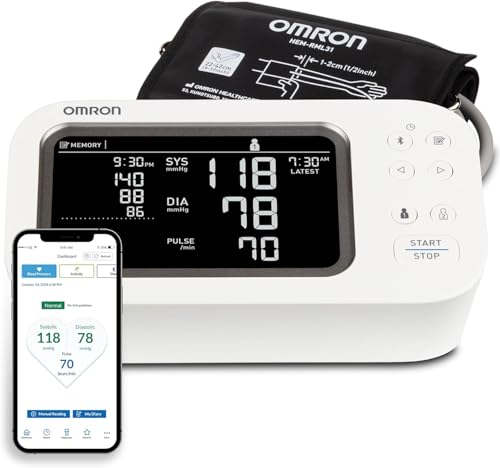
OMRON Platinum Blood Pressure Monitor for Home Use & Upper Arm Blood Pressure Cuff - #1 Doctor & Pharmacist Recommended Brand - Clinically Validated - AFib Detection - Connect App
CONFIDENCE IN EVERY READING: Monitor your heart health with the OMRON Platinum Upper Arm Blood Pressure Monitor's <strong>Advanced Accuracy with AFib Detection Technology</strong>; Store up to 10

Nordic Naturals Ultimate Omega, Lemon Flavor - 180 Soft Gels - 1280 mg Omega-3 - High-Potency Fish Oil with EPA & DHA - Promotes Brain & Heart Health - Non-GMO - 90 Servings
Buy Nordic Naturals Ultimate Omega, Lemon Flavor - 180 Soft Gels - 1280 mg Omega-3 - High-Potency Fish Oil with EPA & DHA - Promotes Brain & Heart Health - Non-GMO - 90 Servings on Amazon.com
Evidence & Sources
Promising research with growing clinical support from multiple studies
- American College of Cardiology/American Heart Association (ACC/AHA) Guidelines on Cardiovascular Risk Assessment
- American Society of Echocardiography Consensus Statement on Carotid Intima-Media Thickness
- Mannheim Carotid Intima-Media Thickness and Plaque Consensus
- Atherosclerosis
- Stroke
- Journal of the American College of Cardiology
- European Heart Journal
- National Institutes of Health (NIH)
- National Center for Complementary and Integrative Health (NCCIH)
This content is for informational purposes only and does not constitute medical advice. Always consult a qualified healthcare provider before starting, stopping, or changing any supplement or medication regimen.