

Candida Antibody Testing
Also known as: Candida Test, Candida IgG, Candida IgA, Candida IgM
Overview
Candida antibody testing is a laboratory assessment that measures immune responses—most commonly IgG, IgM, and sometimes IgA antibodies—directed against Candida species, especially Candida albicans. Candida is a type of yeast that commonly lives on the skin, in the mouth, gastrointestinal tract, and vaginal tract as part of the normal human microbiome. Because exposure to Candida is common, antibody findings can be complex to interpret: a positive result may reflect prior exposure, colonization, immune activation, or, in certain clinical settings, invasive or systemic fungal infection.
This testing is sometimes discussed in both conventional infectious disease workups and broader integrative or alternative medicine evaluations of suspected “yeast overgrowth.” People may encounter the test while exploring recurrent vaginal yeast infections, oral thrush, chronic digestive complaints, fatigue, skin symptoms, or immune-related concerns. However, the meaning of Candida antibody results depends heavily on the clinical context, the person’s immune status, the specific antibody class measured, and whether other diagnostic methods—such as fungal cultures, antigen testing, PCR, imaging, or direct examination—are also being used.
In mainstream medicine, Candida antibody testing has a limited and selective role. It is not generally considered a stand-alone test for routine digestive symptoms or nonspecific chronic complaints. Studies and clinical guidelines indicate that diagnosing invasive candidiasis can be difficult, and serologic antibody tests have historically shown variable sensitivity and specificity. This means false positives and false negatives can occur, particularly because many healthy people have already been exposed to Candida and may carry detectable antibodies.
In integrative health settings, Candida antibody testing is sometimes framed as part of a larger picture involving microbiome imbalance, mucosal health, antibiotic exposure, sugar intake, immune resilience, or recurrent fungal susceptibility. Traditional systems of medicine do not typically use antibody testing itself, but they may interpret recurrent yeast-related symptoms through broader patterns of imbalance. Across all perspectives, a central theme is that test results alone rarely define the diagnosis, and interpretation is generally strongest when paired with symptom history, physical findings, and appropriate medical evaluation.
Medical Perspectives
Two Ways of Seeing Health

Western
scientific · clinical
Western medicine applies science, technology, and clinical experience to treat symptoms through testing, diagnosis, and targeted intervention.

Eastern
traditional · alternative
Eastern medicine focuses on treating the body naturally by applying traditional knowledge practiced for thousands of years, emphasizing balance and whole-person wellness.
Gold Bamboo presents both perspectives side-by-side so you can make informed decisions. We don't advocate for one over the other — your health choices are yours.
Western Medicine Perspective
Western Medicine Perspective
From a conventional medical standpoint, Candida exists on a spectrum from normal colonization to superficial infection to invasive disease. Common superficial infections include vulvovaginal candidiasis, oral candidiasis, intertrigo, and diaper rash, while invasive candidiasis is a serious condition seen more often in hospitalized or immunocompromised patients. In these higher-risk settings, clinicians often rely on a combination of blood cultures, beta-D-glucan testing, mannan antigen/anti-mannan antibody assays, imaging, histopathology, and clinical risk assessment rather than antibody testing alone.
Candida antibody testing has been investigated as a supportive tool, especially in systemic fungal disease, but its utility remains context-dependent. IgM may sometimes suggest more recent immune response, while IgG may reflect past or ongoing exposure; however, these distinctions are not always clinically definitive. Because Candida commonly colonizes humans without causing disease, antibody positivity does not necessarily establish pathogenic overgrowth. Likewise, immunocompromised individuals may not mount a strong antibody response, limiting the test’s reliability in some of the very populations where invasive fungal disease is most important to detect.
For chronic gastrointestinal symptoms, fatigue, brain fog, or generalized “yeast syndrome,” conventional medicine generally regards Candida antibody testing as insufficiently validated as a diagnostic marker on its own. Major infectious disease guidance emphasizes targeted testing based on specific symptoms, host risk factors, and objective evidence of infection. As a result, western clinicians typically interpret Candida antibodies cautiously and may view them as an adjunctive data point rather than a definitive answer.
Eastern & Traditional Perspective
Eastern and Traditional Medicine Perspective
Traditional systems such as Traditional Chinese Medicine (TCM) and Ayurveda do not historically diagnose illness through Candida antibody assays, but they may consider recurrent yeast-related symptoms within broader functional patterns. In TCM, presentations involving dampness, heat, digestive sluggishness, itching, discharge, or recurrent mucosal irritation may be understood through concepts such as damp-heat, spleen qi deficiency, or imbalance affecting the lower burner. The focus is generally less on identifying a single organism through laboratory immunology and more on recognizing the body terrain in which recurring symptoms arise.
In Ayurveda, chronic fungal or yeast-like tendencies may be discussed in relation to agni (digestive/metabolic fire), ama (accumulated metabolic byproducts), and imbalances involving Kapha and Pitta, depending on the symptom pattern. Naturopathic and integrative frameworks may also emphasize gut ecology, mucosal integrity, dietary patterns, stress, prior antibiotic exposure, and host susceptibility. Within these models, a Candida antibody result may be viewed as one possible indicator of immune engagement rather than a complete explanation for symptoms.
An important distinction is that traditional medicine often prioritizes pattern differentiation over laboratory confirmation, whereas antibody testing reflects a modern biomedical attempt to quantify immune recognition. Integrative practitioners who use such testing may combine it with symptom inventories, stool or microbiome assessments, dietary history, and broader constitutional evaluation. Even within these circles, interpretations vary, and the evidence base for linking antibody levels to nonspecific chronic symptom clusters remains limited. Consultation with qualified healthcare professionals is important when laboratory and symptom-based frameworks appear to conflict.
Supplements & Products
Recommended Products

The Candida Cure Cookbook: Delicious Recipes to Reset Your Health and Restore Your Vitality: Boroch, Ann
The Candida Cure Cookbook is <strong>filled with the recipes, resources, and tips you need to take control of one of the most important yet overlooked obstacles to optimal health: candida, or yeast, o
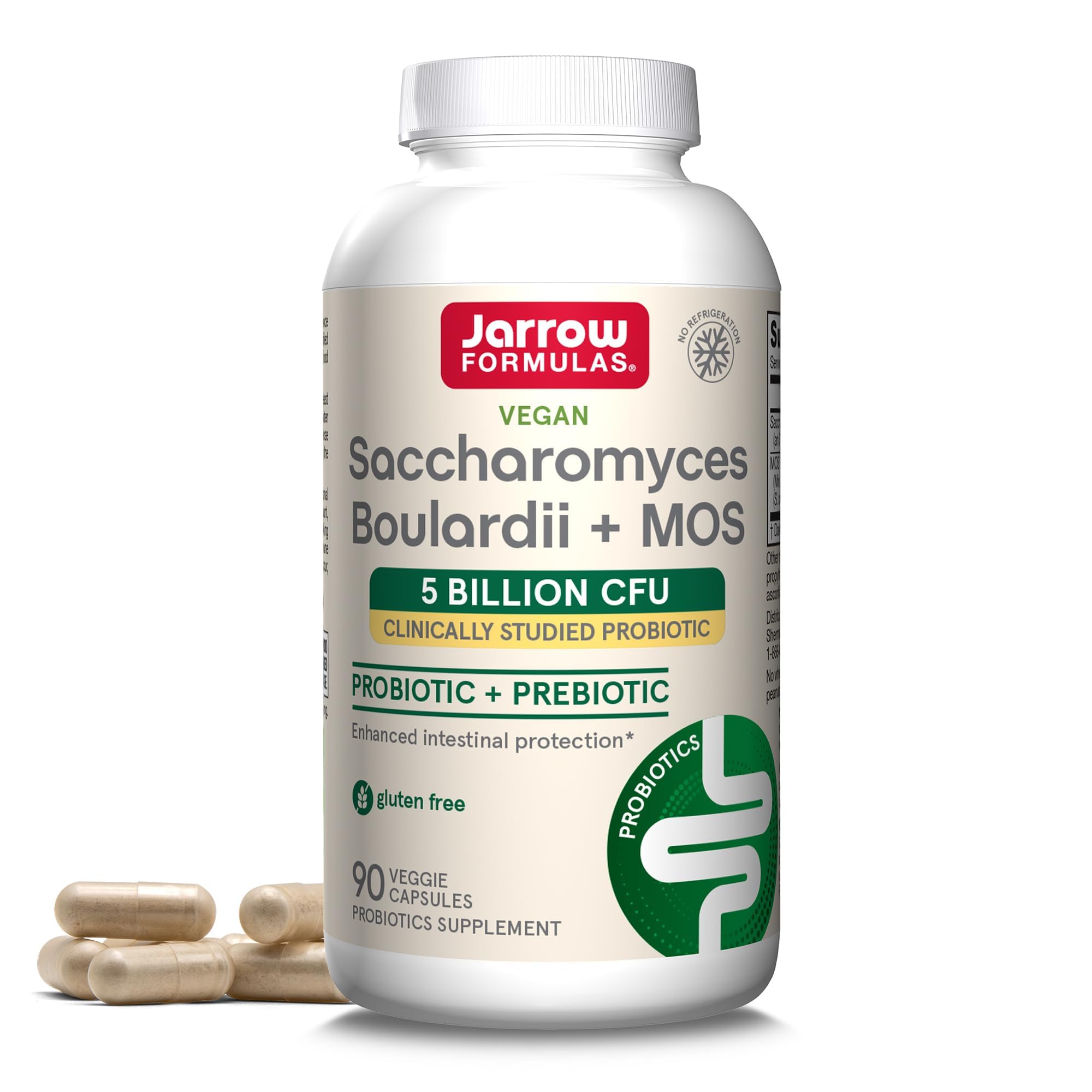
Jarrow Formulas, Saccharomyces Boulardii MOS, 90 Count
Jarrow Formulas Saccharomyces Boulardii + MOS Probiotics for Digestive Health and Intestinal Tract Support - 5 Billion CFU Per Serving - 90 Delayed Release Caps - Probiotic + Prebiotic - 90 Servings

Jarrow Formulas Fem-Dophilus - 1 Billion Organisms Per Serving - 60 Veggie Capsules - Women’s Probiotic - Urinary Tract Health - Up to 60 Servings
GR 1 & RC 14 Fem Dophilus <strong>contains two clinically documented probiotic lactobacilli strains, GR 1 & RC 14.</strong>
Evidence & Sources
Promising research with growing clinical support from multiple studies
- Infectious Diseases Society of America (IDSA) Clinical Practice Guideline for the Management of Candidiasis
- Centers for Disease Control and Prevention (CDC) – Candidiasis
- National Institute of Allergy and Infectious Diseases (NIAID)
- National Center for Biotechnology Information (NCBI Bookshelf) – Candida Infections
- Clinical Microbiology Reviews
- Clinical Infectious Diseases
- Journal of Clinical Microbiology
- National Center for Complementary and Integrative Health (NCCIH)
This content is for informational purposes only and does not constitute medical advice. Always consult a qualified healthcare provider before starting, stopping, or changing any supplement or medication regimen.