

Blood Pressure Monitoring
Also known as: BP Monitoring, Blood Pressure Check, Ambulatory Blood Pressure
Overview
Blood pressure monitoring is the measurement and tracking of the force of blood pushing against artery walls as the heart beats and relaxes. It is typically reported as systolic pressure over diastolic pressure, expressed in millimeters of mercury (mm Hg). As a health topic, blood pressure monitoring is foundational because elevated, low, or highly variable readings can reflect broader changes in cardiovascular function, kidney health, autonomic nervous system activity, endocrine balance, and overall metabolic status.
Blood pressure is not static. It changes throughout the day in response to physical activity, emotional stress, sleep, hydration status, meals, medications, pain, and underlying medical conditions. For that reason, a single office reading may not fully capture a person’s usual blood pressure pattern. Modern monitoring approaches include clinic-based measurements, home blood pressure monitoring, ambulatory 24-hour monitoring, and increasingly, wearable or digital tracking tools. These methods are used not only to identify possible hypertension, but also to evaluate white-coat effects, masked hypertension, treatment response, and day-night blood pressure variation.
From a public health standpoint, blood pressure monitoring has major significance because high blood pressure is one of the most important modifiable risk factors for heart attack, stroke, heart failure, chronic kidney disease, and vascular complications. Low blood pressure and abnormal fluctuations may also be clinically meaningful, particularly in older adults, people with autonomic dysfunction, or those experiencing dehydration, blood loss, medication effects, or endocrine disorders. Research consistently suggests that regular and accurate monitoring improves recognition of abnormal patterns and supports earlier clinical evaluation.
In integrative health settings, blood pressure monitoring is often viewed as more than a cardiovascular number alone. It may be considered alongside stress physiology, sleep quality, breathing patterns, inflammation, nutrition, physical conditioning, and nervous system regulation. This broader perspective does not replace conventional interpretation; rather, it places blood pressure within a wider context of whole-person health. Because readings can be influenced by technique and circumstance, healthcare providers generally emphasize proper measurement conditions and interpretation over time rather than relying on isolated values.
Medical Perspectives
Two Ways of Seeing Health

Western
scientific · clinical
Western medicine applies science, technology, and clinical experience to treat symptoms through testing, diagnosis, and targeted intervention.

Eastern
traditional · alternative
Eastern medicine focuses on treating the body naturally by applying traditional knowledge practiced for thousands of years, emphasizing balance and whole-person wellness.
Gold Bamboo presents both perspectives side-by-side so you can make informed decisions. We don't advocate for one over the other — your health choices are yours.
Western Medicine Perspective
Western Medicine Perspective
In conventional medicine, blood pressure monitoring is a core diagnostic and management tool used to screen for hypertension, assess cardiovascular risk, and monitor response to medical or lifestyle interventions. Clinical guidelines from major organizations such as the American Heart Association, American College of Cardiology, and international hypertension societies emphasize standardized measurement technique because small errors in cuff size, body position, rest period, or timing can meaningfully alter results. Repeated measurements taken on separate occasions are often used to improve accuracy, and ambulatory blood pressure monitoring (ABPM) or home blood pressure monitoring (HBPM) may help confirm whether elevated office readings reflect sustained hypertension.
Western medicine recognizes several important blood pressure patterns. These include sustained hypertension, white-coat hypertension, masked hypertension, orthostatic hypotension, nocturnal non-dipping, and excessive variability. Each may carry different implications for cardiovascular and renal risk. ABPM is often considered the reference standard for evaluating 24-hour blood pressure behavior, especially when clinicians are trying to distinguish temporary stress-related elevation from a more consistent pattern. Home monitoring is also widely studied and is associated with improved detection and follow-up of hypertension when used with clinical oversight.
From a pathophysiologic standpoint, abnormal blood pressure can arise from interactions among the heart, blood vessels, kidneys, autonomic nervous system, endocrine system, and fluid-electrolyte balance. Conventional evaluation may consider factors such as age, family history, obesity, sodium intake, sleep apnea, diabetes, chronic kidney disease, medications, alcohol use, and secondary endocrine causes. Blood pressure monitoring therefore functions not only as a screening measure but also as a window into broader systemic health.
Research strongly supports blood pressure monitoring as a meaningful predictor of long-term outcomes. Studies indicate that more accurate out-of-office measurements can correlate better than office readings alone with risks such as stroke, heart failure, kidney disease progression, and cardiovascular mortality. In clinical practice, interpretation is generally individualized, with healthcare professionals considering average readings, symptom patterns, comorbidities, and the context in which measurements were obtained.
Eastern & Traditional Perspective
Eastern / Traditional Medicine Perspective
In Traditional Chinese Medicine (TCM), blood pressure as a numeric metric is a modern biomedical measurement rather than a classical diagnostic category. However, symptoms and constitutions associated with high or unstable blood pressure may be interpreted through patterns such as Liver yang rising, Liver fire, phlegm-damp accumulation, yin deficiency, blood stasis, or Kidney imbalance. Low blood pressure, dizziness, or fatigue may be viewed through other patterns, including qi deficiency, blood deficiency, or yang deficiency. In this framework, monitoring blood pressure can be used alongside traditional assessment methods such as pulse diagnosis, tongue observation, sleep patterns, emotional state, and digestive function to understand the whole-person picture.
In Ayurveda, blood pressure abnormalities are often interpreted through disturbances in Vata, Pitta, and Kapha, as well as through the health of the circulatory channels and the body’s stress response. Elevated pressure may be discussed in relation to aggravated Vata, Pitta heat, tension, overstimulation, poor digestion, or metabolic imbalance, while low pressure may be associated with depletion, weak circulation, or constitutional factors. Blood pressure monitoring can therefore serve as a modern data point that complements traditional observations about resilience, stress load, sleep quality, and daily rhythms.
Naturopathic and other integrative traditions commonly place emphasis on the factors that may influence blood pressure regulation over time, including dietary patterns, movement, breathing, sleep, stimulant use, alcohol exposure, emotional stress, and autonomic balance. These systems often regard blood pressure variability as a reflection of wider regulatory function rather than an isolated vascular issue. Research on mind-body approaches such as meditation, slow breathing, yoga, and stress reduction suggests possible effects on blood pressure in some populations, although the quality and magnitude of evidence vary across modalities.
Across traditional systems, blood pressure monitoring is generally viewed as useful but incomplete on its own. A central theme is that the number gains meaning when interpreted within a broader pattern of symptoms, constitution, environment, and lifestyle. Integrative practitioners typically frame monitoring as one component of ongoing assessment, while recognizing that persistent abnormal readings warrant evaluation within conventional medical frameworks because of the well-established risks associated with hypertension and hypotension.
Supplements & Products
Recommended Products
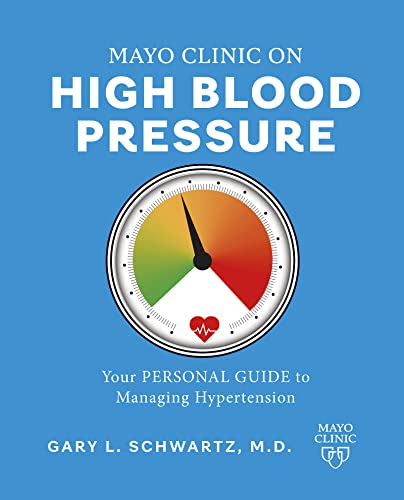
Mayo Clinic on High Blood Pressure: Your personal guide to managing hypertension: Schwartz M.D., Gary L.
Mayo Clinic on High Blood Pressure <strong>offers information and tools to help you keep blood pressure from building to dangerous levels</strong>. By taking specific steps, you can live well with hig
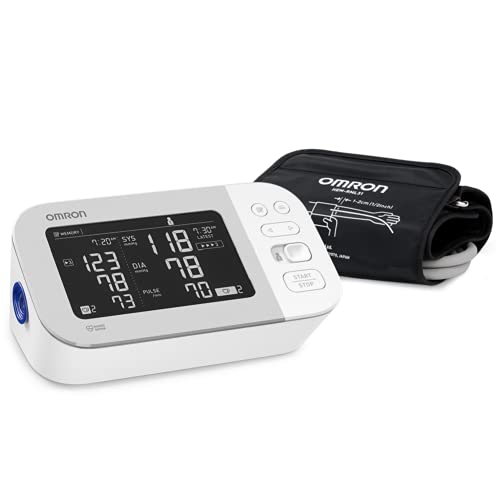
OMRON Platinum Blood Pressure Monitor, Upper Arm Cuff, Digital Bluetooth Blood Pressure Machine, Stores Up To 200 Readings for Two Users (100 readings each) : Everything Else
Buy OMRON Platinum Blood Pressure Monitor, Upper Arm Cuff, Digital Bluetooth Blood Pressure Machine, Stores Up To 200 Readings for Two Users (100 readings each) on Amazon.com ✓ FREE SHIPPING on qualif
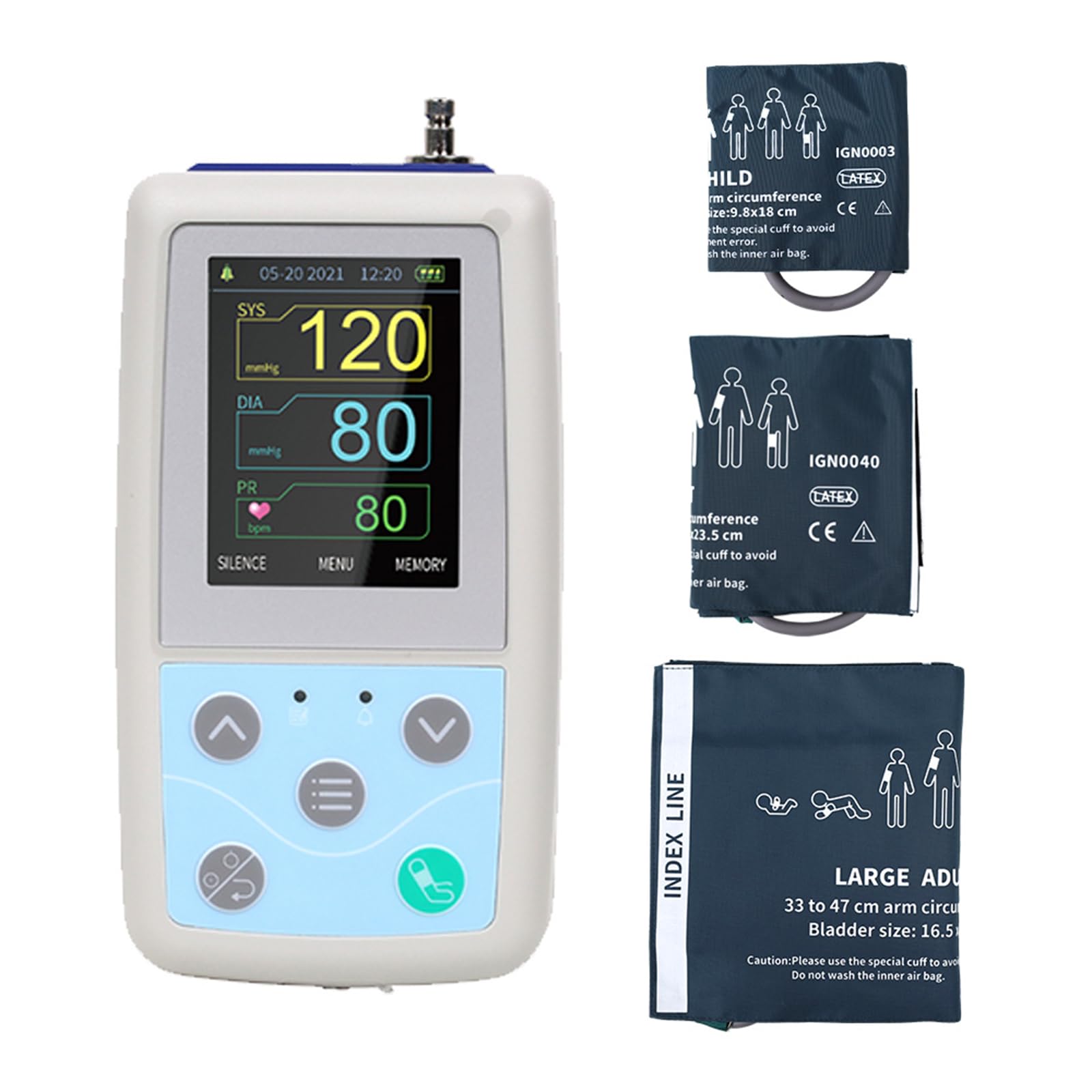
CONTEC ABPM50 Handheld 24hours Ambulatory Blood Pressure Monitor with PC Software for Continuous Monitoring NIBP USB Port with Three Cuffs
ABPM50 is a handheld automatic blood pressure monitor, which is designed according to oscillography theory. <strong>The device could monitor human body blood pressure up to 24 hours continuously and d
Evidence & Sources
Supported by multiple clinical trials and systematic reviews
- American Heart Association
- American College of Cardiology/American Heart Association Hypertension Guideline
- European Society of Hypertension
- U.S. Preventive Services Task Force
- National Heart, Lung, and Blood Institute (NHLBI)
- World Health Organization
- Hypertension
- Journal of the American Medical Association (JAMA)
- The Lancet
- National Center for Complementary and Integrative Health (NCCIH)
This content is for informational purposes only and does not constitute medical advice. Always consult a qualified healthcare provider before starting, stopping, or changing any supplement or medication regimen.