

Advanced Lipid Testing
Also known as: Advanced Lipid Panel, Lipoprotein Particle Testing, NMR Lipoprofile, Cardio IQ Lipid Panel
Overview
Advanced lipid testing refers to a group of laboratory assessments that go beyond the standard lipid panel. While a conventional panel typically reports total cholesterol, LDL cholesterol (LDL-C), HDL cholesterol (HDL-C), and triglycerides, advanced testing may also evaluate lipoprotein particle number, particle size and density, apolipoprotein B (ApoB), lipoprotein(a) [Lp(a)], and related markers associated with cardiovascular and metabolic risk. These tests are often discussed in preventive cardiology, functional medicine, and precision medicine because they can reveal risk patterns that are not always apparent from standard cholesterol values alone.
Interest in advanced lipid testing has grown alongside the understanding that atherosclerotic cardiovascular disease (ASCVD) is influenced not only by how much cholesterol is present in the bloodstream, but also by how that cholesterol is carried, how many atherogenic particles are circulating, and whether inherited or metabolic factors are contributing to risk. For example, some individuals have a normal LDL-C but an elevated ApoB or LDL particle number, suggesting a higher burden of cholesterol-carrying particles than the basic lipid panel indicates. Others may have elevated Lp(a), a largely genetic lipoprotein linked to increased cardiovascular risk even when routine cholesterol values appear acceptable.
Advanced lipid testing is often considered in contexts such as strong family history of early heart disease, metabolic syndrome, insulin resistance, diabetes, premature cardiovascular events, or persistent uncertainty after standard testing. Research suggests that certain advanced markers, especially ApoB and Lp(a), may improve risk stratification in selected populations. At the same time, not every advanced marker has equal clinical value, and not all tests are routinely recommended for the general population.
A balanced interpretation is important. These tests can provide a more nuanced view of cardiometabolic health, but their meaning depends on the broader clinical picture, including blood pressure, glucose regulation, inflammation, lifestyle factors, genetics, and overall cardiovascular history. As with any laboratory evaluation, results are best interpreted with a qualified healthcare professional who can place them in appropriate context.
Medical Perspectives
Two Ways of Seeing Health

Western
scientific · clinical
Western medicine applies science, technology, and clinical experience to treat symptoms through testing, diagnosis, and targeted intervention.

Eastern
traditional · alternative
Eastern medicine focuses on treating the body naturally by applying traditional knowledge practiced for thousands of years, emphasizing balance and whole-person wellness.
Gold Bamboo presents both perspectives side-by-side so you can make informed decisions. We don't advocate for one over the other — your health choices are yours.
Western Medicine Perspective
Western Medicine Perspective
From a conventional medicine standpoint, advanced lipid testing is primarily viewed as a risk-assessment tool rather than a diagnosis in itself. Standard lipid testing remains the foundation of cardiovascular screening, and major guidelines continue to rely heavily on LDL-C, non-HDL cholesterol, and overall ASCVD risk calculation. However, several professional organizations acknowledge that additional markers may be useful in selected patients, particularly when risk is uncertain or appears discordant with the standard lipid panel.
Among advanced markers, ApoB and Lp(a) have received some of the strongest support. ApoB reflects the total number of potentially atherogenic lipoprotein particles, including LDL and related particles, and studies indicate it may better capture risk than LDL-C in people with insulin resistance, obesity, or elevated triglycerides. Lp(a), by contrast, is largely genetically determined and has been associated with increased risk of coronary artery disease, stroke, and aortic valve disease. Many contemporary guidelines recognize Lp(a) as a useful once-in-a-lifetime or targeted measurement in individuals with family history or unexplained premature cardiovascular disease.
Other advanced measures, such as LDL particle number (LDL-P), small dense LDL, and nuclear magnetic resonance (NMR)-based particle analysis, are more debated. Research suggests these tests can identify lipid discordance and may correlate with cardiometabolic risk, but their added value over ApoB, non-HDL cholesterol, and standard risk assessment is less consistently established. For this reason, conventional medicine often treats them as optional or situational rather than universally necessary.
Overall, the western approach emphasizes evidence hierarchy, standardization, and clinical utility. Advanced lipid testing may refine risk prediction, but it does not replace established prevention frameworks. Interpretation typically considers whether test results meaningfully change risk categorization or management discussions, and clinicians generally weigh these findings alongside family history, inflammatory status, metabolic health, imaging when appropriate, and other validated cardiovascular markers.
Eastern & Traditional Perspective
Eastern/Traditional Medicine Perspective
Traditional systems such as Traditional Chinese Medicine (TCM) and Ayurveda do not historically categorize cardiovascular risk using modern concepts like LDL particle number or ApoB. Instead, they interpret metabolic and circulatory imbalance through broader functional patterns. In TCM, lipid abnormalities and vascular risk may be discussed in relation to patterns such as phlegm-damp accumulation, blood stasis, spleen deficiency, or liver qi stagnation, depending on the individual presentation. From this perspective, advanced lipid testing may be seen as a modern diagnostic window into deeper systemic imbalance rather than as a standalone determinant of health.
In Ayurveda, cardiometabolic disturbances may be interpreted through the lens of dosha imbalance, impaired agni (digestive/metabolic fire), and accumulation of ama (metabolic waste or toxic residue). People with patterns resembling sluggish metabolism, weight gain, inflammation, or vascular congestion may be understood as having disturbances involving kapha, meda dhatu (fat tissue metabolism), or impaired tissue transport. Advanced lipid markers could therefore be viewed as contemporary correlates of broader metabolic disharmony rather than isolated laboratory abnormalities.
Naturopathic and integrative practitioners often bridge eastern and western frameworks by using advanced lipid testing to explore root-cause patterns such as inflammation, blood sugar dysregulation, stress physiology, inherited susceptibility, and dietary response variability. In these settings, markers like ApoB or Lp(a) may be discussed alongside digestive health, sleep, movement, stress burden, and constitutional tendencies. This approach tends to emphasize systems biology and personalization, though research support varies depending on the marker and the broader care model.
Traditional medicine perspectives generally place less emphasis on any single numerical value and more on the overall pattern of imbalance. While these frameworks can provide meaningful context for lifestyle and constitutional interpretation, they are not substitutes for evidence-based cardiovascular evaluation. Integrative assessment is most credible when traditional pattern recognition is considered alongside modern laboratory science and appropriate medical oversight.
Supplements & Products
Recommended Products

Clinical Lipidology: A Companion to Braunwald's Heart Disease: Expert Consult: Online and Print: Ballantyne MD FACP FACC, Christie M.
Dr. Ballantyne―one of the foremost lipid experts in the world and recruited by Dr. Braunwald’s Heart Disease editorial team―together with a stellar cast of contributors provides all of the scientific
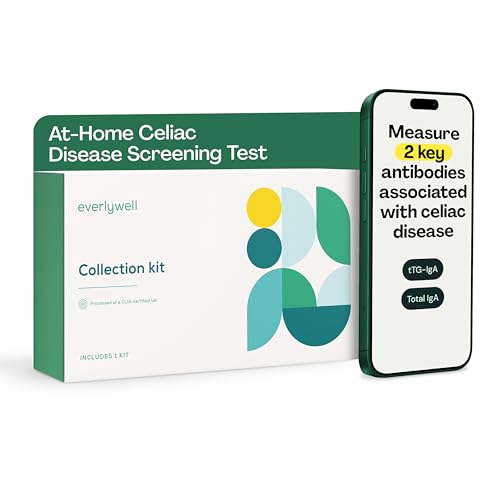
Everlywell At
Buy Everlywell At-Home Cholesterol and Lipids Lab Test Collection Kit for Women and Men, Measures HDL, LDL and Triglycerides for Accurate Results from a CLIA-Certified Lab Within Days, for Ages 18 Plu

LetsGetChecked - At
Buy LetsGetChecked - At-Home Diabetes & Heart Test | Monitor Cholesterol Levels & Check Your Diabetes Status | CLIA-Certified Results in 2-5 Days | Accurate and Fast Testing on Amazon.com ✓ FR
Evidence & Sources
Promising research with growing clinical support from multiple studies
- American Heart Association (AHA) Scientific Statements
- American College of Cardiology (ACC) Expert Consensus and Guidelines
- National Lipid Association (NLA) Recommendations
- European Society of Cardiology (ESC) Guidelines
- Journal of the American College of Cardiology
- Circulation
- Atherosclerosis
- National Institutes of Health (NIH)
- National Center for Complementary and Integrative Health (NCCIH)
- World Health Organization (WHO)
This content is for informational purposes only and does not constitute medical advice. Always consult a qualified healthcare provider before starting, stopping, or changing any supplement or medication regimen.