

Nicotinamide Adenine Dinucleotide
Also known as: NAD+, NMN, NAD+/NMN
Overview
NAD+ (nicotinamide adenine dinucleotide) is a coenzyme found in every living cell and is central to how the body produces energy, repairs DNA, and regulates cellular signaling. NMN (nicotinamide mononucleotide) is a precursor molecule that the body can use to help synthesize NAD+. Interest in NAD+/NMN has grown rapidly in longevity and metabolic health research because NAD+ levels appear to decline with age and in some chronic disease states. This has led to widespread discussion of whether raising NAD+ through precursor supplements such as NMN or related compounds may support healthy aging.
In biology, NAD+ plays a key role in mitochondrial energy production, redox reactions, and the activity of enzymes such as sirtuins, PARPs, and CD38, all of which are involved in stress responses, DNA repair, inflammation, and cellular maintenance. Preclinical studies suggest that restoring NAD+ availability may influence metabolic function, vascular health, neuroprotection, and resilience to cellular stress. However, much of the enthusiasm in the public sphere has moved faster than the clinical evidence in humans.
From a supplement perspective, NMN is usually discussed alongside other NAD+ precursors, especially nicotinamide riboside (NR) and forms of vitamin B3. A key scientific question is not only whether oral NMN increases circulating NAD+ metabolites, but also whether this translates into meaningful improvements in health outcomes such as physical function, insulin sensitivity, cognitive performance, or markers of biological aging. Early human studies suggest that NMN can raise NAD-related metabolites and may affect some metabolic or functional markers, but findings remain mixed and often come from small, short-term trials.
Safety discussions also remain important. Short-term studies have generally reported that NMN is reasonably well tolerated in research settings, but long-term safety, optimal dosing ranges, product quality, regulatory status, and interactions with underlying medical conditions remain areas of ongoing evaluation. As with many longevity-focused supplements, the strongest conclusions currently come from basic science and animal models rather than large, definitive human trials, so healthcare-provider guidance remains important when interpreting claims.
Medical Perspectives
Two Ways of Seeing Health

Western
scientific · clinical
Western medicine applies science, technology, and clinical experience to treat symptoms through testing, diagnosis, and targeted intervention.

Eastern
traditional · alternative
Eastern medicine focuses on treating the body naturally by applying traditional knowledge practiced for thousands of years, emphasizing balance and whole-person wellness.
Gold Bamboo presents both perspectives side-by-side so you can make informed decisions. We don't advocate for one over the other — your health choices are yours.
Western Medicine Perspective
Western Medicine Perspective
In conventional medicine and biomedical research, NAD+ is understood as a foundational metabolic cofactor rather than a drug in itself. Interest in NMN centers on its potential to increase intracellular NAD+ and thereby influence pathways involved in aging biology, metabolism, inflammation, vascular function, and DNA repair. Research has shown age-associated declines in tissue NAD+ in animal models, and mechanistic studies suggest that replenishing NAD+ may modify mitochondrial function, insulin signaling, endothelial performance, and cellular stress responses.
Human evidence is promising but still limited. Early clinical studies indicate that oral NMN may increase blood NAD+ metabolites and may have modest effects on measures such as insulin sensitivity, muscle performance, fatigue-related endpoints, or aerobic capacity in selected populations. However, these studies are generally small, of limited duration, and use varying formulations and outcome measures. At present, there is not enough high-quality evidence for mainstream medicine to treat NMN as an established intervention for aging, chronic disease prevention, or disease treatment. Much of the field remains in the phase of translational and early clinical research.
Safety assessments in the published literature have so far been relatively reassuring for short-term use in studied populations, but conventional medicine emphasizes unresolved questions: long-term exposure, effects in cancer biology given NAD+'s role in cell metabolism and DNA repair, potential differences between individuals, and the reliability of commercially available products. Regulatory scrutiny has also increased as NMN has moved from research contexts into consumer markets. From a western perspective, NMN is best understood as a biologically plausible but not yet fully validated supplement, with ongoing research needed before broad clinical conclusions can be made.
Eastern & Traditional Perspective
Eastern/Traditional Medicine Perspective
Traditional medical systems such as Traditional Chinese Medicine (TCM) and Ayurveda do not historically describe NAD+ or NMN as substances in their classical frameworks. Instead, they interpret vitality, aging, fatigue, and resilience through broader functional patterns. In TCM, concerns that overlap with modern interest in NAD+ often relate to concepts such as Kidney essence (Jing), Qi deficiency, and the gradual decline of restorative capacity over time. In Ayurveda, similar themes may be viewed through ojas, tissue nourishment, digestive/metabolic balance, and healthy aging or rasayana principles.
From these perspectives, a compound like NMN would generally not be framed as a stand-alone answer to aging. Rather, traditional systems tend to place it within a larger context of restoring balance, supporting energy, sleep, stress adaptation, digestion, and constitutional resilience. Integrative practitioners may discuss NMN in modern biochemical terms while pairing that discussion with traditional ideas about preserving vitality and reducing the cumulative burden of stress and depletion.
Naturopathic and integrative medicine approaches often serve as a bridge between east and west in this area. These frameworks may view NAD+ support as part of a broader strategy related to mitochondrial health, healthy aging, and metabolic resilience, while also emphasizing nutrition, circadian regulation, movement, and individualized assessment. The traditional evidence base for NMN itself is limited because it is a modern molecule in supplement practice; its use in eastern-informed care is therefore mostly interpretive and integrative, rather than rooted in longstanding classical use.
Supplements & Products
Recommended Products

Lifespan: Why We Age―and Why We Don't Have To: Sinclair, David, LaPlante, Matthew D.
But what if everything we’ve ... Dr. David Sinclair, leading world authority on genetics and longevity, <strong>reveals a bold new theory for why we age</strong>....
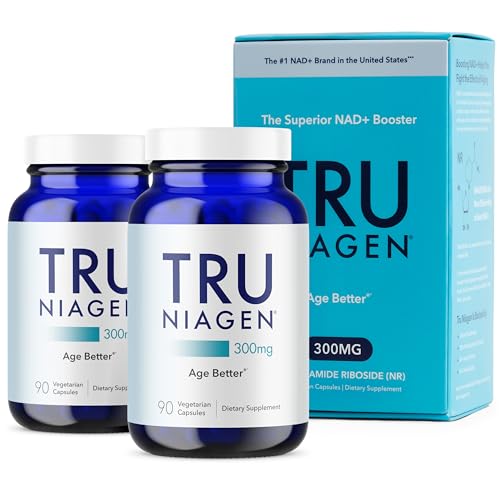
TRU NIAGEN Patented NAD Supplement for Brain Function, Anti Aging & Cell Regeneration, 300mg Niagen, 30 Servings | Supports Cellular Energy, Muscle | Nicotinamide Riboside (NR) Take 1 Daily | 1 Bottle
Buy TRU NIAGEN Patented NAD Supplement for Brain Function, Anti Aging & Cell Regeneration, 300mg Niagen, 30 Servings | Supports Cellular Energy, Muscle | Nicotinamide Riboside (NR) Take 1 Daily |
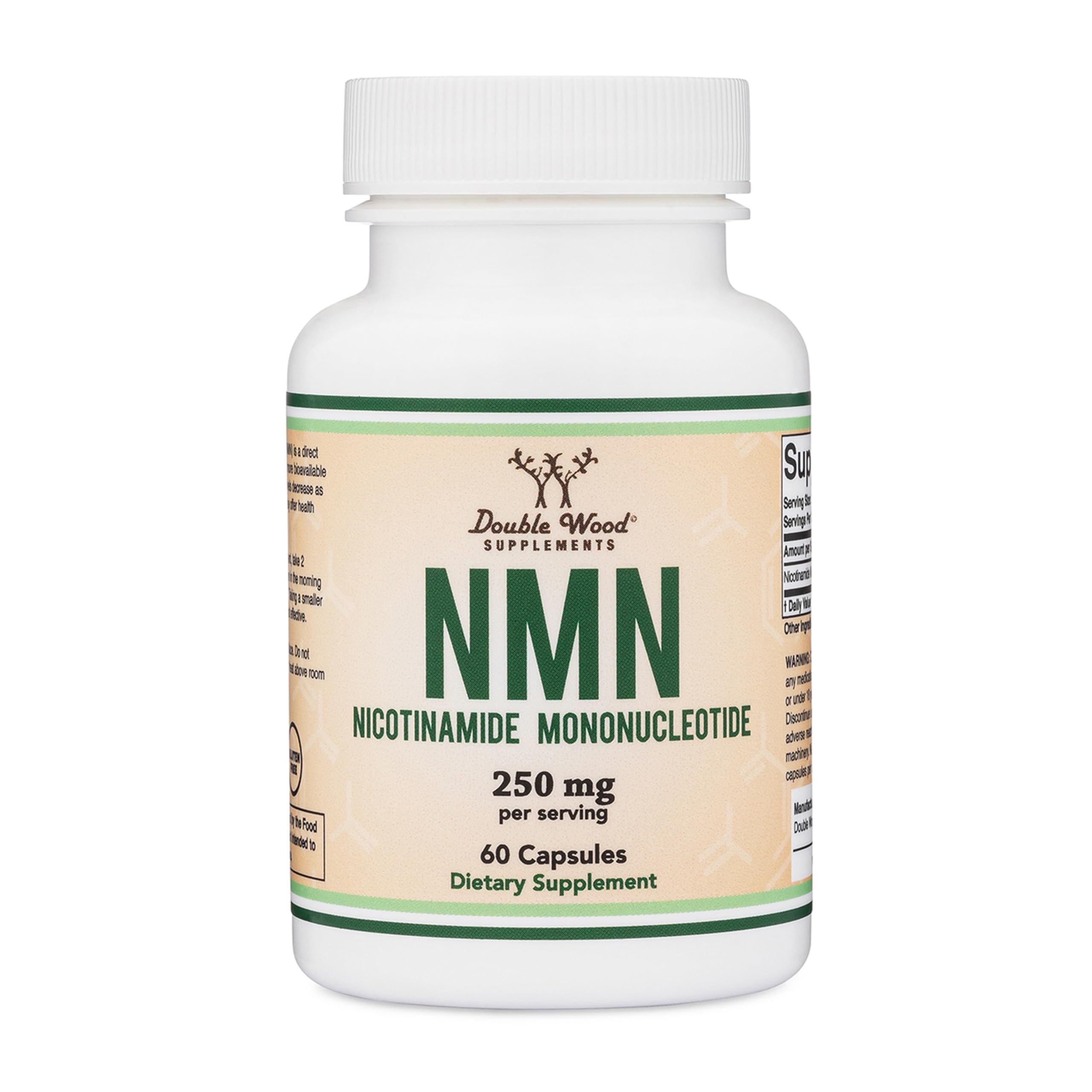
Double Wood Supplements NMN (Nicotinamide Mononucleotide) 250mg, 60 Capsules - 30 Servings, Gluten Free
NMNH (NMN Supplement Alternative) Only Clinically Studied Ingredient - <strong>Boosts NAD+ Levels for Anti Aging and Cell Regeneration</strong> by Double Wood · Renue By Science NMN Supplement | 90 Li
Evidence & Sources
Early-stage research, mostly preclinical or preliminary human studies
- Nature
- Science
- Cell Metabolism
- Nature Communications
- npj Aging
- National Institutes of Health (NIH)
- National Center for Complementary and Integrative Health (NCCIH)
- Frontiers in Aging
- The Lancet Healthy Longevity
This content is for informational purposes only and does not constitute medical advice. Always consult a qualified healthcare provider before starting, stopping, or changing any supplement or medication regimen.