

Zeaxanthin
Also known as: Meso-Zeaxanthin, Zeaxanthine
Zeaxanthin Overview
Zeaxanthin is a dietary carotenoid pigment found in foods such as corn, orange peppers, egg yolks, and dark leafy greens. Along with lutein and meso-zeaxanthin, it is one of the primary pigments concentrated in the macula, the central part of the retina responsible for detailed vision. Because of this unique localization, zeaxanthin is widely discussed in relation to eye health, retinal protection, and visual performance, especially in aging populations and in people interested in support for modern screen exposure.
From a biological standpoint, zeaxanthin functions as an antioxidant and a blue-light filtering pigment in ocular tissues. Research suggests it may help reduce oxidative stress in the retina, where light exposure and high metabolic activity can contribute to cumulative damage over time. Interest in zeaxanthin has therefore centered on its role in age-related macular degeneration (AMD), visual function, glare recovery, and contrast sensitivity. It is often studied together with lutein because the two carotenoids work in related but not identical ways within the eye.
Zeaxanthin is also relevant beyond ophthalmology. As a carotenoid, it reflects broader themes in nutrition science: the relationship between plant pigments and chronic disease risk, the importance of dietary patterns rich in colorful foods, and the distinction between nutrients obtained from whole foods versus supplements. Although zeaxanthin is best known for visual health, emerging research has explored potential associations with cognitive health and systemic antioxidant status, though these areas remain less established.
In public interest and online search behavior, zeaxanthin is commonly associated with phrases such as "macular support," "retinal wellness," and "screen-related eye strain." However, the strongest evidence base relates more clearly to macular pigment density and age-related eye health than to everyday digital eye discomfort specifically. As with many supplements, the scientific picture is nuanced: conventional research supports a plausible physiologic role, but benefits can vary depending on diet, baseline nutrient status, age, and underlying eye conditions.
Medical Perspectives
Two Ways of Seeing Health

Western
scientific · clinical
Western medicine applies science, technology, and clinical experience to treat symptoms through testing, diagnosis, and targeted intervention.

Eastern
traditional · alternative
Eastern medicine focuses on treating the body naturally by applying traditional knowledge practiced for thousands of years, emphasizing balance and whole-person wellness.
Gold Bamboo presents both perspectives side-by-side so you can make informed decisions. We don't advocate for one over the other — your health choices are yours.
Western Medicine Perspective
Western Medicine Perspective
In conventional medicine, zeaxanthin is understood primarily through the lens of nutritional ophthalmology and retinal biology. The macula contains concentrated carotenoid pigments collectively referred to as macular pigment, with zeaxanthin particularly enriched in the central retina. Studies indicate these pigments may help protect photoreceptor tissues by absorbing short-wavelength visible light and by limiting oxidative damage. This biologic rationale has made zeaxanthin a major focus in research on age-related macular degeneration, one of the leading causes of vision loss in older adults.
The most influential body of evidence comes from observational studies and large clinical research programs examining carotenoids in relation to eye outcomes. In particular, the AREDS2 trial helped shape mainstream understanding of lutein and zeaxanthin in eye-health formulations. Findings supported the inclusion of lutein and zeaxanthin as components relevant to people at risk for progression of certain forms of AMD, especially as alternatives to beta-carotene in some populations. More broadly, research suggests that higher dietary intake or blood levels of zeaxanthin are associated with greater macular pigment optical density, a marker often linked to retinal resilience and visual performance.
Outside AMD, western research has explored whether zeaxanthin may influence contrast sensitivity, glare recovery, and visual processing, including in people with significant screen exposure. Some smaller studies suggest possible benefits in aspects of visual function, but this area remains less definitive than the macular degeneration literature. Conventional medicine generally treats zeaxanthin as a supportive nutrient rather than a stand-alone therapy, and it is not viewed as a replacement for eye exams, management of systemic risk factors, or evidence-based ophthalmic care.
Safety discussions in western medicine typically note that zeaxanthin is a naturally occurring food-derived carotenoid and is generally well tolerated at commonly studied intakes. Even so, clinicians may consider the broader supplement context, including formulation quality, interactions with overall nutrition, and whether someone is using it in response to diagnosed eye disease. For that reason, questions about zeaxanthin are often best interpreted within comprehensive care from an ophthalmologist, optometrist, or other qualified healthcare professional.
Eastern & Traditional Perspective
Eastern and Traditional Medicine Perspective
Traditional medical systems do not typically describe zeaxanthin by its modern biochemical name, but many have long emphasized foods and herbs believed to nourish the eyes, support healthy aging, and protect vision. In Traditional Chinese Medicine (TCM), eye function is often discussed in relation to the Liver system and the nourishment of Blood and Yin. Foods rich in colorful plant pigments, especially yellow-orange and dark green foods, may be viewed as contributing to overall vitality and visual support within a broader pattern-based framework. Rather than isolating one carotenoid, TCM generally focuses on restoring systemic balance through diet, constitution, and herbal strategies tailored to the individual.
In Ayurveda, vision is traditionally associated with Alochaka Pitta, while overall eye comfort may also relate to tissue nourishment and metabolic balance. Brightly colored foods and ghee-based preparations have historically been valued in broader dietary approaches to support ocular health, though classical Ayurvedic texts do not identify zeaxanthin as a discrete therapeutic substance. The emphasis is typically on digestion, assimilation, and whole-food nourishment rather than on single nutrients in isolation.
In naturopathic and integrative medicine, zeaxanthin is more commonly incorporated into a hybrid model that blends modern nutrition science with traditional food-first principles. It is often discussed alongside lutein, bilberry, saffron, omega-3 fats, and antioxidant-rich diets for support of retinal and visual wellness. Practitioners in this space may frame zeaxanthin as part of a broader strategy for reducing oxidative burden and supporting eye tissues, while still recognizing that evidence is strongest for certain retinal outcomes rather than all forms of eye discomfort.
Across eastern and traditional perspectives, a shared theme is that eye health reflects whole-body balance, not just a single nutrient. Sleep, circulation, inflammatory status, stress, aging, and diet quality are all seen as relevant. This systems-based view can complement conventional understanding, though interpretation and use of traditional approaches vary widely and are best discussed with appropriately trained practitioners.
Supplements & Products
Recommended Products
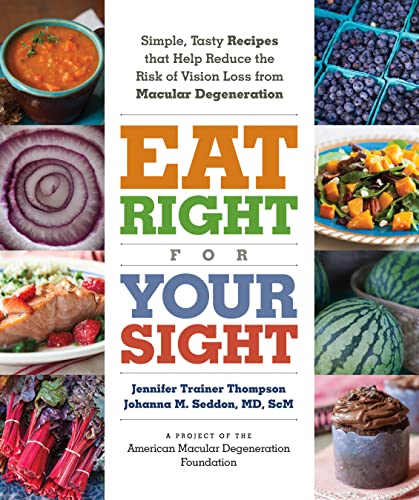
Eat Right for Your Sight: Simple, Tasty Recipes That Help Reduce the Risk of Vision Loss from Macular Degeneration: Thompson, Jennifer Trainer, Seddon MD ScM, Johanna M., The American Macular Degeneration Foundation
Eat Right for Your Sight: <strong>Simple, Tasty Recipes That Help Reduce the Risk of Vision Loss from Macular Degeneration</strong> [Thompson, Jennifer Trainer, Seddon MD ScM, Johanna M., The American

Life Extension MacuGuard Ocular Support with Saffron – Eye Health Supplement for Healthy Vision – with Lutein, Meso-zeaxanthin, zeaxanthin, Saffron – Gluten-Free, Non-GMO – 60 softgels
MacuGuard® proprietary blend 208 mg Marigold extract (Tagetes erecta) (flower) [providing 10 mg lutein, 4 mg meso -zeaxanthin & zeaxanthin], phospholipids, mixed carotenoids [providing 1.24 mg α-c
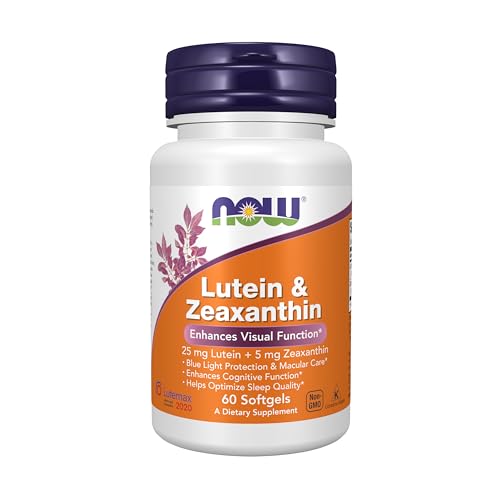
NOW Foods Supplements, Lutein & Zeaxanthin with 25 mg Lutein and 5 mg Zeaxanthin, 60 Softgels
Lutein and Zeaxanthin, Sunflower Oil, Softgel Capsule [Bovine Gelatin (BSE-Free), Glycerin, Water] and Mixed Tocopherols (from Non-GMO Soy Oil). <strong>Take 1 softgel daily with a fat-containing meal
Evidence & Sources
Promising research with growing clinical support from multiple studies
- National Eye Institute (AREDS/AREDS2)
- JAMA Ophthalmology
- American Academy of Ophthalmology
- Nutrients
- Molecules
- National Center for Complementary and Integrative Health (NCCIH)
- Age and Ageing
- Investigative Ophthalmology & Visual Science
This content is for informational purposes only and does not constitute medical advice. Always consult a qualified healthcare provider before starting, stopping, or changing any supplement or medication regimen.