

Vitamin E
Also known as: Tocopherol, Vit E
Overview
Vitamin E is a fat-soluble nutrient and a family of compounds that includes tocopherols and tocotrienols, with alpha-tocopherol recognized as the primary form used by the human body. It is best known for its role as an antioxidant, helping protect cell membranes from oxidative damage caused by free radicals. In human nutrition, vitamin E is considered essential for maintaining normal immune function, supporting cell signaling, and contributing to the integrity of skin and other tissues. Because of these functions, it is often discussed in connection with healthy aging, cardiovascular health, and skin appearance.
Dietary sources include nuts, seeds, vegetable oils, and green leafy vegetables. True vitamin E deficiency is relatively uncommon in the general population, but it can occur in people with fat malabsorption disorders, certain genetic conditions affecting vitamin E transport, or very restricted diets. At the same time, vitamin E supplements are widely used, often in hopes of supporting skin health or reducing oxidative stress. Research suggests that the effects of supplementation may differ depending on whether a person has an actual deficiency, the dose used, and whether vitamin E is consumed from food or isolated in supplement form.
Vitamin E has attracted substantial scientific interest, but findings are mixed. Studies indicate that adequate intake from food is associated with overall health, yet large clinical trials of high-dose supplementation have not consistently shown broad preventive benefits for chronic disease. In some settings, excessive supplemental intake has raised safety concerns, including possible interactions with anticoagulant medications and a potential increase in bleeding risk. As with many nutrients, the distinction between physiologic adequacy and high-dose supplementation is important when evaluating claims.
From a broader integrative health perspective, vitamin E occupies an interesting place because it sits at the intersection of nutritional science, dermatology, immune support, and traditional concepts of tissue nourishment. Conventional medicine primarily evaluates it through biochemical and clinical-outcome data, while traditional systems may frame it more in terms of nourishment, tissue resilience, and balance. A qualified healthcare professional can help interpret vitamin E use in the context of diet, medications, health status, and individual goals.
Medical Perspectives
Two Ways of Seeing Health

Western
scientific · clinical
Western medicine applies science, technology, and clinical experience to treat symptoms through testing, diagnosis, and targeted intervention.

Eastern
traditional · alternative
Eastern medicine focuses on treating the body naturally by applying traditional knowledge practiced for thousands of years, emphasizing balance and whole-person wellness.
Gold Bamboo presents both perspectives side-by-side so you can make informed decisions. We don't advocate for one over the other — your health choices are yours.
Western Medicine Perspective
Western Medicine Perspective
In conventional medicine, vitamin E is understood primarily as a fat-soluble antioxidant nutrient that helps protect polyunsaturated fatty acids within cell membranes from oxidative injury. It also participates in immune regulation, cellular signaling, and gene expression. The clearest established role of vitamin E in modern clinical practice is the prevention and treatment of deficiency, particularly in people with conditions such as cholestatic liver disease, cystic fibrosis, pancreatic insufficiency, abetalipoproteinemia, or other disorders that impair fat absorption or transport.
Research on vitamin E supplementation for chronic disease prevention has produced inconsistent results. Large trials have examined its role in cardiovascular disease, cancer prevention, cognitive decline, and eye health. Some studies suggest benefit in very specific contexts, while others show little effect or raise safety questions at high doses. For example, vitamin E has been studied as part of combination formulations for age-related macular degeneration, and it is also discussed in research on nonalcoholic fatty liver disease and certain dermatologic uses. However, broad claims that supplemental vitamin E prevents major chronic illnesses are not well supported by the totality of evidence.
Safety is an important part of the western framework. High-dose vitamin E supplementation may interfere with vitamin K–dependent clotting pathways and may increase bleeding risk, particularly in people taking warfarin or other anticoagulant/antiplatelet therapies. Some meta-analyses and major prevention trials have also raised concern about adverse outcomes with long-term high-dose use in selected populations. For this reason, conventional medicine generally distinguishes between obtaining vitamin E through a balanced diet and using concentrated supplements, especially at doses far above standard dietary requirements.
Eastern & Traditional Perspective
Eastern and Traditional Medicine Perspective
Traditional East Asian medicine and related systems do not typically describe vitamin E using the modern biochemical language of antioxidants. Instead, its food and supplemental uses are more often interpreted through patterns such as nourishing fluids, supporting blood, and helping maintain the quality of the skin and connective tissues. Foods naturally rich in vitamin E—such as seeds, nuts, and plant oils—may be viewed traditionally as building or moistening substances that contribute to tissue resilience, especially when dryness or depletion is part of the overall pattern.
In Traditional Chinese Medicine (TCM), skin concerns are often understood in relation to the balance of Blood, Yin, Heat, and Dampness, rather than as isolated nutrient issues. From this perspective, a nutrient like vitamin E may be discussed in modern integrative settings as supportive of skin integrity or recovery from environmental stress, but it would not traditionally be seen as a standalone solution. Practitioners generally evaluate broader patterns such as dryness, deficiency, stagnation, or inflammatory heat when considering diet, herbs, and lifestyle.
In Ayurveda, substances with unctuous, nourishing, and tissue-supportive qualities may be associated with support for ojas and for healthy skin, reproductive tissues, and vitality. Vitamin E–containing foods may therefore fit conceptually into a nourishing framework, especially where dryness or tissue depletion is emphasized. Naturopathic and integrative traditions have also used vitamin E in discussions of oxidative stress and skin health, though contemporary practitioners increasingly weigh these uses against modern evidence and safety data. Across these systems, the emphasis is generally on context, constitution, and whole-person balance, rather than on a single nutrient acting in isolation.
Supplements & Products
Recommended Products
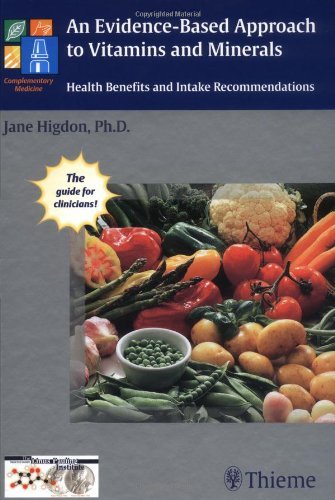
By Jane Ph.D. Higdon An Evidence-Based Approach to Vitamins and Minerals
An Evidence-Based Approach to Vitamins ... edition, <strong>presents the most current scientific, epidemiological and clinical research on the role of vitamins and minerals in preventing disease and p
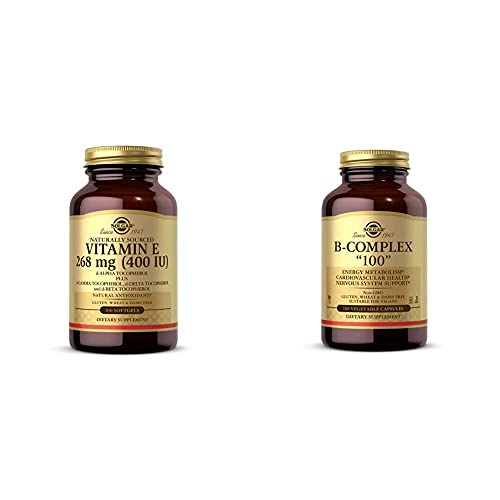
Solgar Vitamin E 268 MG (400 IU) (d-Alpha Tocopherol & Mixed Tocopherols), 100 Softgels - Supports Immune System & Skin Nutrition - Natural Antioxidant - Gluten Free, Dairy Free - 100 Servings : Everything Else
Buy Solgar Vitamin E 268 MG (400 IU) (d-Alpha Tocopherol & Mixed Tocopherols), 100 Softgels - <strong>Supports Immune System & Skin Nutrition - Natural Antioxidant - Gluten Free, Dairy Free -

Sky Organics Vitamin E Oil Blend for Face, Organic Antioxidant Facial Oil, 36,000 IUs to Deliver Reparative Moisture and Soothe Dry, Damaged Skin, 100% Pure & Cold-Pressed, 3.97 fl oz, 117 ml
36,000 IU Ultra Antioxidant Blend: <strong>This powerful blend of nourishing and richly moisturizing organic plant oils contains 36,000 IUs of antioxidant Vitamin E to soothe, support and replenish dr
Evidence & Sources
Promising research with growing clinical support from multiple studies
- National Institutes of Health Office of Dietary Supplements: Vitamin E Fact Sheet
- National Center for Complementary and Integrative Health (NCCIH)
- The New England Journal of Medicine
- JAMA
- Cochrane Database of Systematic Reviews
- American Journal of Clinical Nutrition
- World Health Organization
- Age-Related Eye Disease Study Research Group
This content is for informational purposes only and does not constitute medical advice. Always consult a qualified healthcare provider before starting, stopping, or changing any supplement or medication regimen.